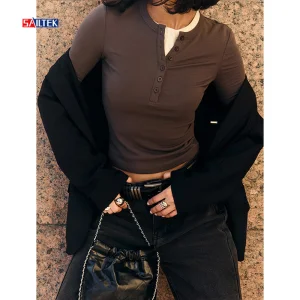
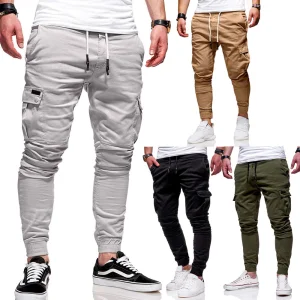
Explore our latest high-performance athletic tees, refined silk-satin corporate wear, and intricate lace-detailed designs engineered for premium global apparel markets.
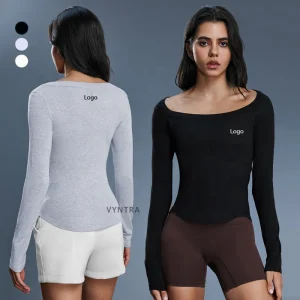
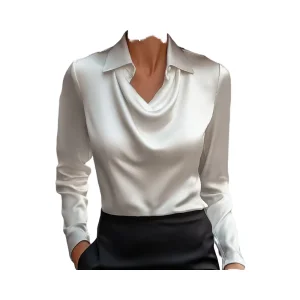
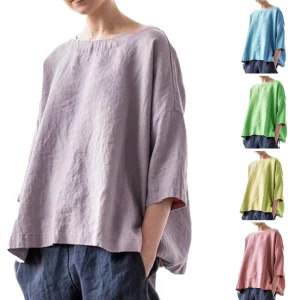
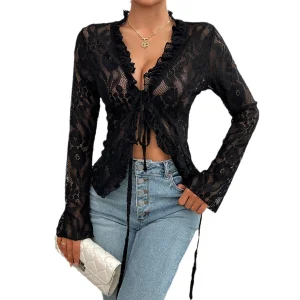
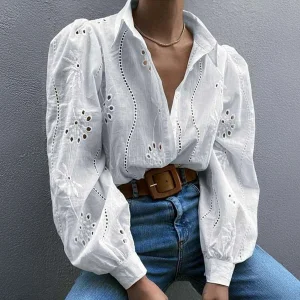
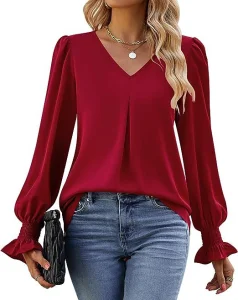
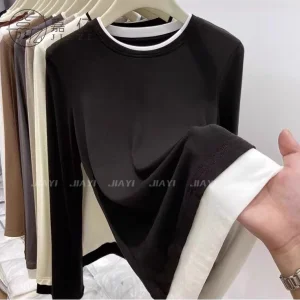
Elite OEM/ODM Global Apparel Partner based in Guangzhou, China
Guangzhou Faber Fashion Co., Ltd. is a professional women’s clothing manufacturer and fashion apparel supplier based in Guangzhou, China. The company specializes in designing, producing, and exporting high-quality women’s garments for global fashion brands, wholesalers, and retailers. With strong OEM and ODM capabilities, Faber Fashion provides full-service solutions from concept development, fabric sourcing, pattern making, sampling, to mass production and global delivery.
Faber Fashion focuses on a wide range of women’s apparel, including dresses, tops, blouses, skirts, trousers, outerwear, and seasonal fashion collections. The company keeps up with international fashion trends and integrates modern design aesthetics with practical wearability, ensuring each collection meets the demands of different markets such as Europe, North America, and the Middle East.
With advanced production facilities and a skilled manufacturing team, Guangzhou Faber Fashion Co., Ltd. maintains strict quality control at every stage of production. From fabric inspection to final garment finishing, every detail is carefully monitored to ensure consistency, durability, and premium craftsmanship.
The company is committed to flexible manufacturing services, supporting both small-batch customization and large-scale wholesale production. Its efficient supply chain system enables fast turnaround times while maintaining competitive pricing for global clients.
By combining innovation, quality, and reliability, Faber Fashion has built long-term partnerships with international fashion buyers. The company continues to expand its global presence as a trusted Women’s Clothing Manufacturer and Fashion Apparel OEM & ODM Factory, dedicated to delivering stylish, high-quality, and market-ready apparel solutions worldwide.
A macroeconomic look at the technological and structural transformations shaping modern apparel production.
The global trade of women's blouses and tops is transitioning from simple low-cost assembly to highly coordinated, technological partnerships. Brands require factories that offer integrated fabric engineering, low minimum order quantities (MOQs) with high-mix flexibility, and robust data protection for intellectual property.
Consumers now expect multi-functional textiles. Everyday blouses must incorporate properties like shape retention, moisture wicking, thermal regulation, and minimal creasing. The rise of Modal blends and premium synthetic weaves (like advanced polyester-cotton matrices) is satisfying this hybrid lifestyle demand.
Just-in-Time (JIT) inventory modeling is replacing traditional bulk overproduction. Factories must utilize digital design pathways (such as 3D CAD modeling and automated layout programs) to reduce sampling turnarounds from weeks to days, directly feeding into digital commerce systems.
Fashion brands operate under intense speed-to-market and regulatory scrutiny. The European Union's focus on digital product passports and EPR (Extended Producer Responsibility) schemes has moved sustainability from a branding point to a regulatory mandate. Consequently, manufacturers must certify chemical safety at all processing steps, verify safe worker conditions, and minimize logistics emissions.
Faber Fashion meets these requirements through structured digital tracing, utilizing optimized raw material pools, and maintaining a cluster-based manufacturing structure in Guangzhou. This localized layout keeps fabric, trim, dye houses, and shipping hubs close together, cutting down carbon footprints and transportation delays.
Detailing the technical steps from design file to global container loading.
Utilizing computerized grading systems to guarantee consistent fit configurations across global sizing charts (EU, US, Asian standard variations).
Deploying controlled pre-shrinking, tensionless fabric relaxation, and dye-lot testing to eliminate post-wash shape and color degradation.
Stitch optimization matching the fabric class: lockstitch configurations for woven blouses, flatlock seams for activewear modal tops, and clean seam sealing.
Full batch inspections evaluating thread tension, button attachment pull strengths, fabric blemishes, and precise sizing tolerance alignments.
Adapting design parameters, textile choices, and fits to distinct regional demographics.
Prioritizes minimal designs, raw textures (linen, organic cotton, structured blends), and certifications (OEKO-TEX, GRS). High demand for relaxed-fit blouses with durable stitching suitable for multi-season capsule wardrobes.
Requires inclusive sizing matrices (Plus Size extensions up to 4XL) and functional wearability. Tops must stand up to regular machine washing and machine drying cycles, with a strong focus on fabric softeners and modal-rayon elasticity.
Focuses on modest styles, meaning longer hemlines, higher collars, and full sleeves. Utilizes lightweight fabrics (heavy chiffon, double georgette, structured satin) to ensure comfort and drape in high-temperature environments.
Transparent insight into our specialized production workshops, modern warehousing, and product design centers.
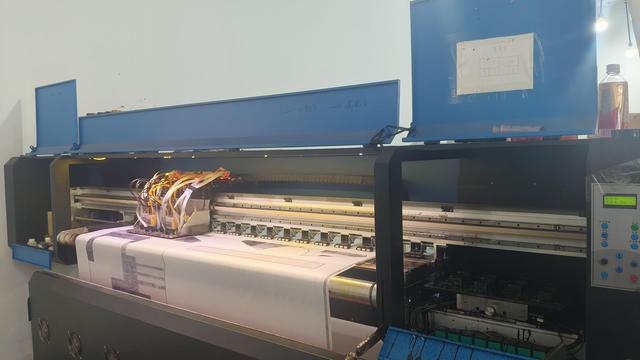
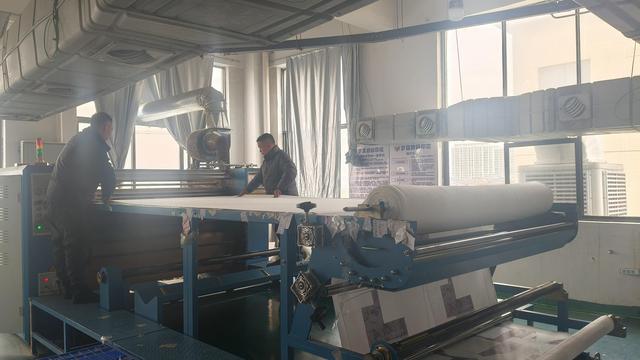
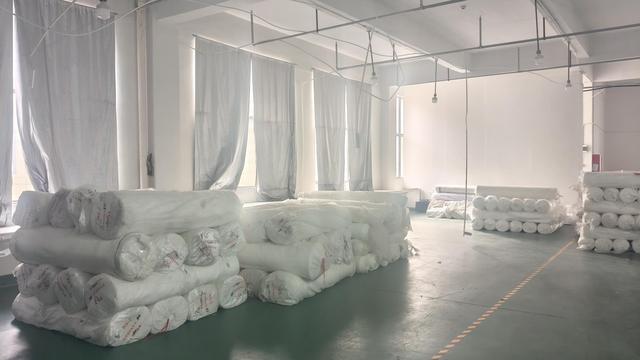
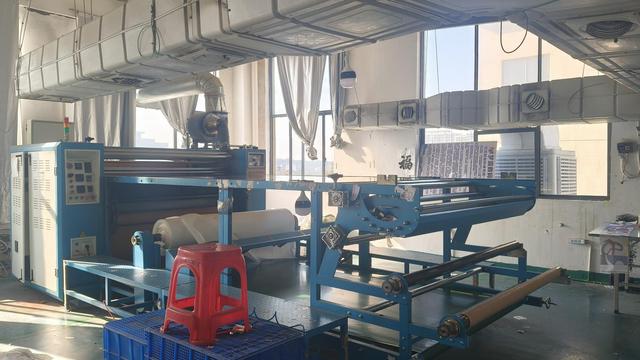
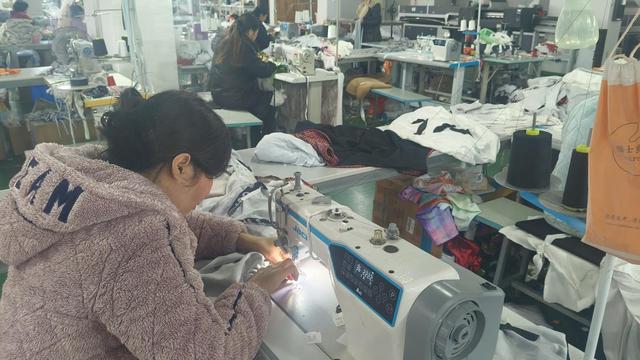
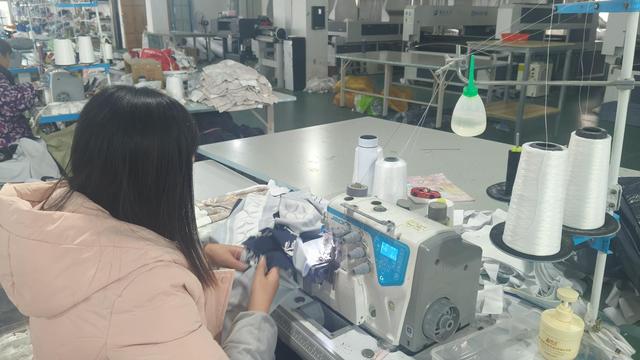
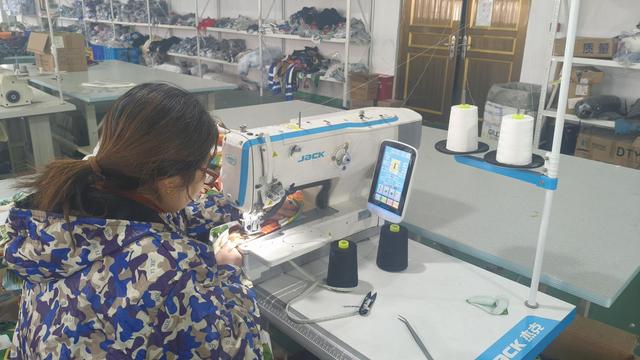
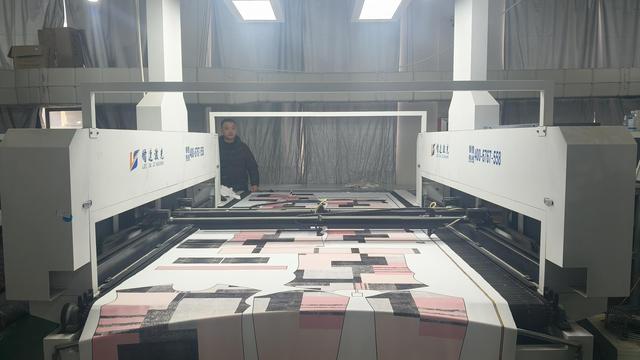
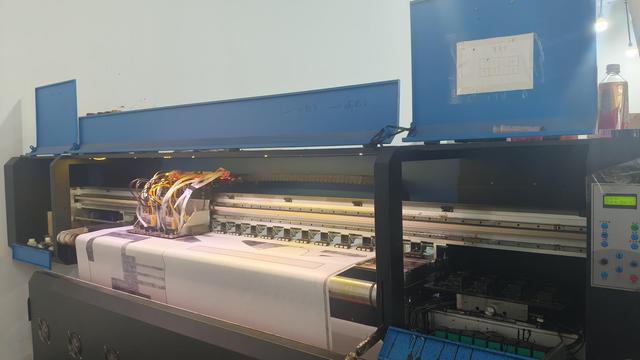
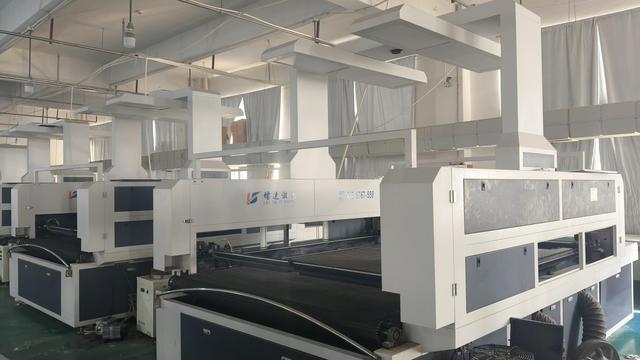
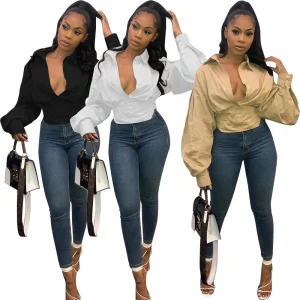
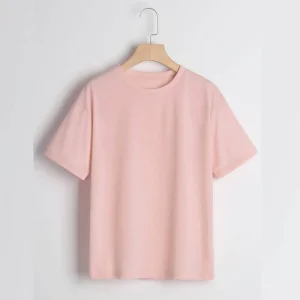
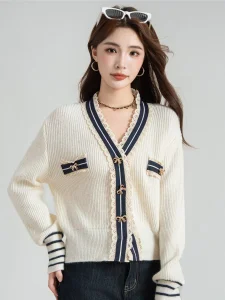
Technical blends, corporate basics, and leisurewear designs built for direct retail distribution.
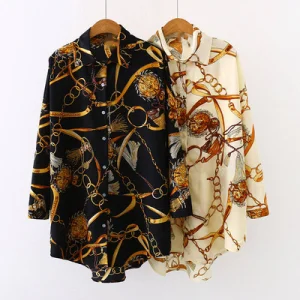
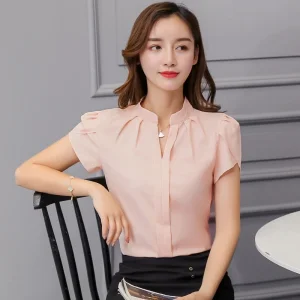
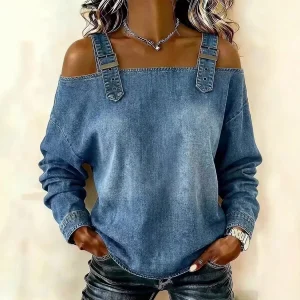
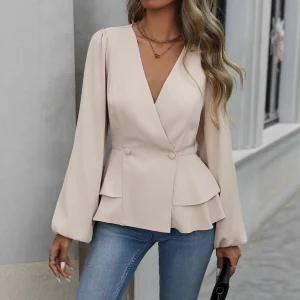
Technical and operational answers to support your global procurement strategies.
Our standard Minimum Order Quantity (MOQ) depends on fabric availability and design complexity. Generally, we support flexible manufacturing limits starting from 100 to 300 units per color/style for custom orders. This helps brands test the market and manage inventory levels without committing to large upfront stock.
We use spectrophotometers to measure color variance against Pantone standards. We also test each dye lot under varied lighting conditions (including D65, TL84, and CWF) to verify color consistency. This ensures that coordinates, lace details, and main body panels match perfectly across different shipments.
We source certified raw materials, including organic cotton (GOTS-certified), recycled polyester (GRS-compliant), Lenzing Modal, and Tencel fibers. We also work with certified dye houses that treat and recycle wastewater, helping brands meet modern environmental expectations.
The sampling process takes 7 to 10 working days once your tech pack details are finalized. Bulk production generally takes 25 to 45 days, depending on fabric availability and production schedules. We also offer expedited lanes for seasonal and fast-track collections.
We work to the internationally recognized AQL 2.5 quality control standards. Our internal quality assurance teams conduct audits at three key stages: raw materials inspection, in-line assembly, and pre-shipment checks. We also coordinate with third-party inspection firms (like SGS, Intertek, or TÜV) according to buyer requirements.
Yes, our CAD systems adapt pattern grading based on your target region. We maintain distinct dimension profiles for North American markets (including regular and plus-size curves), structured European patterns, and modified fits for Middle Eastern and East Asian distributions.
We provide full-service customization. This includes woven main labels, care labels, size indicators, hangtags with barcodes, custom tissue wrapping, polybags, and retail-ready outer cartons. We apply custom branding details during production to simplify your intake process.
Based in Guangzhou, we are located near key maritime ports (Nansha and Huangpu) as well as the Shenzhen shipping corridor. This lets us coordinate sea, air, and rail freight (including China-Europe express links) to offer flexible, cost-efficient logistics routes to destinations worldwide.
 Faber Fashion