Explore our premium engineered garments showcasing high stretch, sustainable construction, and precision cutting techniques directly from Guangzhou Faber Fashion's advanced lines.
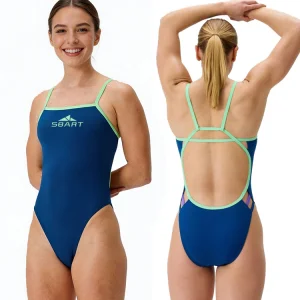
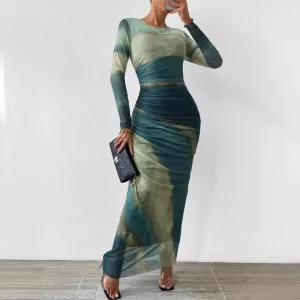
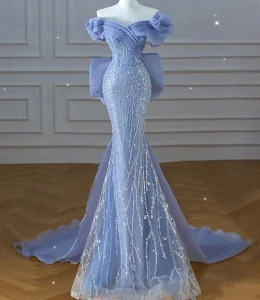
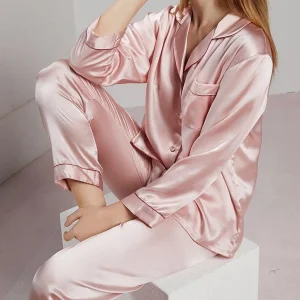
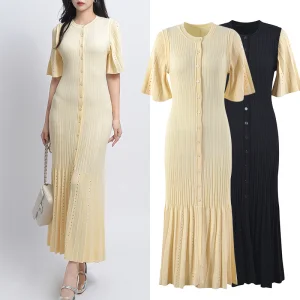
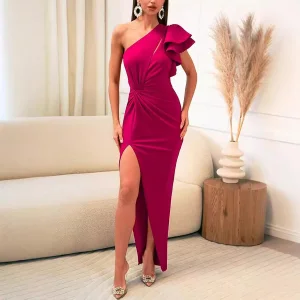
The contemporary global women’s dress manufacturing sector is undergoing an unprecedented restructuring, fueled by digital disruption, fluctuating trade dynamics, and a rapid shift toward localization strategies. Traditionally centered around massive low-cost assembly centers, modern women's dresses factories are transforming into responsive, highly technical hubs capable of deploying advanced materials and adapting to hyper-short fashion cycles.
Currently, the market demands an intricate balance between mass-scale economic production and granular customization. Guangzhou, China, remains the epicenter of this industrial dynamic, integrating massive upstream raw material markets (such as the world-renowned Zhongda fabric market) with highly efficient transport corridors and highly specialized sewing labor forces. While raw-material bases expand globally, factories that manage the entirety of the supply chain—from fabric validation through bespoke finishing—wield the highest degree of market resilience.
Moreover, the rise of the digital-first brand ecosystem has forced factories to transition from rigid, high-MOQ (Minimum Order Quantity) configurations to highly modular, iterative workflows. The modern factory is no longer just a contract assembler; it is an active logistical partner capable of predictive fabric procurement and localized inventory buffers to mitigate supply chain shockwaves across North America, Europe, and Asia-Pacific markets.
Guangzhou Faber Fashion Co., Ltd. is a professional women’s clothing manufacturer and fashion apparel supplier based in Guangzhou, China. The company specializes in designing, producing, and exporting high-quality women’s garments for global fashion brands, wholesalers, and retailers. With strong OEM and ODM capabilities, Faber Fashion provides full-service solutions from concept development, fabric sourcing, pattern making, sampling, to mass production and global delivery.
Faber Fashion focuses on a wide range of women’s apparel, including dresses, tops, blouses, skirts, trousers, outerwear, and seasonal fashion collections. The company keeps up with international fashion trends and integrates modern design aesthetics with practical wearability, ensuring each collection meets the demands of different markets such as Europe, North America, and the Middle East.
With advanced production facilities and a skilled manufacturing team, Guangzhou Faber Fashion Co., Ltd. maintains strict quality control at every stage of production. From fabric inspection to final garment finishing, every detail is carefully monitored to ensure consistency, durability, and premium craftsmanship.
The company is committed to flexible manufacturing services, supporting both small-batch customization and large-scale wholesale production. Its efficient supply chain system enables fast turnaround times while maintaining competitive pricing for global clients.
By combining innovation, quality, and reliability, Faber Fashion has built long-term partnerships with international fashion buyers. The company continues to expand its global presence as a trusted Women’s Clothing Manufacturer and Fashion Apparel OEM & ODM Factory, dedicated to delivering stylish, high-quality, and market-ready apparel solutions worldwide.
Inline Pass Rate
Average Lead Time
Monthly Output (Pcs)
Traceable Fabric Sourcing
Navigating the complex pathways of brand scaling requires a deep understanding of manufacturing frameworks. Guangzhou Faber Fashion provides comprehensive models for both operations, ensuring brand alignment with market dynamics.
| Production Criteria | Original Equipment Manufacturer (OEM) | Original Design Manufacturer (ODM) | Faber Hybrid Solution |
|---|---|---|---|
| Design Ownership | Client provides tech packs, grading criteria, and exact patterns. | Factory develops internal styles, trends, and seasonal capsules. | Co-development option leveraging Faber's design archive. | Fabric & Trim Sourcing | Pre-selected by client or matched against strict tech-pack swatches. | Factory provides sustainable, eco-friendly fabric recommendations. | Direct access to local premium mills with customized dye lots. |
| Prototyping Cycle | 7 to 10 Days based on schematic clarity. | 5 to 7 Days leveraging digital CAD database patterns. | Accelerated 3D fit matching reducing physical waste. |
| Target Segments | Established high-volume retail chains, corporate brands. | Independent luxury boutiques, fast-growth DTC startups. | Scalable volumes from capsule lines to multi-ton shipments. |
Visualizing our standard-setting manufacturing environment. Clean rooms, systematic layout, and specialized machinery driving consistent stitching and pattern execution.
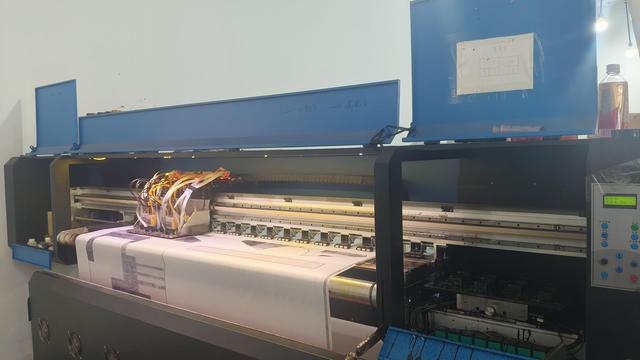
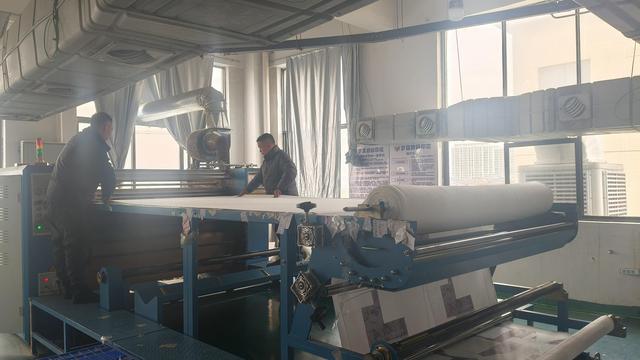
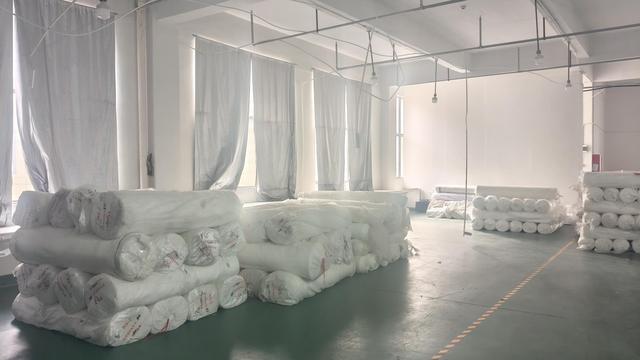
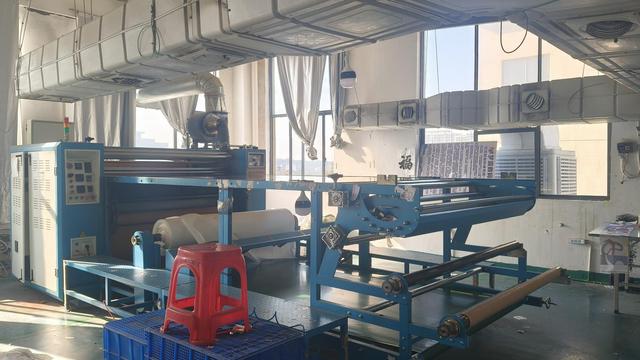
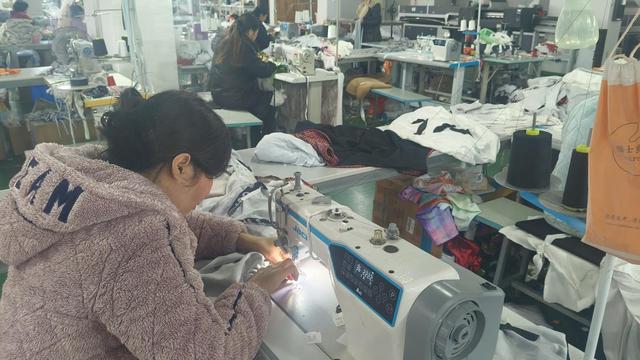
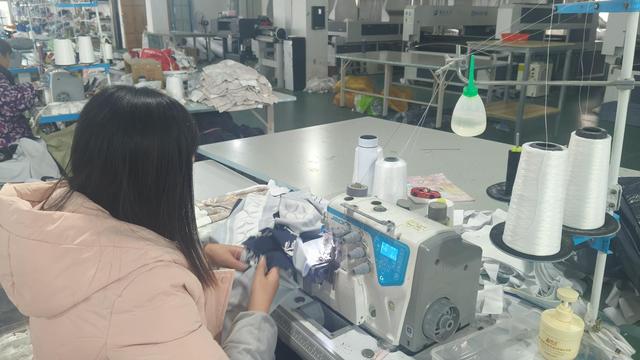
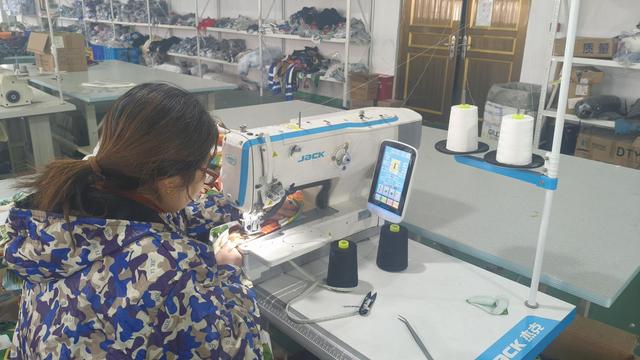
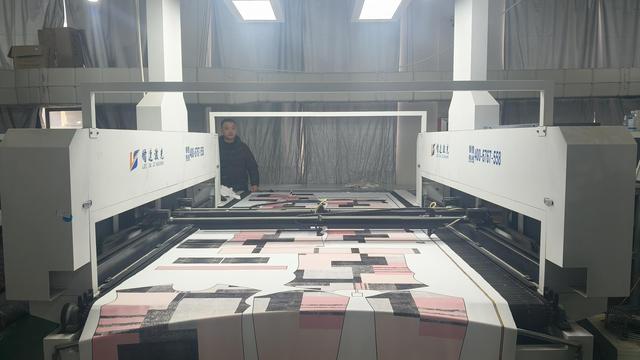
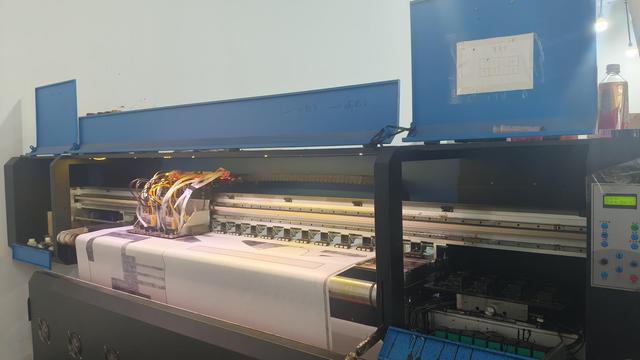
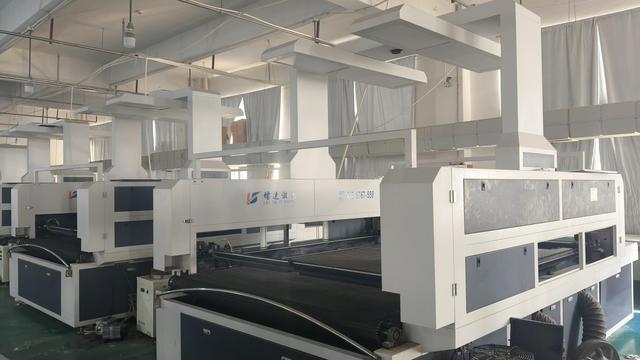
The transformation of modern dress manufacturing facilities is heavily anchored in Industry 4.0 paradigms. Leading factories are abandoning paper patterns and manual dye calculation to prevent waste and reduce processing time. Faber Fashion incorporates dynamic CAD structures and laser positioning projection systems to guarantee pattern alignment across complex geometric profiles, such as asymmetrical slits, fishtails, and draped necklines.
Moreover, AI-driven optical systems inspect fabrics at the pre-cutting stage. These cameras project light through incoming rolls, matching weave anomalies against a dynamic threshold library. If an anomaly exceeds 1.5mm, the marker software realigns the pattern to bypass the imperfection, reducing waste while guaranteeing that only pristine fabric is processed. In assembly, smart modular production lines balance sewing velocity across units, preventing bottlenecks at complex processes like ruffle setting or hand-beading.
Different international regions pose distinct challenges for a women's dresses factory. Meeting regulatory standards is essential for commercial viability across global borders.
Focuses on precise sizing standards, including plus-size grading and wash-resistant active-knit constructions. Import regulations demand flammability testing compliance under FTC standards and clear country-of-origin documentation.
Highly focused on environmental impact. Materials must comply with REACH chemical regulations, Oeko-Tex certification for non-hazardous dyes, and circular economy requirements, including high durability and recyclability.
Demands luxurious fabrics (e.g., silk, high-grammage chiffon) and specialized modest cuts. High-temperature resistance, custom bead applications, and intricate lace panels require artisanal sewing skills mixed with systematic quality control.
Sustainability has transitioned from a marketing asset to a baseline requirement. Modern dress factories must design systems that actively minimize water pollution, excessive cut-waste, and energy consumption. Through the implementation of zero-waste software algorithms, Faber Fashion optimizes marker layout placement, achieving up to 92% yield efficiency per raw-fabric bolt.
We work closely with certified suppliers providing organic cotton, linen, recycled polyester (rPET), and forest-safe viscose (such as Tencel™). Our processing facilities feature energy-efficient machinery that reduces carbon footprints during high-temperature steam pressing. Additionally, our finishing methods use closed-loop water filtration systems that extract and neutralize synthetic dye residues before discharging effluent, meeting local and international ecological standards.
To secure consistent global exports, a factory must operate under strict, multi-stage quality gates. The Faber Fashion QC framework covers raw input testing through final container loading, preventing downstream returns.
| Inspection Phase | Technical Parameters Tested | Quality Standards Target | Corrective Action Threshold |
|---|---|---|---|
| Pre-Production Inspection (PPI) | Fabric tensile strength, shade banding under D65 light, shrink testing. | Under 2% dimensional shrinkage after industrial wash cycles. | Batch rejected if color deviation exceeds ΔE > 1.0. |
| During-Production (DUPRO) | Stitch density (SPI), seam elasticity, alignment of pattern seams. | 10-12 stitches per inch (SPI) consistently across all seams. | Machine recalibration if needle puckering is detected on >1% of units. |
| Final Random Inspection (FRI) | AQL 2.5/4.0 limits, label correctness, loose threads, packaging moisture. | Zero critical defects; major defects under 2.5%. | Full lot quarantine and re-sort if major defects exceed the set AQL. |
The next decade of dress manufacturing will be defined by automated sewing, robotic fabric handling, and blockchain-based supply chain transparency. Fabrics are notoriously difficult to automate due to their pliable, soft nature. However, advanced computerized feeding systems are enabling automated hemming, zipper setting, and sleeve attachments.
In parallel, the adoption of Digital Product Passports (DPPs) in the EU and North America will require factories to provide detailed histories for every garment. Faber Fashion is preparing for this shift by mapping sourcing paths for yarn, dye chemicals, and transport miles. This integration of tech-driven tracing ensures our clients remain fully compliant with global compliance policies.
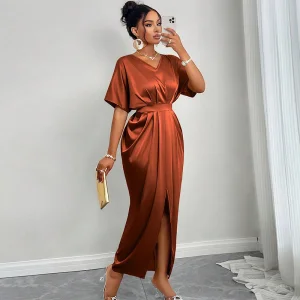
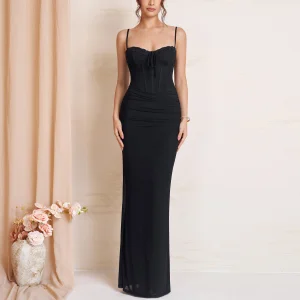
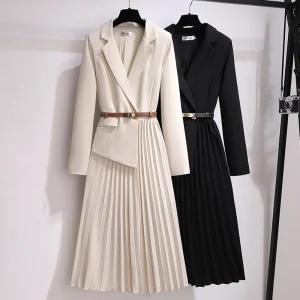
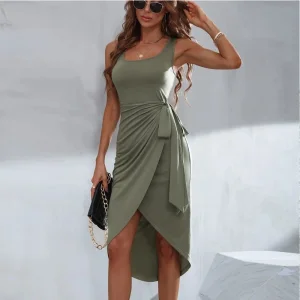
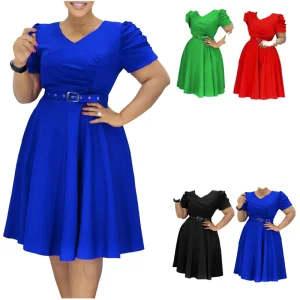
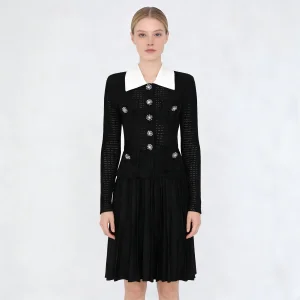
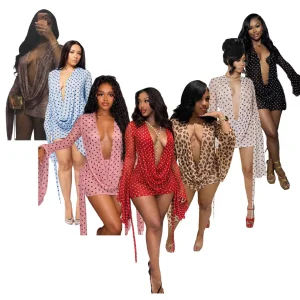
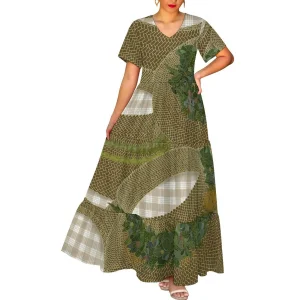
Browse our specialized product line. Select items below to explore technical details, material compositions, and customizable options for your brand's requirements.
 Faber Fashion