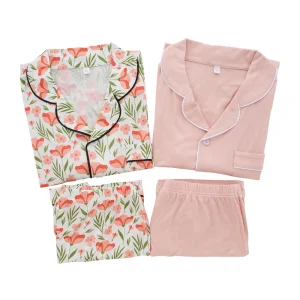
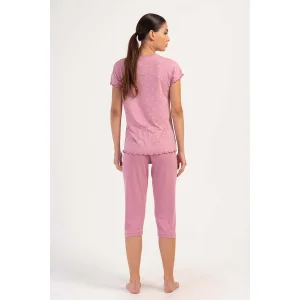
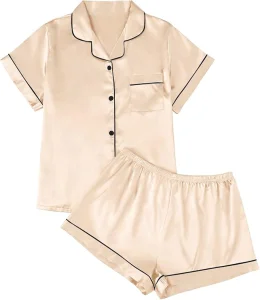
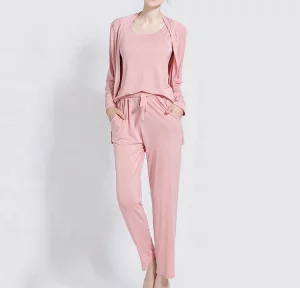
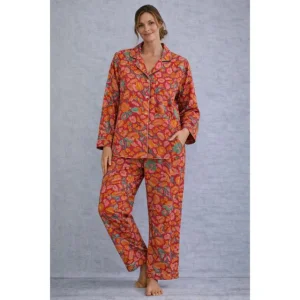
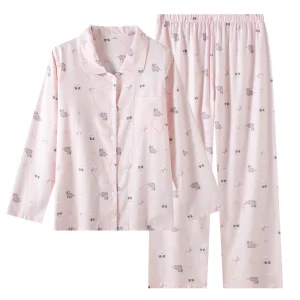
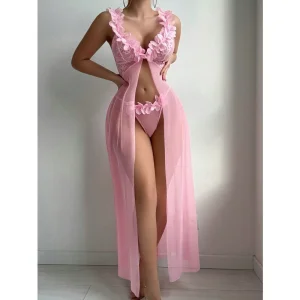
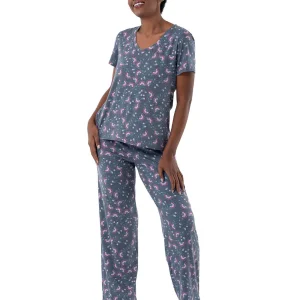
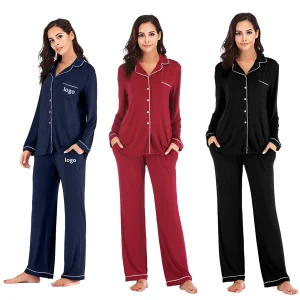
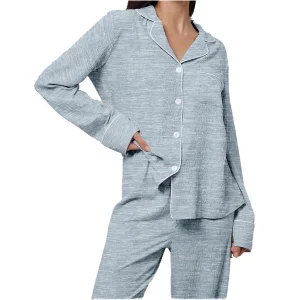
Exquisite comfort engineered with heat-regulating fabrics tailored for Pacific tropical regions. Explore our primary curated collection.
The retail landscape in the Republic of Kiribati—comprising the Gilbert, Line, and Phoenix Islands—presents unique logistical and ecological requirements for consumer apparel. Given Kiribati's equatorial marine climate, where relative humidity levels consistently range between 75% and 90% and daily temperatures average 28°C to 32°C, standard garment import lines fail to meet local performance criteria. The local economy relies heavily on durable, breathability-optimized resort apparel and consumer sleepwear.
Local boutique storeowners in South Tarawa (from Betio to Bairiki) and hospitality procurers in Kiritimati (Christmas Island) require supply chain partners capable of delivering products that resist tropical humidity deterioration. Fungi-resistant fabrics, salt-air tolerance, and anti-friction seam geometries are crucial. Guangzhou Faber Fashion Co., Ltd. fills this gap by delivering specialized sleepwear ranges manufactured with highly breathable organic substrates (bamboo-derived viscose and modal/cotton blends) that directly address these Pacific environmental factors.
By working with an agile OEM manufacturer, Kiribati distributors mitigate risks associated with long transit times. Our customized supply chain solutions ensure bulk items undergo pre-shipment vacuum packaging to protect the fabrics from saline moisture degradation during sea freight transits across the South Pacific.
Designing sleepwear that seamlessly transitions from private home relaxation to high-end resort lounging under equatorial conditions.
High-humidity environments like Kiritimati's lagoons demand robes and sleepwear with rapid moisture-dispersion qualities. Our modal-cotton blends offer unmatched breathability, perfect for luxury eco-lodges hosting global fishing and surfing travelers.
Sizing parameters in the Kiribati consumer market lean significantly toward plus-size selections (2XL to 5XL). Our customized sizing blueprints ensure loose-fit structures, wider chest measurements, and drop-shoulder dynamics to match local comfort requirements.
Continuous marine humidity invites mold growth on storage shelves. We apply advanced botanical anti-fungal treatments during the finishing process, ensuring our silk and bamboo fibers resist odors and mildew during shipping and storage.
Tailor-made for light-to-warm nights. Engineered with rapid-dry weaving techniques suitable for the Gilbert Group climate.
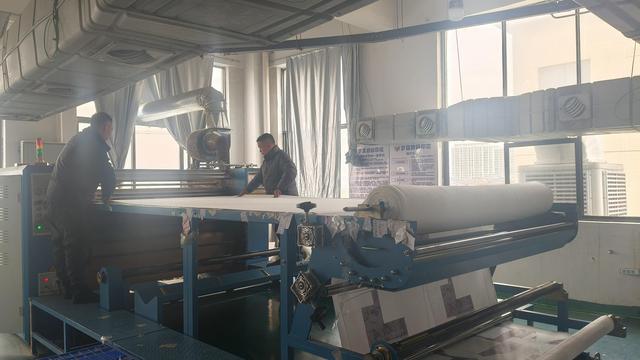
Our commitment to textile excellence involves continuous innovation in fiber compositions and finishing technologies. For hot and maritime regions like Kiribati, we focus on maximizing fabric breathability and tensile durability.
Capillary Moisture Management: By integrating double-knit capillary pathways inside our bamboo and cotton-spandex yarns, perspiration is instantly directed away from the skin toward the outer surface of the fabric. This process lowers skin temperature by up to 1.5°C compared to conventional synthetics.
Eco-Friendly Color Fastness: Using non-toxic active reactive dyes, our fabrics achieve a color fastness rating of Grade 4.5. This prevents color bleeding caused by sweat and repeated washing in hard water, which is common in island communities.
Salt-Air Stitching Technology: Salt-laden air accelerates thread deterioration. To combat this, we use core-spun polyester-cotton sewing threads treated with a water-repellent coating. This prevents salt crystals from weakening the seams, extending the garment's lifecycle.
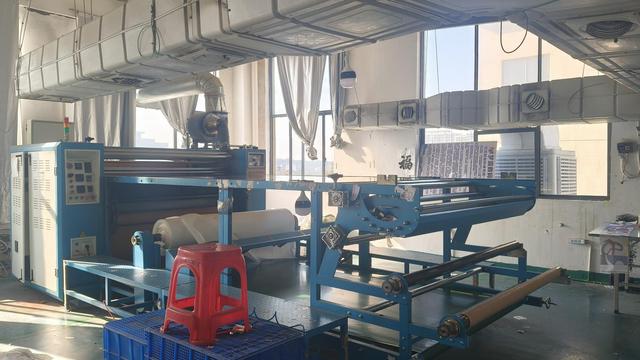
Guangzhou Faber Fashion Co., Ltd. operates a high-capacity manufacturing center in Guangzhou, the apparel hub of southern China. Our location gives us direct access to advanced fabric markets, specialized wet processing units, and high-efficiency shipping terminals. This enables us to provide comprehensive OEM and ODM solutions to global partners.
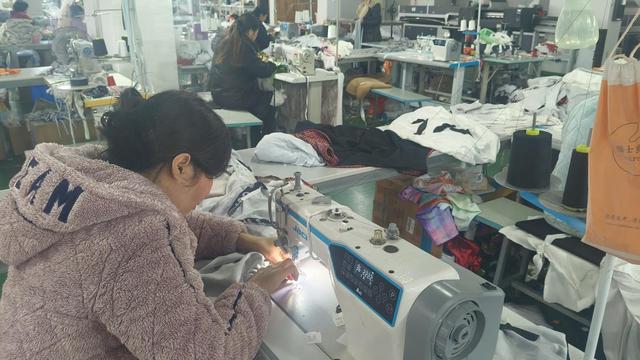
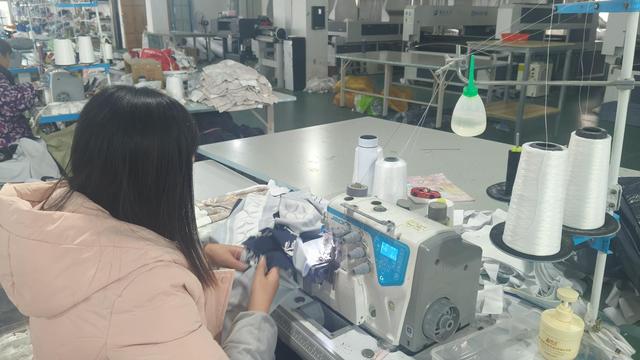
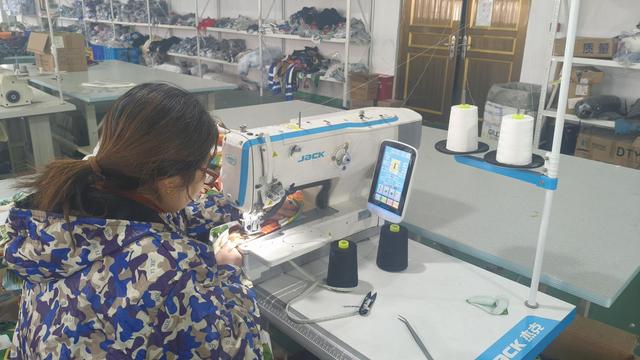
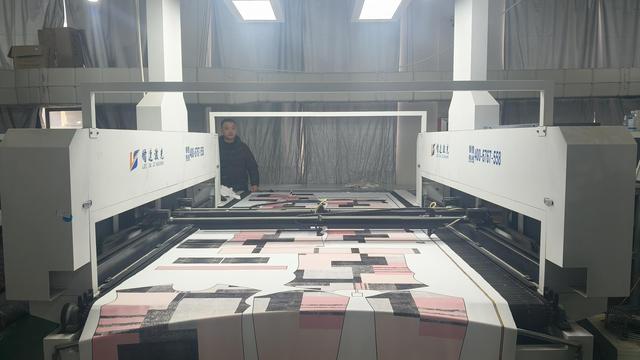
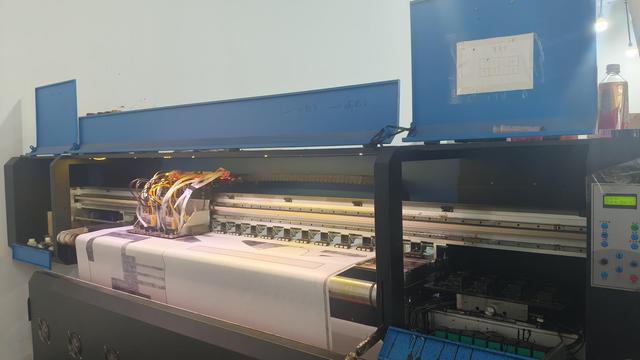
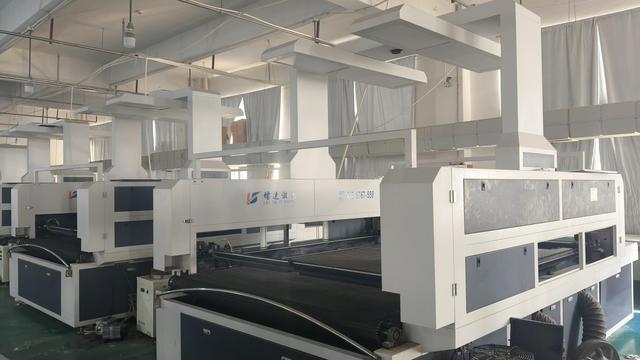
We manage the entire production process in-house, from raw fiber validation and CAD pattern generation to bulk cutting, computerized embroidery, quality checks, and shipping arrangements. Our automated hanging production system ensures consistent assembly quality and keeps lead times under 25 days for custom repeat orders.
Our agile manufacturing model supports both small-batch capsule collections for local boutiques and large production runs for international distributors. Each batch undergoes strict visual and structural inspections, ensuring zero defects and making us a reliable partner for South Pacific retailers.
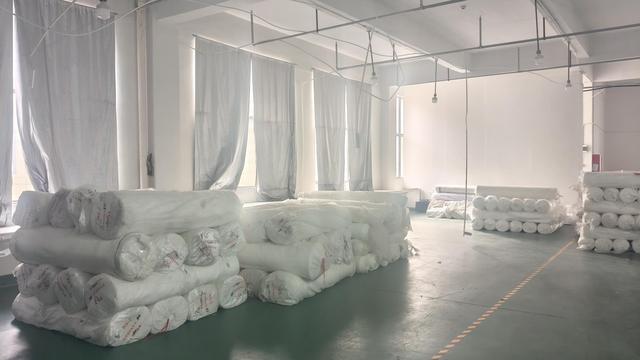
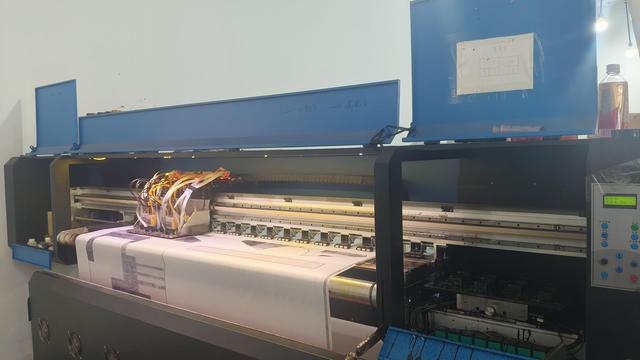
Step inside our facilities where strict quality standards and advanced technology come together to create premium apparel.
Shipping cargo to isolated ocean environments requires planning for maritime weather risks and extended schedules. Faber Fashion uses optimized sea routes from Nansha or Shenzhen ports to Betio Port in South Tarawa, as well as air freight routes via Fiji or Brisbane for time-sensitive resort deliveries.
To simplify importing into Kiribati, we prepare and organize all required customs documents. We provide complete commercial invoices, packing lists with detailed HS codes, and certificates of origin to facilitate smooth clearance.
We also offer eco-friendly packaging options. Using biodegradable outer covers and compressed space-saving bundles helps lower total ocean freight costs while protecting your shipment from salt and moisture during transit.
Common inquiries from Kiribati importers, boutique owners, and hospitality clients.
Discover our comprehensive range of high-quality sleepwear, designed for ultimate comfort and durability.
 Faber Fashion