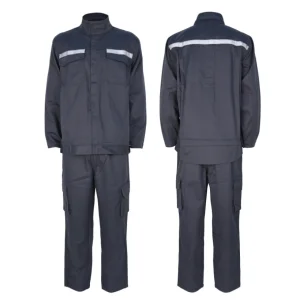
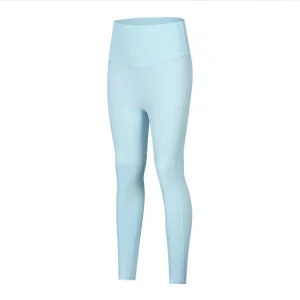
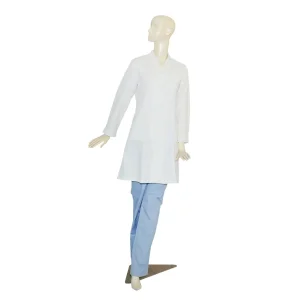
Engineered for extreme performance and exact fit. View our top products optimized for industrial and commercial sectors in Australia.
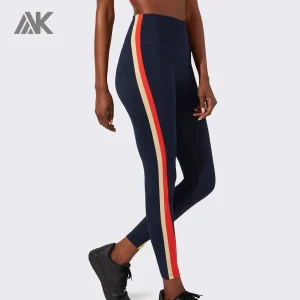
An authoritative analysis of standard sizing discrepancies, regulatory compliances, and supply chain strategies in the Australia-Pacific apparel sector.
In the contemporary Australian apparel market, traditional sizing models frequently fail a substantial demographic. The average height of Australian adults has risen gradually over the past three decades. Consequently, standard fashion blocks (based on East Asian or European medium height patterns) fail to accommodate the longer inseams, broader frames, and elongated torsos typical of tall individuals.
For corporate wear, high-intensity industrial safety workwear (PPE), and performance athleisure, standard sizing modifications (simply sizing up from L to XXL) result in excessively wide garments that do not fit long limbs properly. This introduces safety hazards in work environments where loose fabric can catch on heavy machinery, and compromises the performance and muscle-recovery properties of compression sportswear.
Understanding the distinction between tall sizing and standard sizing is crucial for professional apparel procurement. While global apparel standards often rely on universal grading tables, Australia has specific physical demands and styling preferences. For instance, Australian tall workwear requires precise crotch-to-ankle grading, specialized drop values, and ergonomic sleeve articulation points to support typical active outdoor lifestyles.
In contrast to European tall cuts, which are often slimmer, the Australian tall demographic requires a robust fit that balances athletic proportions with functional movement space. Standard tall patterns must feature:
Our specialized manufacturing solutions address specific industries across the continent:
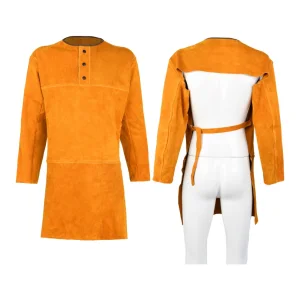
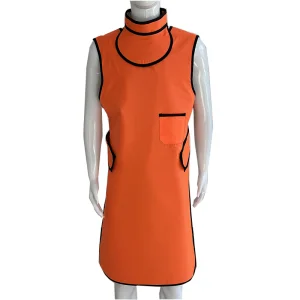
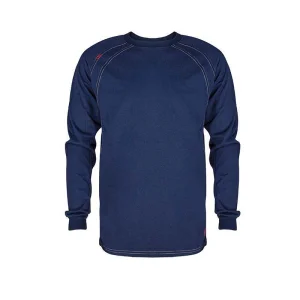
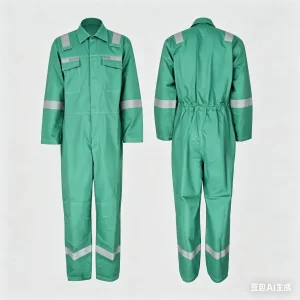
Faber Fashion utilizes premium textile technologies to address the unique climate challenges of Australia. The hot, dry climate of the outback and the humid conditions of Queensland require breathable, durable, and lightweight fabrics. Our protective wear incorporates fire-retardant (FR) treated cotton blends, heavy-duty anti-static weaves, and flexible leather panels for welding tasks.
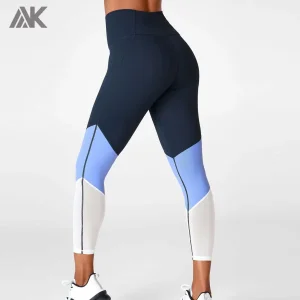
For consumer collections, we utilize high-density Supplex nylon and Lycra blends that retain shape and color under intense Australian UV radiation. By combining these advanced fabrics with specialized patterns, we help buyers minimize returns due to poor fit, while enhancing customer loyalty.
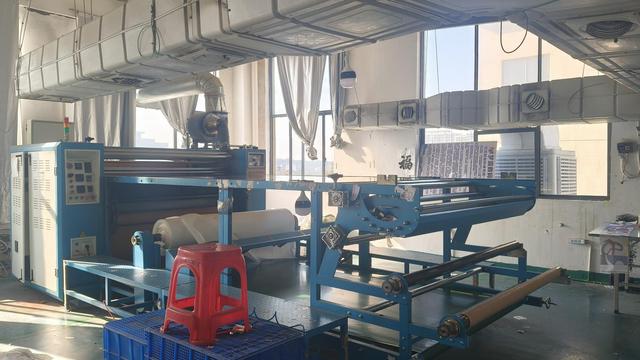
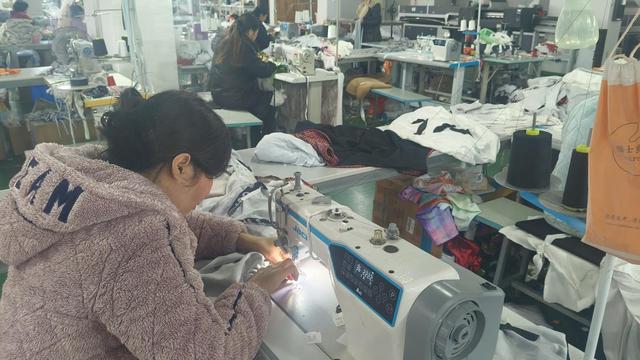
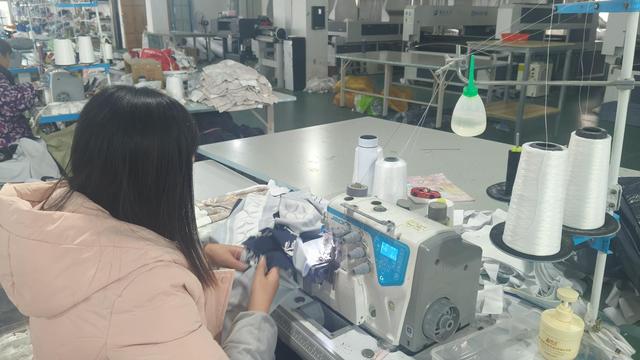
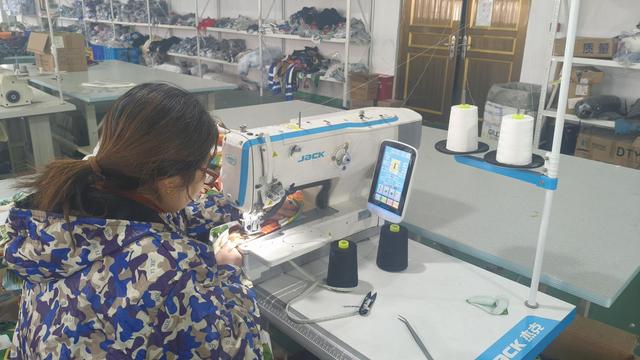
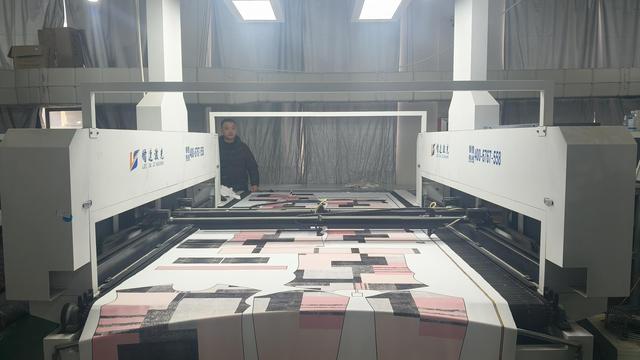
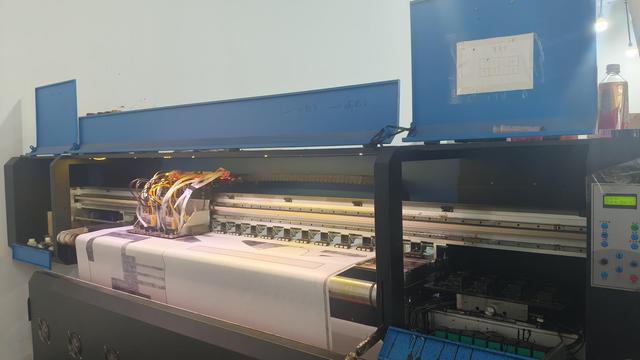
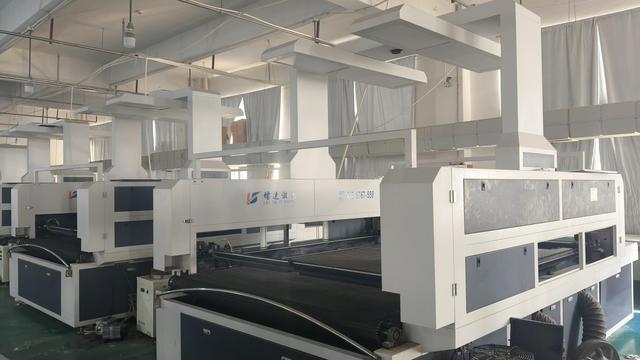
Our production facilities utilize modern manufacturing processes to ensure sizing accuracy and structural integrity:
Guangzhou Faber Fashion Co., Ltd. is a professional women’s clothing manufacturer and fashion apparel supplier based in Guangzhou, China. The company specializes in designing, producing, and exporting high-quality women’s garments for global fashion brands, wholesalers, and retailers. With strong OEM and ODM capabilities, Faber Fashion provides full-service solutions from concept development, fabric sourcing, pattern making, sampling, to mass production and global delivery.
Faber Fashion focuses on a wide range of women’s apparel, including dresses, tops, blouses, skirts, trousers, outerwear, and seasonal fashion collections. The company keeps up with international fashion trends and integrates modern design aesthetics with practical wearability, ensuring each collection meets the demands of different markets such as Europe, North America, and the Middle East.
With advanced production facilities and a skilled manufacturing team, Guangzhou Faber Fashion Co., Ltd. maintains strict quality control at every stage of production. From fabric inspection to final garment finishing, every detail is carefully monitored to ensure consistency, durability, and premium craftsmanship.
The company is committed to flexible manufacturing services, supporting both small-batch customization and large-scale wholesale production. Its efficient supply chain system enables fast turnaround times while maintaining competitive pricing for global clients.
By combining innovation, quality, and reliability, Faber Fashion has built long-term partnerships with international fashion buyers. The company continues to expand its global presence as a trusted Women’s Clothing Manufacturer and Fashion Apparel OEM & ODM Factory, dedicated to delivering stylish, high-quality, and market-ready apparel solutions worldwide.
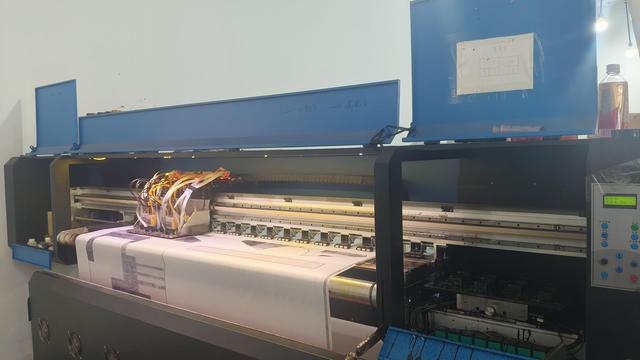
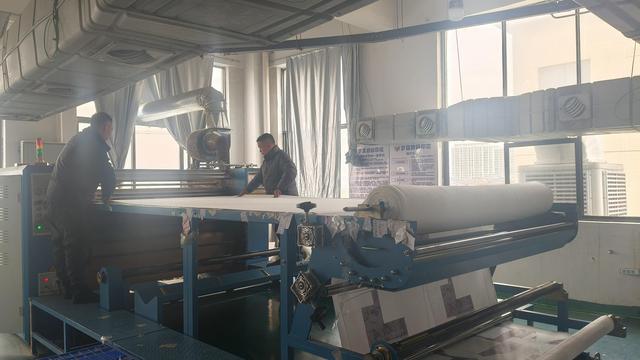
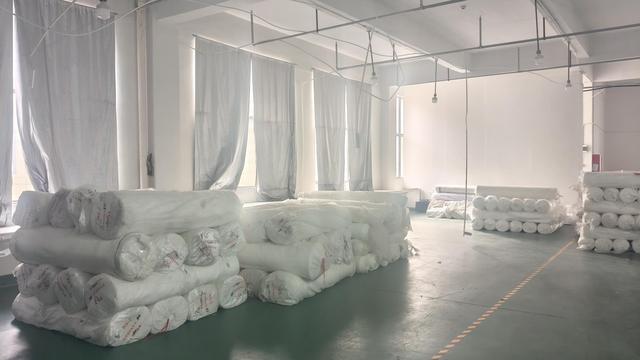
Essential insights for Australian procurement, logistics, customization, and quality standards.
From protective equipment to performance leisurewear, select any product to review detailed sizing tables, fabric parameters, and batch quotation terms.
 Faber Fashion