 Faber Fashion
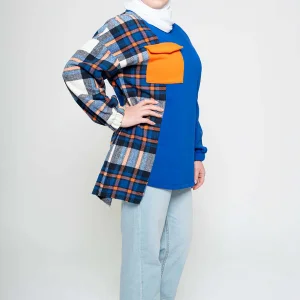
Pre-curated transitional & activewear apparel engineered for immediate European distribution
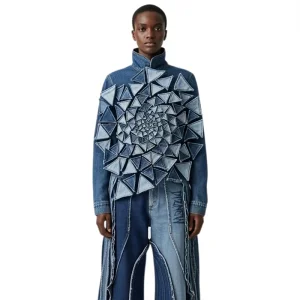
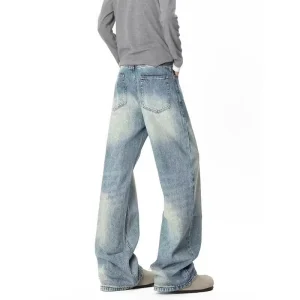
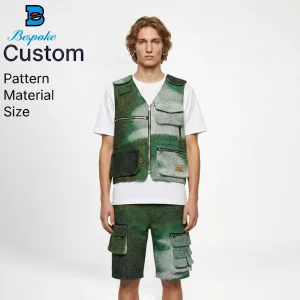
An in-depth analysis of trade dynamics, local weather compliance, and supply demands in Germany’s logistics heartland
As the primary gateway for international trade in Northern Europe, the metropolitan region of Hamburg holds a uniquely strategic position within the global textile and fashion industry. Hamburg is not only Germany’s second-largest city but also serves as the chief importing hub for the wider DACH region (Germany, Austria, Switzerland) and Eastern European retail networks. B2B fashion procurement managers operating in this market face distinct environmental and socio-economic dynamics. Designing, importing, and distributing seasonal fashion lines (Spring, Summer, Fall, and Winter) requires precision, deep compliance understanding, and absolute agility in product lifestyle forecasting.
Unlike southern European microclimates, Northern Germany experiences a maritime climate defined by sudden wind changes, coastal rains, and moderate, transitional seasons. Consequently, the demand for seasonal transitions is unusually prolonged. B2B apparel buyers in Hamburg must source garments that balance functionality (breathability, wind resistance, quick-dry technology) with contemporary styling. This climate footprint has created a major market segment for "layering systems" that bridge the seasonal divides between Spring/Summer and Fall/Winter, making adaptable textiles (such as anti-pilling, heavyweight blends, and breathable quick-dry knits) highly sought after by local retail buyers.
For B2B buyers sourcing from manufacturing hubs in East Asia, supply chain reliability is paramount. Congestion at major global maritime terminals means fashion companies require responsive supply partners that provide clear tracking, flexible freight options (air cargo, rail freight via the New Silk Road, and direct ocean lines to Hamburg Port), and fast manufacturing turnaround. Understanding local customs structures and ensuring direct custom clearance at Hamburg's port is critical to avoiding retail stockouts during rapid seasonal changeovers.
Engineered textiles and construction profiles designed to meet European market expectations
Primary Focus: Modular Outerwear & Light Knits.
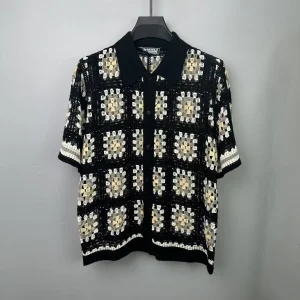
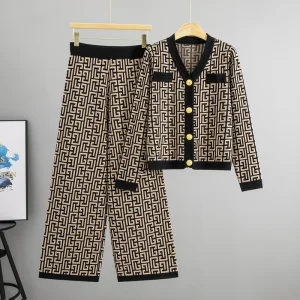
As Hamburg transitions from frost to rain, spring lines require light jacquard pullovers, lightweight denim layers, and moisture-wicking organic cotton ensembles. Breathable cardigans with quick recovery and anti-wrinkle properties are ideal for urban commuting.
Primary Focus: Breathability, Chiffon, Mesh & Activewear.
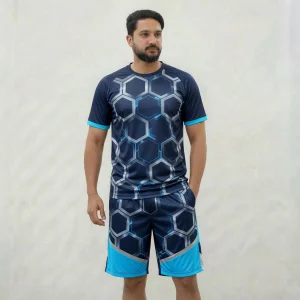
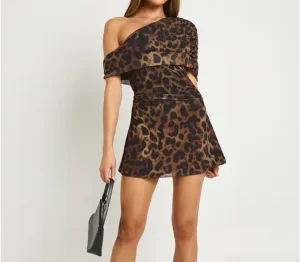
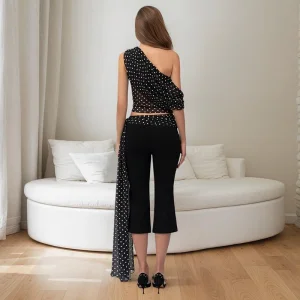
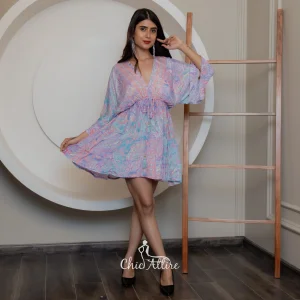
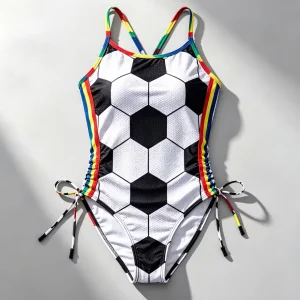
Summer in Hamburg demands lightweight mesh sets, asymmetric leisure dresses, and premium beachwear. Fabrics must prioritize high elastic retention, UV-protection qualities, and high breathability to withstand sudden temperature spikes.
Primary Focus: Heavy Tapestry, Fleece, & Quilted Insulation.
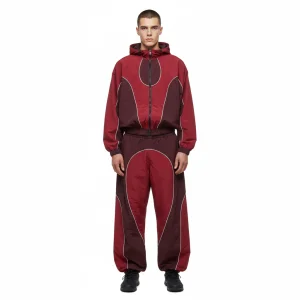
Conquering Northern Germany’s heavy rains and cold winds demands heavy-duty streetwear, quilted Kantha patchwork jackets, and reflective windbreakers. Materials are treated with durable water-repellent (DWR) coatings and anti-pilling technologies.
Advanced structural weaves and material compositions designed for seasonal durability
Ensuring frictionless importing through verification, eco-credentials, and ethical production practices
B2B buyers operating in Germany must comply with the Lieferkettensorgfaltspflichtengesetz. Our manufacturing workflows are fully transparent, providing clear tracings of raw materials from yarn sourcing through to finalized garments.
Every batch of dye, screen print, and chemical treatment is validated to be completely free of harmful substances (AZO dyes, heavy metals, formaldehyde), fully meeting European consumer safety expectations.
Our material pipeline supports certified organic cotton (GOTS) and OEKO-TEX Standard 100 textiles, which helps retailers stand out in Germany's eco-conscious consumer market.
We deploy strict, in-line QA methodologies at every phase of the garment construction loop. From pre-shrinkage fabric evaluation to critical tensile testing for seams, each product run is audited against AQL 1.5/2.5 parameters before shipping. This drastically reduces returns, keeping defect rates well below the standard metrics accepted in Western European distribution channels.
Partner with a validated OEM & ODM fashion factory built for high-agility, EU-compliant bulk supply. Request tailored quotes, material analysis, and shipping schedules to Hamburg.
Send Inquiry NowBuilding high-speed, data-driven pathways from initial concept to Hamburg retail shelves
The global clothing supply chain is changing, shifting toward near-instant trend integration and minimal waste strategies. B2B buyers can no longer afford the typical 9-month development loop. To meet these challenges, we use computerized 3D apparel pattern simulations that allow buyers to assess drape, fit, and pattern layouts virtually before initiating physically mock-up sampling. This cuts product development time down by up to 60%, allowing Hamburg-based brands to capitalize on quick-moving street style trends while keeping carbon footprints low.
In step with Germany’s shift toward a circular economy, we are expanding our research into mono-material clothing constructs (such as 100% organic cotton or recycled polyester) that are much simpler for end-consumers to recycle. Additionally, our factories use water-saving dye machinery and solar-assisted manufacturing lines to minimize footprint markers, allowing B2B buyers to verify clean manufacturing standards to modern retail shoppers.
B2B OEM & ODM manufacturing services engineered for the global clothing industry
Guangzhou Faber Fashion Co., Ltd. is a professional women’s clothing manufacturer and fashion apparel supplier based in Guangzhou, China. The company specializes in designing, producing, and exporting high-quality women’s garments for global fashion brands, wholesalers, and retailers. With strong OEM and ODM capabilities, Faber Fashion provides full-service solutions from concept development, fabric sourcing, pattern making, sampling, to mass production and global delivery.
Faber Fashion focuses on a wide range of women’s apparel, including dresses, tops, blouses, skirts, trousers, outerwear, and seasonal fashion collections. The company keeps up with international fashion trends and integrates modern design aesthetics with practical wearability, ensuring each collection meets the demands of different markets such as Europe, North America, and the Middle East.
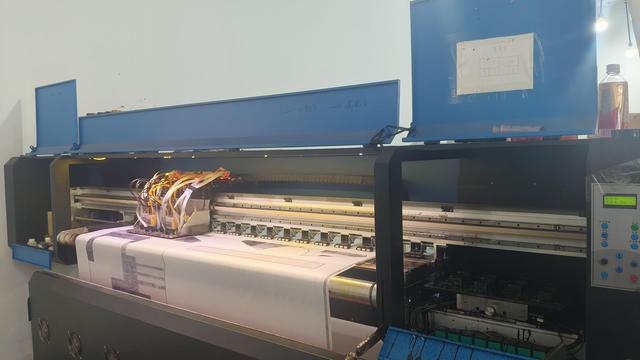
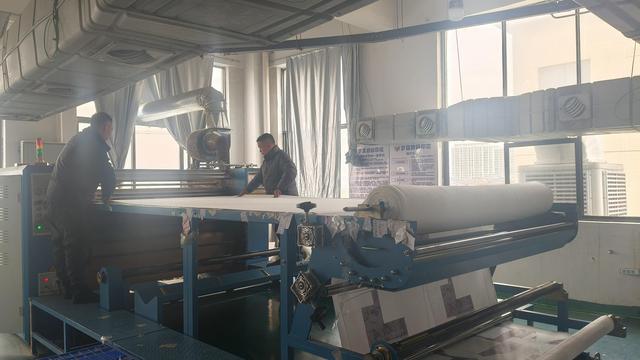
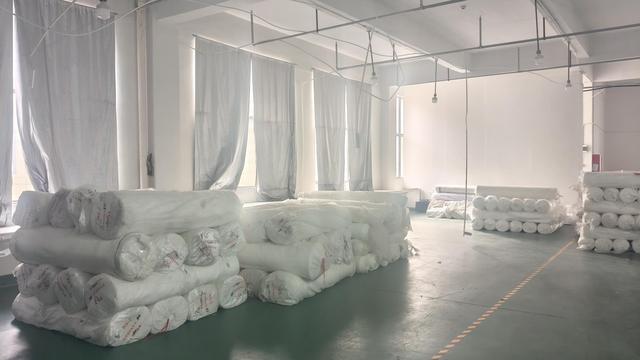
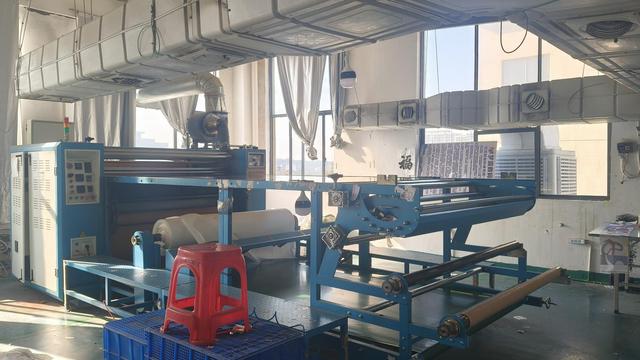
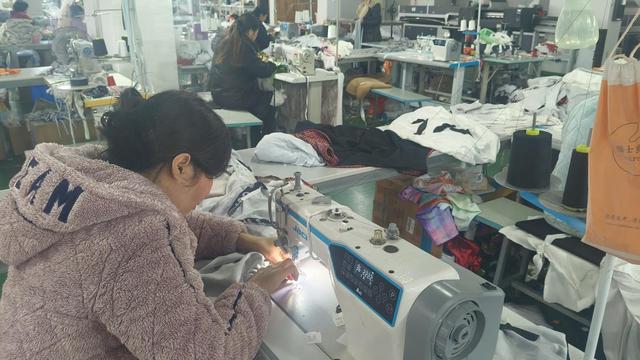
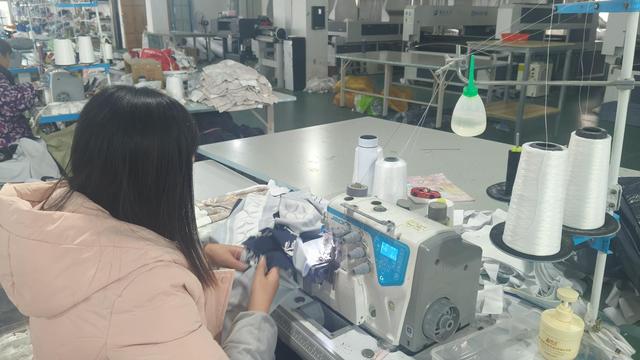
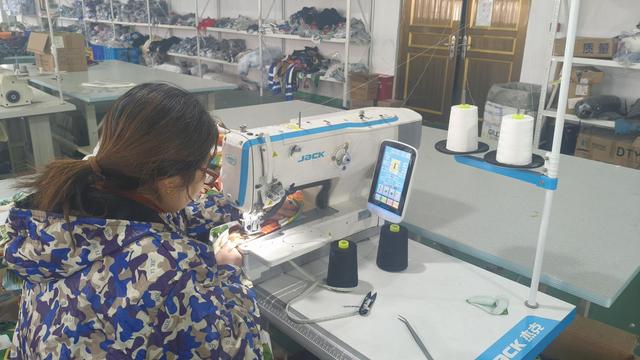
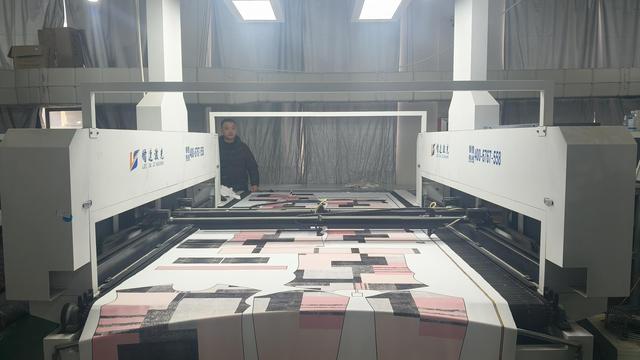
With advanced production facilities and a skilled manufacturing team, Guangzhou Faber Fashion Co., Ltd. maintains strict quality control at every stage of production. From fabric inspection to final garment finishing, every detail is carefully monitored to ensure consistency, durability, and premium craftsmanship.
The company is committed to flexible manufacturing services, supporting both small-batch customization and large-scale wholesale production. Its efficient supply chain system enables fast turnaround times while maintaining competitive pricing for global clients.
By combining innovation, quality, and reliability, Faber Fashion has built long-term partnerships with international fashion buyers. The company continues to expand its global presence as a trusted Women’s Clothing Manufacturer and Fashion Apparel OEM & ODM Factory, dedicated to delivering stylish, high-quality, and market-ready apparel solutions worldwide.
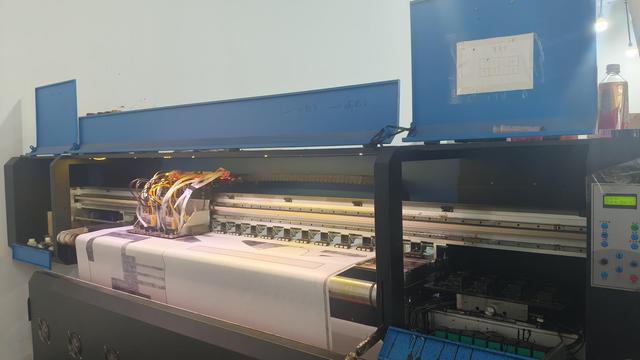
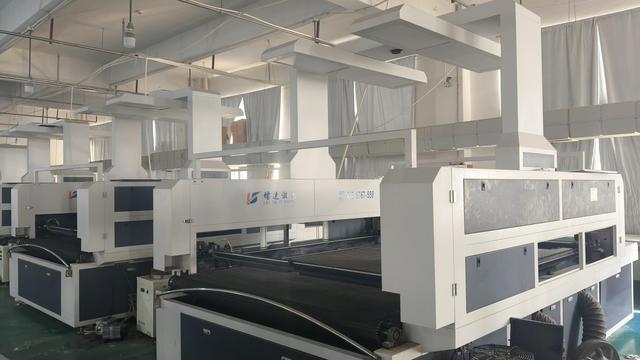
Comprehensive design solutions covering dancewear, loungewear, knit sets, and specialized summer apparel
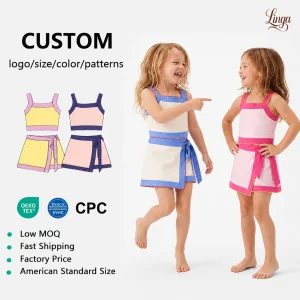
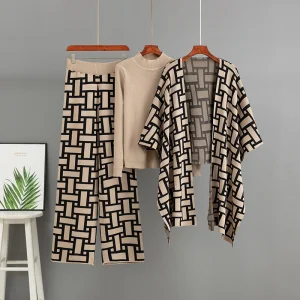

Addressing crucial import compliance, logistical parameters, and manufacturing standards for professional B2B buyers