Explore our premium collections crafted with strict adherence to environmental ethics, raw material transparency, and structural excellence.
How strict climate agendas, consumer sentiment shifts, and legislative standards are reshaping the modern clothing manufacturing framework.
Global garment production accounts for substantial greenhouse emissions. Transitioning to closed-loop fibers, regenerated cotton, and eco-certified silk is no longer optional. Supply chains must optimize for carbon neutrality by minimizing raw fiber transport and adopting low-impact dry-dyeing technologies.
With the introduction of the EU's Digital Product Passport and stricter waste-reduction acts, brands face heavy penalties for untraceable supply networks. Dynamic green manufacturing requires verified supply certifications, including GOTS, GRS, and OEKO-TEX Standard 100, throughout the entire value loop.
Sustainable brands demand a shift away from linear "take-make-waste" models. Utilizing pre-consumer cutting waste, bio-based adhesives, and post-consumer textile fibers creates circular patterns that retain premium properties while minimizing raw extraction.
"The future of apparel retail lies in clean supply chains. Manufacturers must act as strategic ESG partners, providing measurable energy usage metrics, chemical management controls, and certified material origins at every production step."
Combining world-class production speed with advanced sustainable technology to achieve unmatched sample turnaround and carbon-reduced logistics.
China's garment manufacturing zones have evolved beyond standard assembly lines into highly coordinated eco-clusters. By establishing integrated networks that house yarn spinning, ecological fabric mills, dyeing houses, and logistics hubs within tight geographical regions, we eliminate the immense carbon footprint associated with inter-country raw material transport.
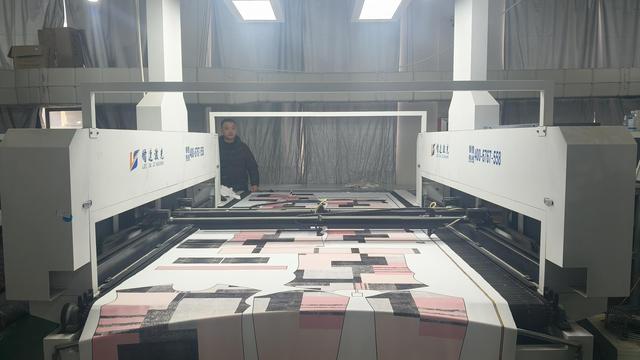
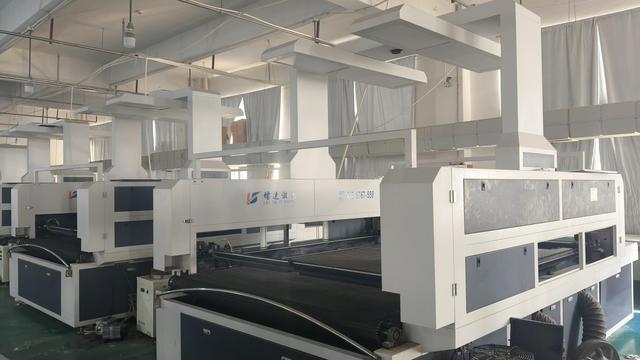
Furthermore, local integration allows for incredibly responsive production cycles. Leveraging computerized CAD pattern layout systems drastically reduces fabric consumption during cutting, minimizing waste before assembly starts. Intelligent machinery monitors power consumption per piece, aligning factory output directly with international carbon auditing systems.
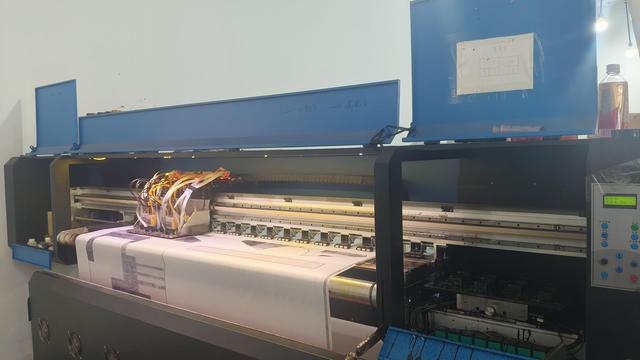
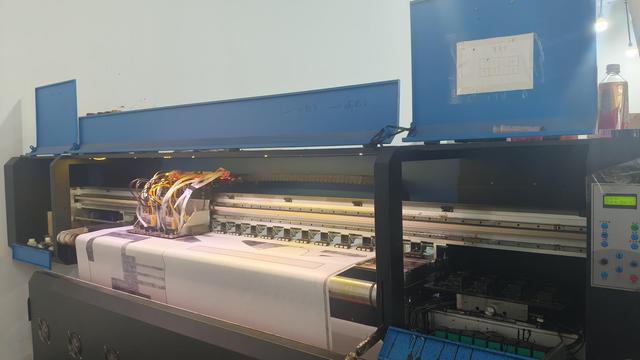
Guangzhou's manufacturing hub stands at the forefront of digital apparel engineering. By implementing automated pattern-making algorithms and real-time smart hangers, factories optimize physical worker output while reducing energy draw. High-speed custom sublimation, organic ink printing, and eco-certified silk processing ensure that fast-turnaround clothing meets international health and green compliance parameters.
This allows global fashion brands to maintain low-volume inventory levels, utilizing real-time replenishment cycles. Brands can scale up collections based on actual demand, preventing overproduction and the environmental waste of deadstock inventory.
A premier industry partner providing high-precision women's apparel design, green manufacturing, and comprehensive OEM/ODM supply chain integration.
Guangzhou Faber Fashion Co., Ltd. is a professional women’s clothing manufacturer and fashion apparel supplier based in Guangzhou, China. The company specializes in designing, producing, and exporting high-quality women’s garments for global fashion brands, wholesalers, and retailers. With strong OEM and ODM capabilities, Faber Fashion provides full-service solutions from concept development, fabric sourcing, pattern making, sampling, to mass production and global delivery.
Faber Fashion focuses on a wide range of women’s apparel, including dresses, tops, blouses, skirts, trousers, outerwear, and seasonal fashion collections. The company keeps up with international fashion trends and integrates modern design aesthetics with practical wearability, ensuring each collection meets the demands of different markets such as Europe, North America, and the Middle East.
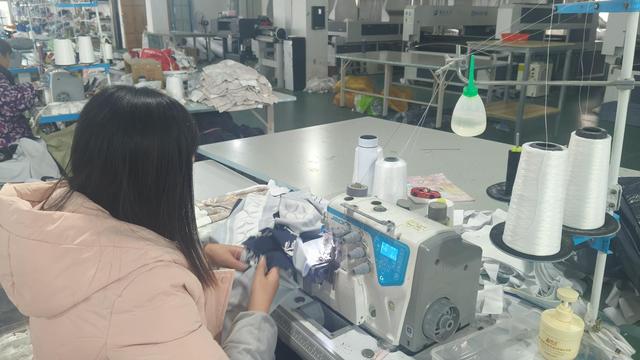
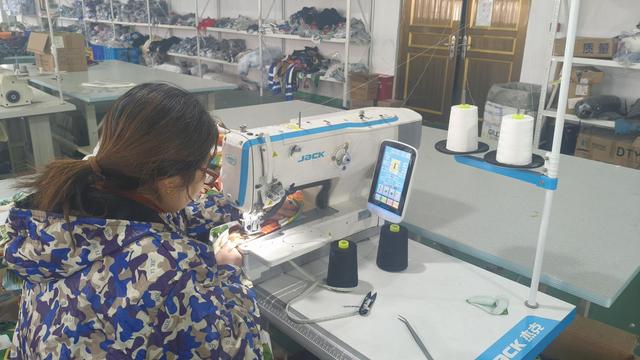
With advanced production facilities and a skilled manufacturing team, Guangzhou Faber Fashion Co., Ltd. maintains strict quality control at every stage of production. From fabric inspection to final garment finishing, every detail is carefully monitored to ensure consistency, durability, and premium craftsmanship.
The company is committed to flexible manufacturing services, supporting both small-batch customization and large-scale wholesale production. Its efficient supply chain system enables fast turnaround times while maintaining competitive pricing for global clients.
By combining innovation, quality, and reliability, Faber Fashion has built long-term partnerships with international fashion buyers. The company continues to expand its global presence as a trusted Women’s Clothing Manufacturer and Fashion Apparel OEM & ODM Factory, dedicated to delivering stylish, high-quality, and market-ready apparel solutions worldwide.
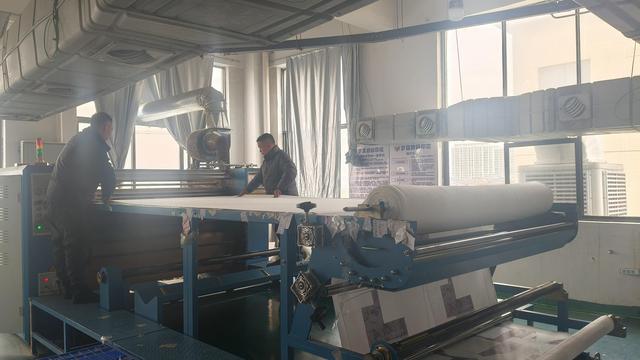
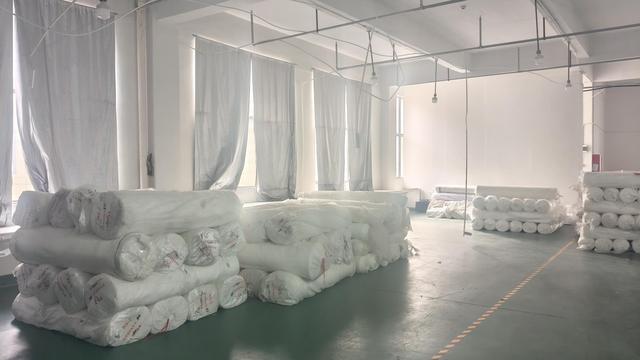
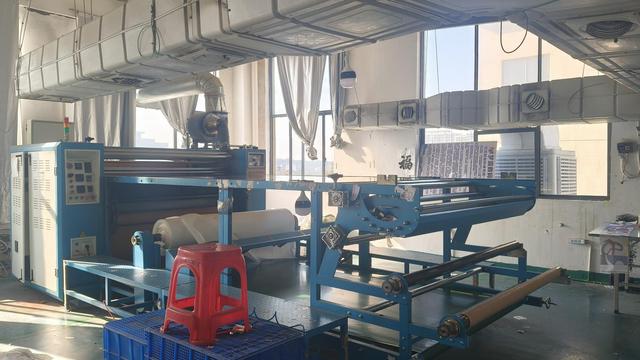
Aligning raw material specifications with market demands for boutique collections, luxury lines, and eco-certified corporate wear.
Luxury apparel brands demand authentic Global Organic Textile Standard (GOTS) cotton and Global Recycled Standard (GRS) polyester. Certified materials guarantee zero hazardous pesticide exposure, non-toxic processing, and ethical working conditions throughout farming and spinning.
Modern retail strategies require flexible Minimum Order Quantities (MOQs) to test market performance. Flexible production lines protect brands from excess inventory overhead, allowing rapid restocking of high-demand designs while using eco-friendly raw materials.
From custom tracking algorithms to carbon-neutral shipping methods, enterprise brands require end-to-end transparency. Clear chain-of-custody documentation ensures smooth customs clearance and builds consumer trust.
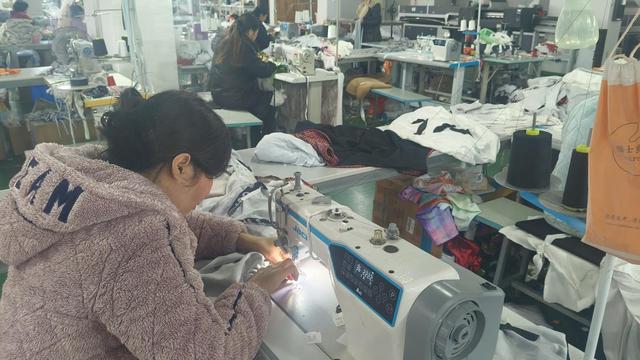
Key developments that will define green clothing procurement, design parameters, and supply chain standards over the next decade.
With growing concern over microplastics, manufacturers are integrating bio-synthetics that decompose naturally in landfills. Modified polyesters and plant-derived elastanes offer the performance properties of synthetics with a significantly reduced environmental impact.
Traditional fabric finishing relies on harsh chemicals for softness and water resistance. Next-generation production replaces these with mechanical finishing techniques and bio-based enzymes, ensuring garments are soft, durable, and safe for sensitive skin.
Online design systems and cloud-based material libraries allow brands to view fabric specs, check certifications, and run simulated tests remotely. This streamlines development, reduces physical shipping of swatches, and accelerates the concept-to-production pipeline.
Essential guidance for purchasing managers, apparel designers, and global procurement directors navigating sustainable production.
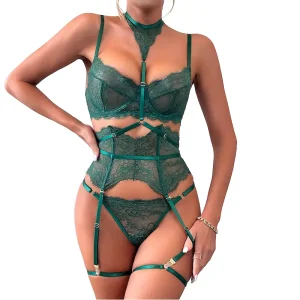
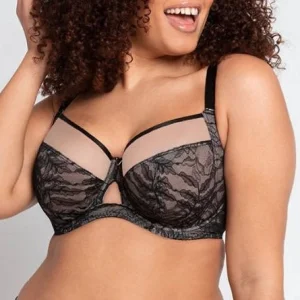
Premium lifestyle garments, activewear, and intricate lace pieces designed for maximum performance, aesthetic appeal, and market readiness.
 Faber Fashion