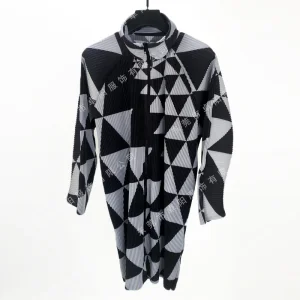
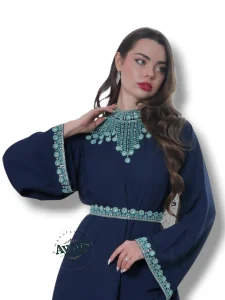
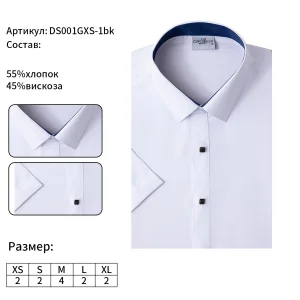
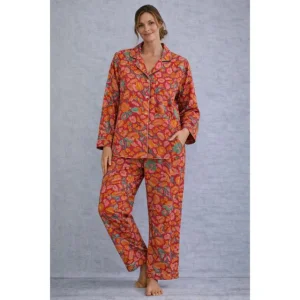
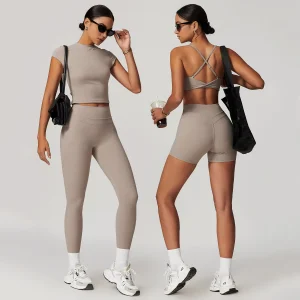
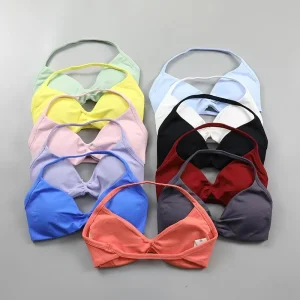
Top Trusted Modest Dresses Manufacturer & Factories

Empowering Global Brands with Elite OEM/ODM Modest Fashion Solutions, Certified Supply Chain Integration, & Advanced Textile Craftsmanship.

Global B2B Modest Fashion Industry Insights & Sourcing Guide

An authoritative analysis on the strategic advantages of Chinese manufacturing ecosystem and the macro trends dictating the growth of modest dresses globally.

The global modest fashion sector has experienced a profound shift over the past decade, transforming from a highly localized cultural segment into a massive multi-billion-dollar global industry. Modern modest fashion balances personal values and style, merging loose-fitting silhouettes, high-neck lines, and floor-length cuts with contemporary fabrics and design aesthetics. For international fashion enterprises, retail chains, and digital DTC brands, partnering with a top trusted modest dresses manufacturer is a fundamental business imperative.
As consumer patterns mature, B2B buyers must navigate complex sourcing landscapes. True expertise in modest clothing manufacturing goes beyond simply copying standard silhouettes and scaling them up. It requires deep knowledge of fabric opacity (ensuring lightweight fabrics are non-see-through), draping mechanics, structural ergonomics for movement, and regional culture-based sizing systems. Partnering with a professional, specialized supplier like Guangzhou Faber Fashion Co., Ltd. ensures access to premium design capabilities, extensive fabric libraries, and highly reliable supply chain structures.
Enterprise Background: Guangzhou Faber Fashion Co., Ltd.
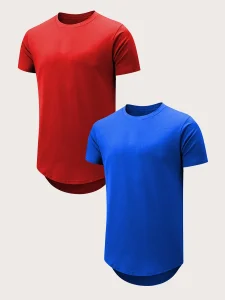
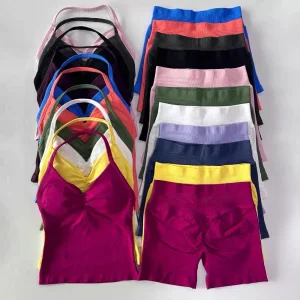
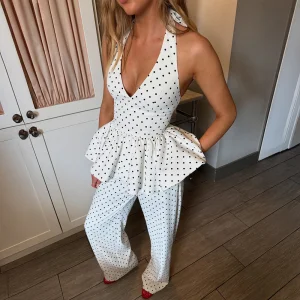
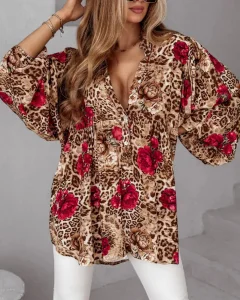
Guangzhou Faber Fashion Co., Ltd. is a professional women’s clothing manufacturer and fashion apparel supplier based in Guangzhou, China. The company specializes in designing, producing, and exporting high-quality women’s garments for global fashion brands, wholesalers, and retailers. With strong OEM and ODM capabilities, Faber Fashion provides full-service solutions from concept development, fabric sourcing, pattern making, sampling, to mass production and global delivery.

Faber Fashion focuses on a wide range of women’s apparel, including dresses, tops, blouses, skirts, trousers, outerwear, and seasonal fashion collections. The company keeps up with international fashion trends and integrates modern design aesthetics with practical wearability, ensuring each collection meets the demands of different markets such as Europe, North America, and the Middle East.

Advanced Fabric Sourcing

Unrestricted access to the world's most extensive textile hubs. Specializing in high-thread-count crepe, linen, breathable cotton, chiffon, and eco-friendly fabrics that guarantee zero opacity issues.

CAD Pattern Optimization

Engineered sizing standards tailored precisely to different demographic markets including the GCC regions, Western Europe, North America, and Southeast Asia.

AQL 2.5 Quality Controls

Every single dress goes through standard multi-phase inspections covering seam elasticity, wash testing, colorfastness, and meticulous bead/embroidery security checks.

15+
Years Sourcing Experience
50+
Countries Exported To
150k+
Monthly Production Capacity
0%
Quality Failure Tolerance Rate

China's Structural Advantages in Modest Apparel Manufacturing

Why Guangzhou clusters lead the industry in global supply chain integration, technological efficiency, and material innovation.
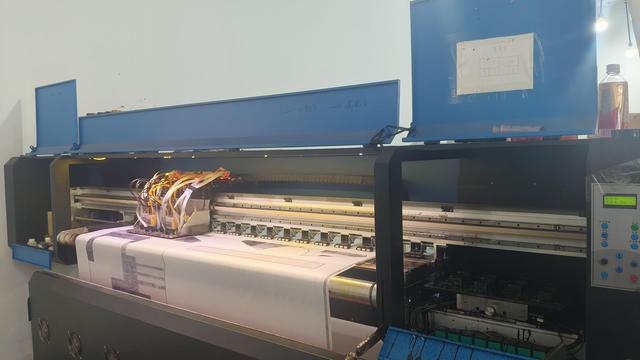
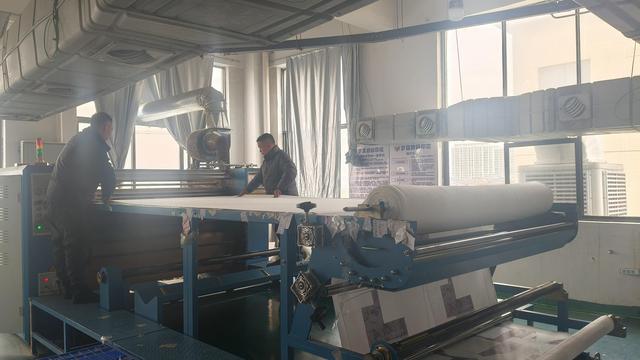
When evaluating international factories, the primary differentiation factor lies in the regional ecosystem's maturity. Guangzhou is the hub of China’s textile industry, offering a complete vertical supply chain from raw yarn production to advanced embroidery design, pattern editing, and high-performance logistics.
1. Fully Integrated Supply Chain Ecosystem: Guangzhou’s proximity to premium fabric markets allows manufacturers like Guangzhou Faber Fashion Co., Ltd. to source raw textiles, accessories, custom zippers, and intricate lace trims in real-time. This eliminates the long transit times common in other manufacturing regions.
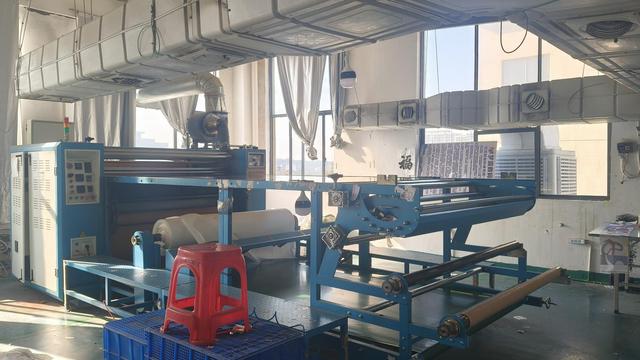
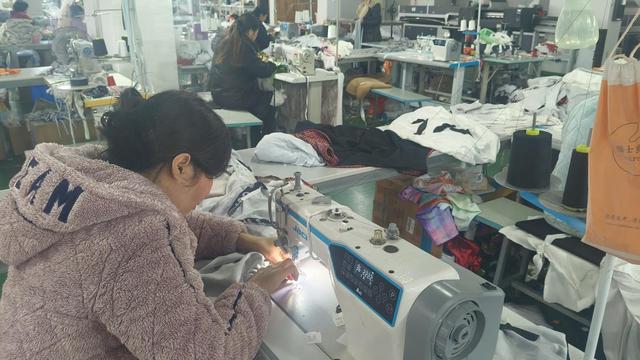
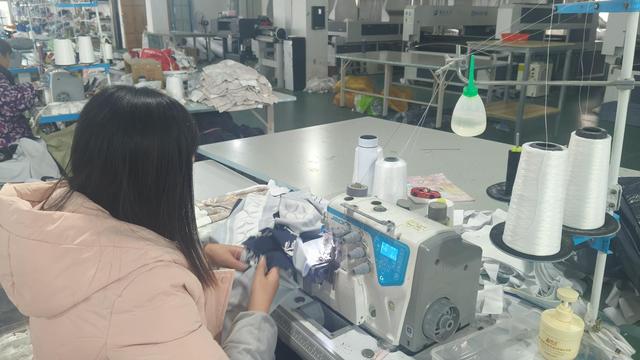
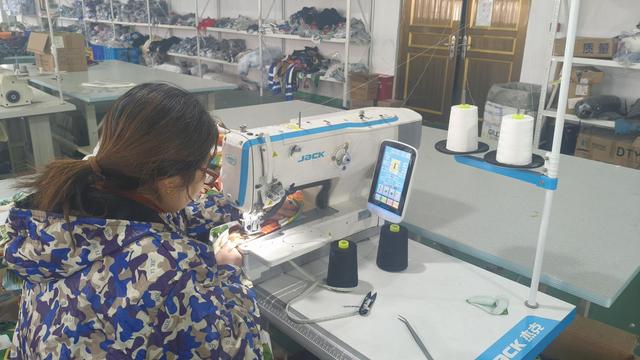
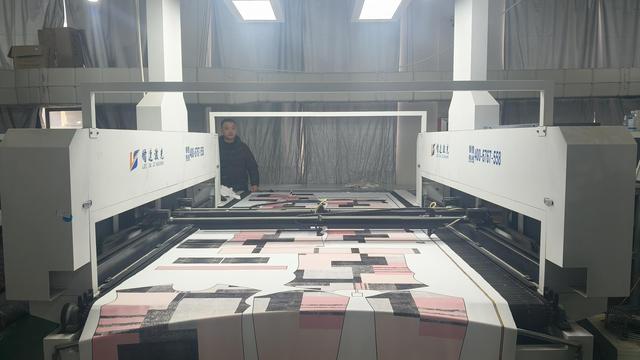
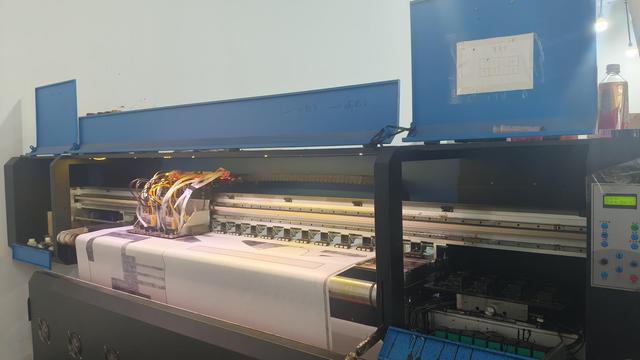
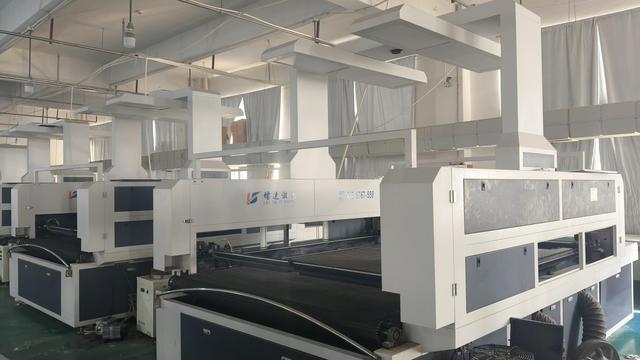
2. Advanced Machinery and Craftsmanship: Producing premium modest evening wear, beaded abayas, and flowy caftans requires specialized sewing machines and techniques. Chinese factories utilize automated embroidery machines, laser-cutting tables for precise fabric yields, and advanced steam irons that preserve delicate fibers like silk, rayon, and crepe.
3. Agile Production Models: With the rise of fast-evolving online trends, brand owners need flexible manufacturing options. Our supply chain supports small-batch sampling (low MOQs) to test market feedback, alongside high-capacity production lines capable of scaling up quickly.

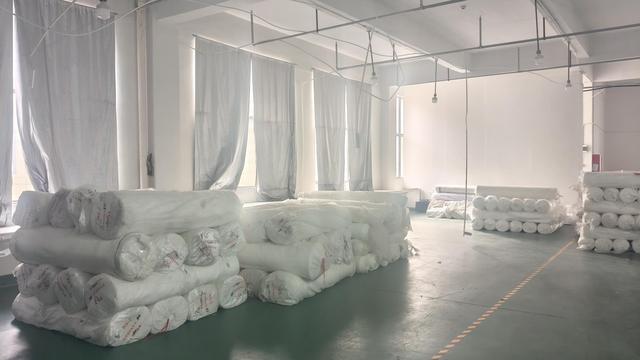
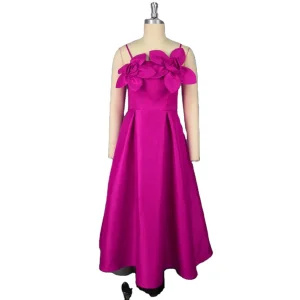
Factory & Production Quality Gallery

Global Sourcing Contexts & Market Demands

Deciphering localized design requirements, fabric technologies, and compliance specifications across key global markets.

Modest fashion is not a monolith; buyer preferences vary by region due to climate differences, cultural practices, and local trends. Sourcing managers must understand these nuances to select the right product ranges.

Middle East & GCC Markets

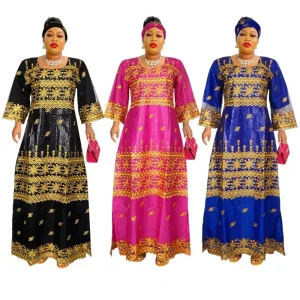
High demand for premium evening abayas, elaborate caftans, and formal wedding partywear. Common fabrics include Nidha, Fursan, and heavy chiffon, often detailed with intricate beadwork, delicate embroidery, and high-quality crystals. Durability in high temperatures is essential.

North American & European Markets

Prefers versatile, layered, and casual modest clothing suitable for daily wear and office environments. Earthy tones, neutral colors, and subtle patterns dominate. Strong focus on sustainable materials such as organic cotton, linen blends, and eco-friendly modal fabrics.

Southeast Asian Markets

Driven by tropical climates, buyers in Malaysia, Indonesia, and Singapore prioritize highly breathable, lightweight, and moisture-wicking materials. Popular styles include daily baju kurung, long maxi dresses in pastel hues, and lightweight matching sets.

Key Macro Trends Shaping Modest Fashion (2025-2030)

1. Sustainable & Biodegradable Textiles: Eco-conscious consumers are seeking green wardrobe alternatives. Using recycled polyester chiffon, GOTS-certified organic cotton, and eco-viscose helps brands stand out while supporting circular fashion initiatives.
2. Inclusive & Ergonomic Fit: Standardized sizing often misses the mark for modest cuts, which require specific body-to-fabric space formulas. 3D digital pattern sampling ensures custom fits that maintain ease of movement without compromising on structure or coverage.

B2B Procurement & Sourcing FAQ

Essential answers to help you navigate custom manufacturing, logistics, and quality assurance processes.

What is the typical Minimum Order Quantity (MOQ) for custom modest dress orders?
Our standard MOQ ranges from 100 to 300 pieces per style, depending on fabric availability and design complexity. For new brand launches or seasonal testing, we offer flexible MOQ terms on selected stock-supported fabrics. Please contact our procurement team to discuss your project requirements.
How do you guarantee fabric opacity (non-see-through) for lightweight summer dresses?
We use specialized testing methods to measure light transmission through our fabrics. For naturally sheer materials like chiffon, we offer custom double-layer options or sew-in knit liners. We source only high-density, long-staple yarns to ensure excellent coverage and premium drape.
What is the typical lead time for sampling and mass production?
Sample creation typically takes 7 to 10 working days after confirming the design sheet. Mass production is usually completed within 25 to 35 days from receipt of the deposit and approval of the pre-production sample, depending on order size and scheduling.
Can you manufacture garments based on custom sketches or reference physical samples?
Yes, our ODM division specializing in modest fashion can work directly from design sketches, tech packs, or physical samples. We provide paper pattern scaling, digital prototypes, and adjustment recommendations to match your brand's specific silhouette guidelines.
What quality standards do you use during final packing and dispatch?
Our quality control protocols comply with AQL 2.5 parameters. Our in-house inspectors review stitch quality, check dimensional measurements, and examine embellishments before final sealing. We also accommodate third-party inspections (such as SGS or Intertek) at our facility.