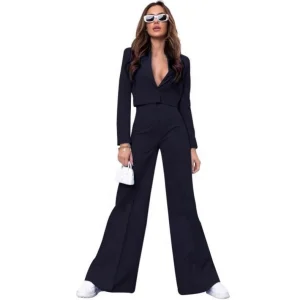
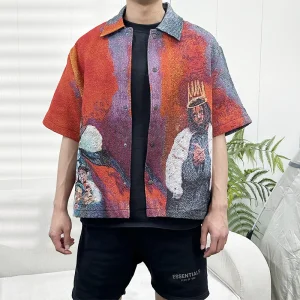
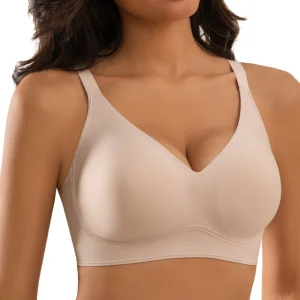
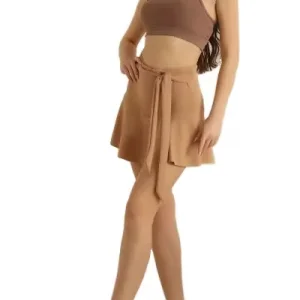
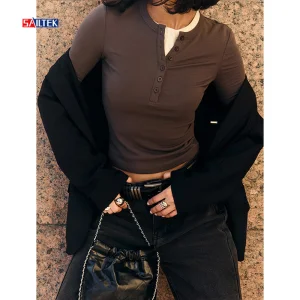
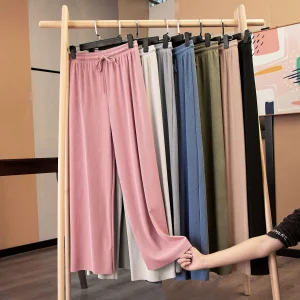
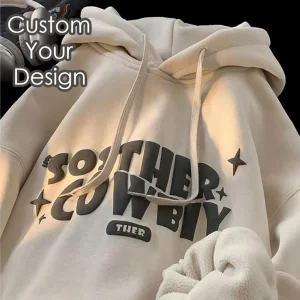
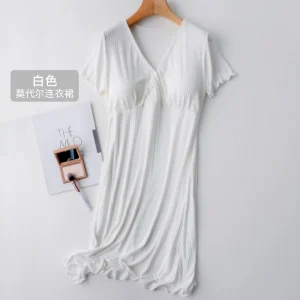
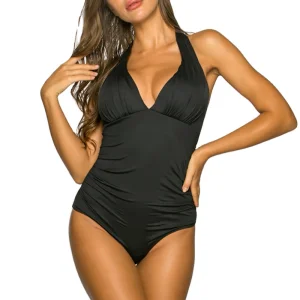
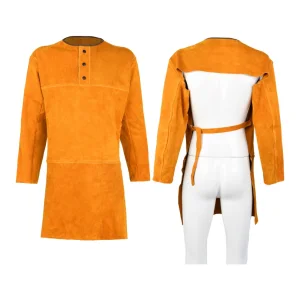
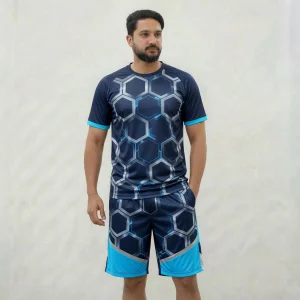
Direct from leading certified manufacturing lines. High-grade fabrics, custom sizes, and low MOQ options.
The strategic shift in the curve apparel landscape requires high-precision scaling, inclusive sizing engineering, and resilient OEM networks.
The global plus-size fashion segment has transitioned from a specialized niche into a primary engine of growth for modern fashion brands. Global sourcing managers increasingly encounter critical hurdles: non-standard grade measurements across regions, fabric integrity degradation under dynamic stretch loads, and the bottleneck of finding certified manufacturing facilities. The standard method of simply scaling up smaller designs often results in poor fit, customer dissatisfaction, and high return rates.
To address these issues, elite manufacturers are redesigning their production lines. Modern plus size apparel production requires a bottom-up methodology based on anthropometric dimensions. Leading OEMs focus on high-stress seam construction, optimized stretch recovery indexes, and pattern grading designed to naturally complement curvier silhouettes.
A Premier Women’s Clothing Manufacturer with Advanced OEM & ODM Capacities
Guangzhou Faber Fashion Co., Ltd. is a professional women’s clothing manufacturer and fashion apparel supplier based in Guangzhou, China. The company specializes in designing, producing, and exporting high-quality women’s garments for global fashion brands, wholesalers, and retailers. With strong OEM and ODM capabilities, Faber Fashion provides full-service solutions from concept development, fabric sourcing, pattern making, sampling, to mass production and global delivery.
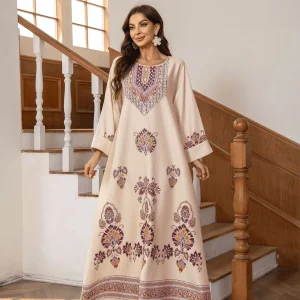
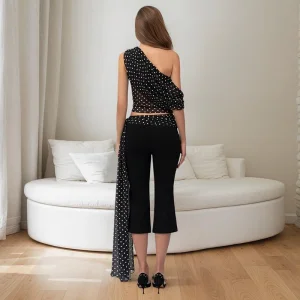
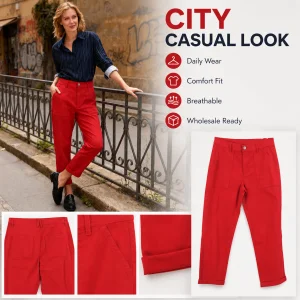
Faber Fashion focuses on a wide range of women’s apparel, including dresses, tops, blouses, skirts, trousers, outerwear, and seasonal fashion collections. The company keeps up with international fashion trends and integrates modern design aesthetics with practical wearability, ensuring each collection meets the demands of different markets such as Europe, North America, and the Middle East.
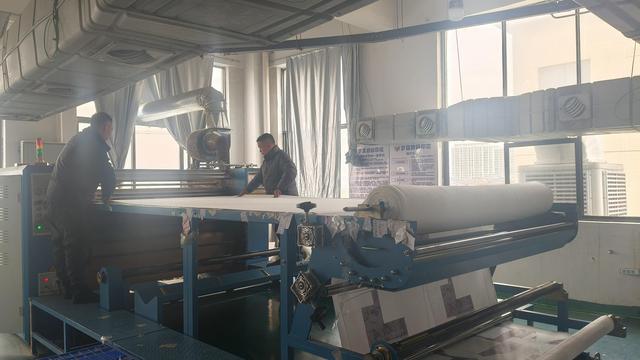
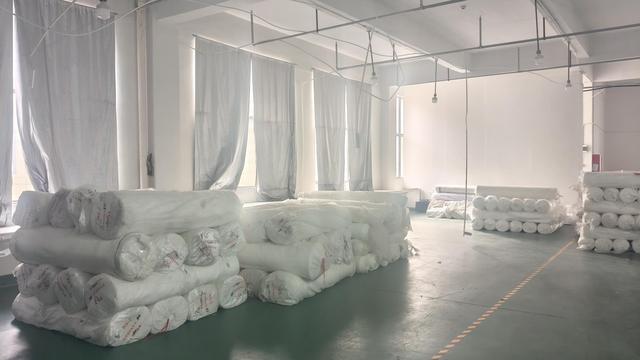
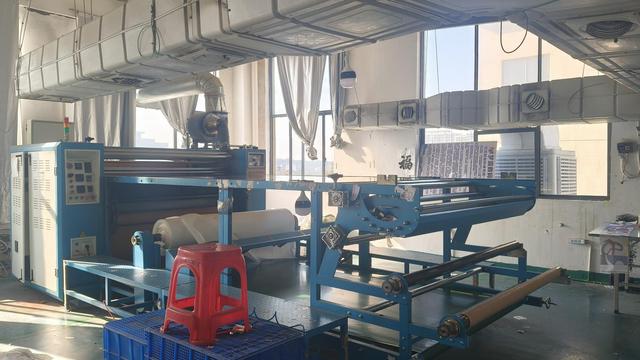
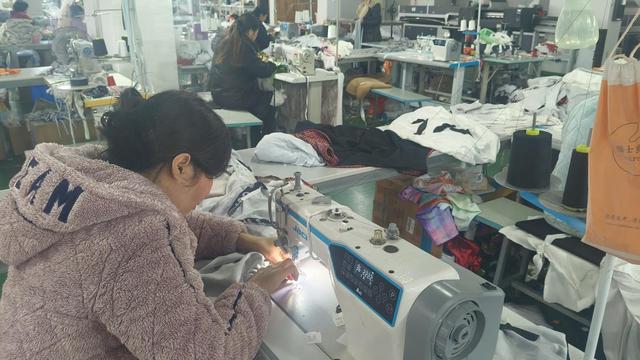
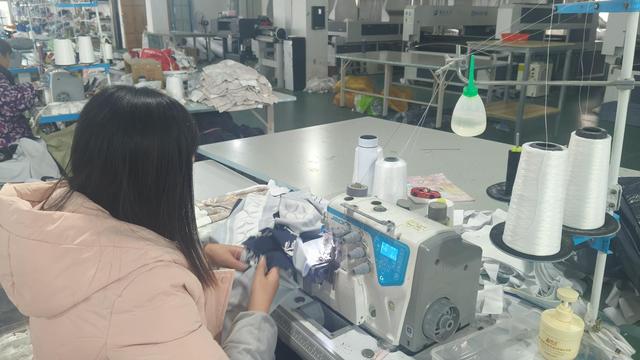
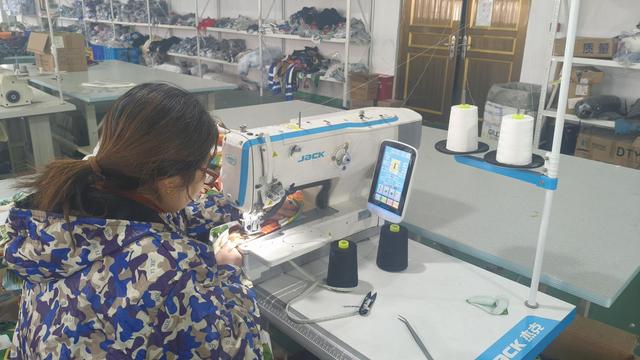
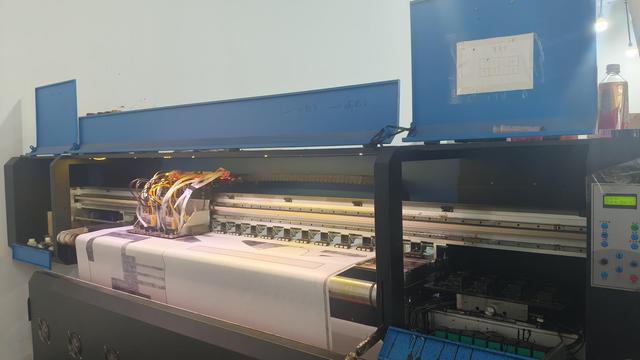
With advanced production facilities and a skilled manufacturing team, Guangzhou Faber Fashion Co., Ltd. maintains strict quality control at every stage of production. From fabric inspection to final garment finishing, every detail is carefully monitored to ensure consistency, durability, and premium craftsmanship.
The company is committed to flexible manufacturing services, supporting both small-batch customization and large-scale wholesale production. Its efficient supply chain system enables fast turnaround times while maintaining competitive pricing for global clients. By combining innovation, quality, and reliability, Faber Fashion has built long-term partnerships with international fashion buyers, delivering stylish, high-quality, and market-ready apparel solutions worldwide.
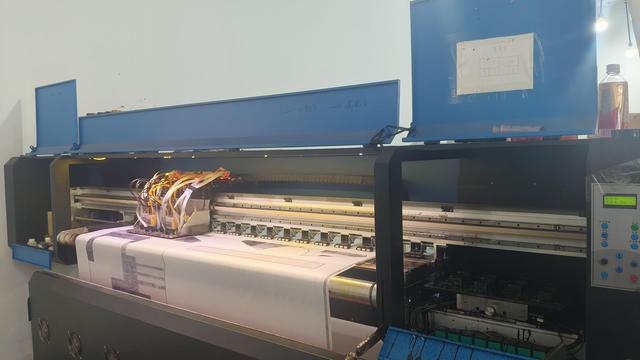
How cutting-edge pattern virtualization and dynamic smart textiles are reshaping the curve garment industry.
Utilizing high-definition 3D digital body scanners, designers capture diverse body measurements across multiple age groups. This data feeds directly into specialized CAD systems, replacing linear size grading with customized fits. The result is a reduced need for physical prototypes and more accurate first-sample fits.
Specialized testing is applied to fabrics containing high percentages of Spandex, Nylon, and Elastane. Factories measure warp and weft stretch recovery rates under continuous mechanical tension, ensuring materials retain their shape over time. This approach prevents bagging and guarantees a flattering fit throughout the day.
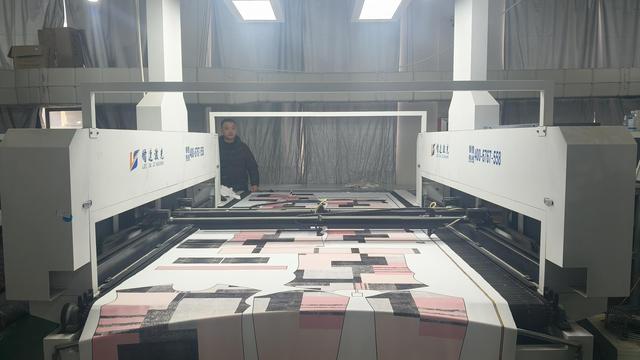
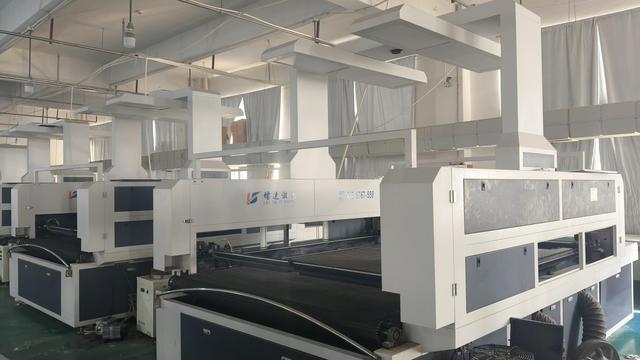
Deploying computer-controlled cutters prevents fabric slippage, securing consistent dimensions across large-scale runs. Modular, team-based assembly systems adapt production speeds to handle intricate details, such as complex tummy control mesh panels and multi-layered bust support.
Ensuring your supply chain meets international criteria for safety, ethical labor, and environmental responsibility.
Operating partner facilities maintain BSCI, WRAP, and Sedex certifications. This guarantees ethical labor practices, safe working conditions, and transparent wages, meeting the compliance requirements of major Western retailers.
Materials are screened for harmful chemicals. Plus-size lingerie, swimwear, and next-to-skin garments are certified safe from toxic azo dyes, formaldehyde, and common skin irritants, protecting consumers and reducing product returns.
With customized logistics, manufacturers optimize HS Code assignments, prepare accurate country-of-origin documentation, and offer DDP shipping solutions to ensure seamless custom clearance into the USA, European Union, and GCC countries.
A data-backed matrix designed to evaluate factory capabilities, quality metrics, and technology platforms.
| Assessment Area | Essential Criteria | Why it Matters | Supplier Standard |
|---|---|---|---|
| Fit Engineering | Bust-to-Waist ratio adjustments, specialized armhole and shoulder pitch calculations. | Prevents armhole tightness and secures natural fit drape. | Compliant |
| Fabric Integrity | GSM testing, stretch elasticity assessment, and wash shrinkage control below 3%. | Prevents fabric thinning and keeps shape after multiple washes. | Compliant |
| Seam Strength | Reinforced overlock stitching, four-needle six-thread flatlock machines. | Prevents seam tearing in high-stress areas like hips and thighs. | Compliant |
| Scale Elasticity | Flexible production systems supporting custom runs of 100 units up to 10,000 units. | Supports fast restocking without tying up capital in excessive inventory. | Compliant |
Industry answers regarding production processes, size grading, custom logistics, and development costs.
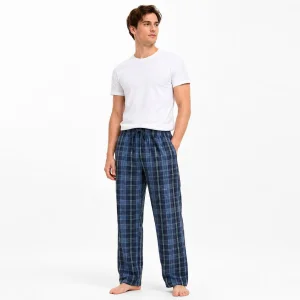
Premium options for everyday styles, modest wear, loungewear, and safety apparel.
 Faber Fashion