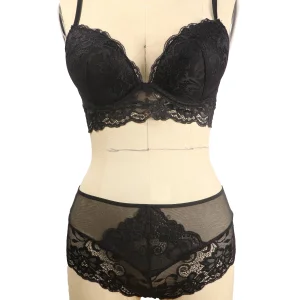
Direct supply line from certified premium manufacturing floors
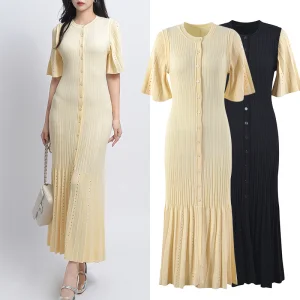
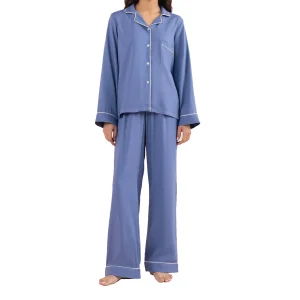
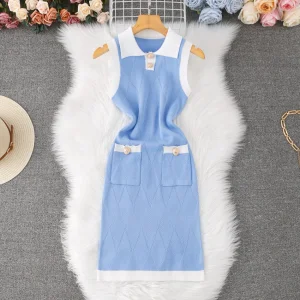
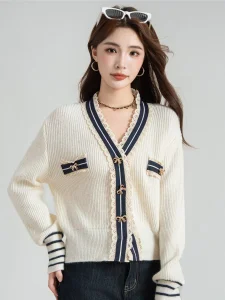
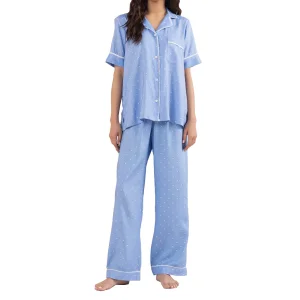
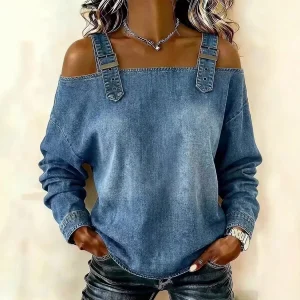
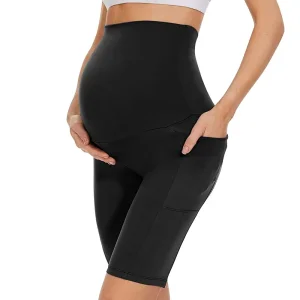
The contemporary garment trade is undergoing a paradigm shift. Today's global buyers, from high-street brand directors to digital-native D2C startups, no longer seek just manual labor; they require sophisticated design capability, agility, and a verified, resilient supply chain. "Chic Attire"—which bridges the gap between fast fashion and high-end luxury—demands strict attention to textile compositions, meticulous pattern drafting, and dynamic response mechanisms to real-world consumer demand.
Globally, the market value of designer apparel and contemporary chic attire is projected to cross hundreds of billions of dollars over the next decade. Major buying groups in North America, Western Europe, and the Middle East are shifting from massive production runs of basic silhouettes to highly segmented, low-volume, high-mix runs. This structural change places incredible pressure on traditional mills but offers immense advantages to tech-integrated, vertical factories.
A Shift in Intent: Search trends suggest that global apparel procurement teams are targeting factories with in-house design capabilities (ODM) over simple assembly lines (OEM) to compress their time-to-market by up to 45%.
A Case Study in Modern OEM & ODM Excellence
Guangzhou Faber Fashion Co., Ltd. stands as a premier example of a modern, vertically-integrated women’s clothing manufacturer and fashion apparel supplier based in Guangzhou, China. Far beyond a simple cut-and-sew setup, the company specializes in the end-to-end cycle of designing, producing, and exporting high-quality women’s garments for global fashion brands, independent boutiques, wholesalers, and leading retailers. By leveraging comprehensive OEM (Original Equipment Manufacturer) and ODM (Original Design Manufacturer) frameworks, Faber Fashion supports its clients from the embryonic stages of concept development to fabric sourcing, meticulous pattern making, swift prototyping, mass production, and final global delivery.
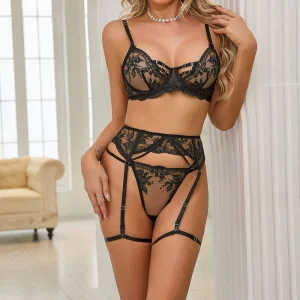
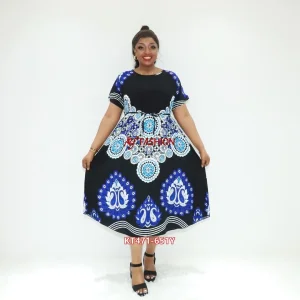
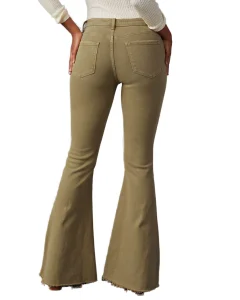
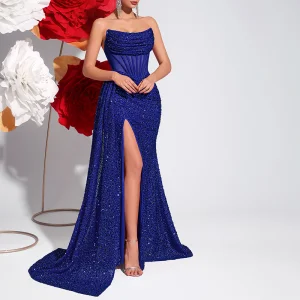
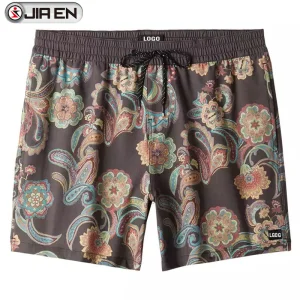
The operational core of Faber Fashion is built upon diversity and specialization. Their extensive product line covers dresses, tops, blouses, skirts, trousers, outerwear, and specialized seasonal fashion collections. By constantly aligning their design offices with international runway trends and combining those aesthetics with everyday wearability, they successfully meet the diverse cultural and regulatory expectations of target consumer markets across Europe, North America, and the Middle East.
Integrating multi-stage inspection lines from raw fabric roll inspection to inline sewing checks and final pre-packing press runs, ensuring total product consistency.
Equipped with highly flexible sewing lines capable of executing low minimum order quantities (MOQs) alongside massive volume runs, adapting dynamically to modern test-and-scale models.
Based in the epicenter of the textile trade in South China, allowing rapid material sourcing of specialty cotton, blends, silks, and recycled eco-polyesters.
Why do top global brands continuously rely on China, particularly Guangzhou, for their chic attire production? The answer lies in the unparalleled density of the local industrial cluster. In Guangzhou, a fashion concept can go from a CAD file to a physical sample ready for shipment in less than 72 hours. This rate of speed is practically impossible in regions that lack integrated raw material markets, auxiliary component suppliers (zippers, labels, thread, buttons), and logistics networks.
Guangzhou Faber Fashion Co., Ltd. capitalizes on this unique local geographic cluster by operating dedicated production spaces run by highly trained technicians. Because the factory is close to major international shipping hubs like the Port of Guangzhou and Shenzhen, transport bottlenecks are minimized, ensuring smooth delivery to final destinations worldwide.
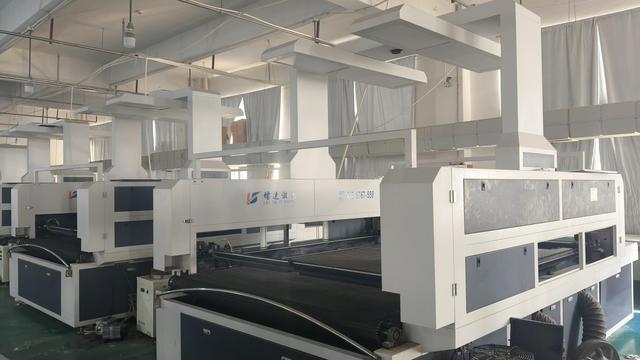
Furthermore, local design teams utilize automated pattern-nesting technology and precision laser-cutters to drastically reduce material waste. By optimizing raw yield per fabric roll, Faber Fashion reduces overall production costs while offering clients competitive FOB pricing.
How international retailers successfully deploy Faber Fashion's production capacity
Modern online apparel brands use Faber's flexible MOQ capabilities to test new styles with small batches. Once a design shows high click-through and purchase rates online, the factory ramps up mass production, minimizing inventory risk.
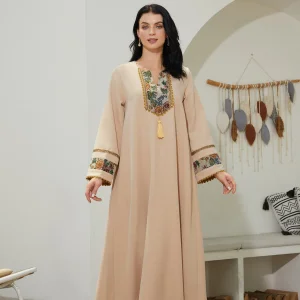
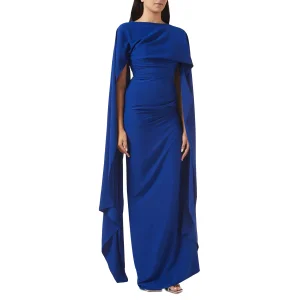
Specialized retailers in the Middle East demand high-end fabrics, complex embroidery, and precise draping for items like abayas and modest jeans dresses. Faber's custom ODM team easily adapts designs to fit regional sizing and cultural needs.
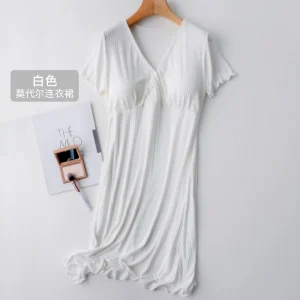
From premium loungewear sets to knitwear and loungewear, buyers in North America look for high-grade cotton and modal blends that wash well and maintain their shape, ensuring repeat customers for their brands.
The future of apparel manufacturing is clean, smart, and transparent. We are tracking a growing demand for eco-friendly fibers, including organic cotton, recycled polyester, and bamboo-derived viscose.
Faber Fashion is continually expanding its eco-certified fabric options to help global brands meet strict environmental laws in the EU and North America.
The integration of technology into apparel production goes far beyond the sewing machine. Industry leaders are focusing on:
A guide for sourcing directors evaluating chic attire factories
Verify fiber content, fabric weight (GSM), shrinkage rate (aim for <3% for knits), and dye migration. Always request lab reports for fiber purity.
Check stitches per inch (SPI). High-end chic wear requires 10–12 SPI. Inspect overlock stitching to prevent fraying along seam lines.
Ensure the facility is certified by recognized bodies like BSCI, WRAP, or Sedex. Social compliance is essential for modern brand positioning.
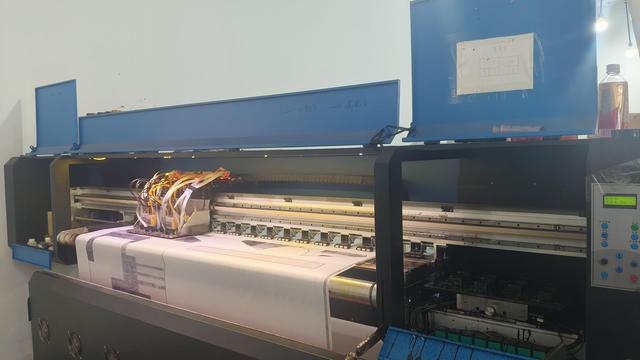
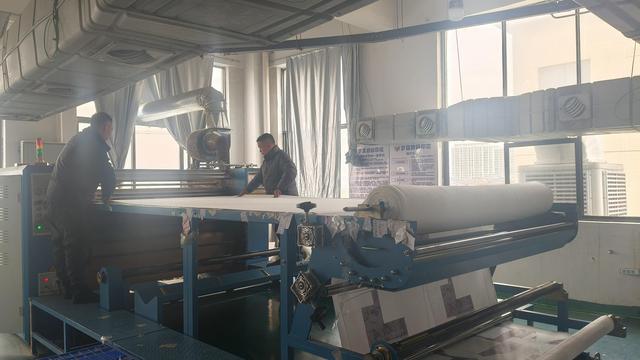
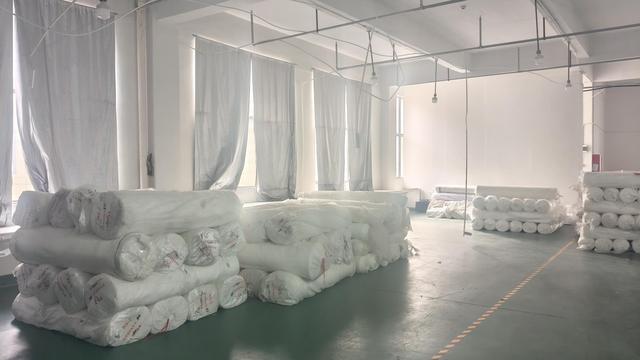
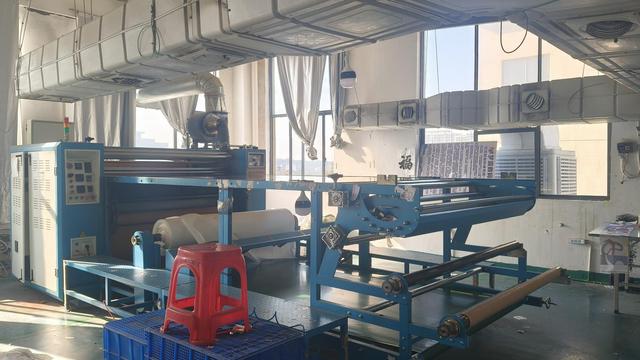
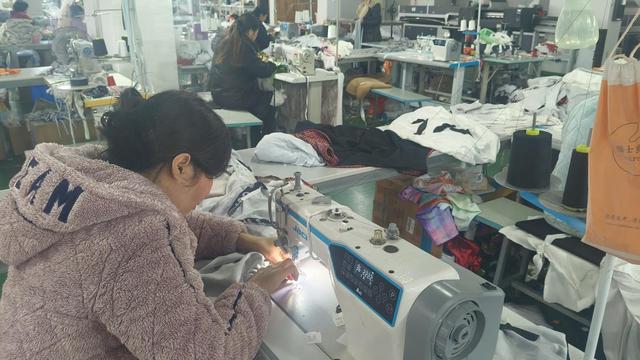
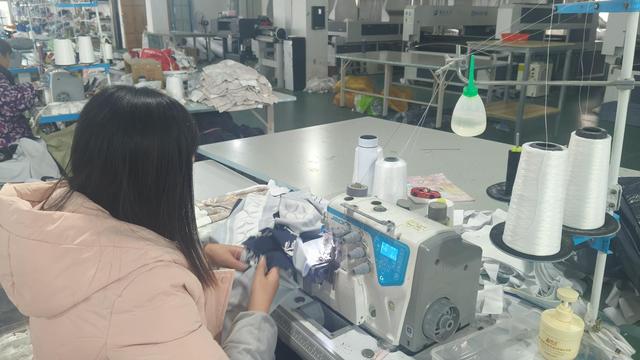
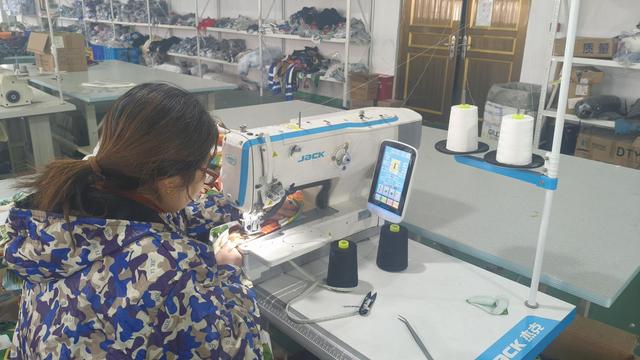
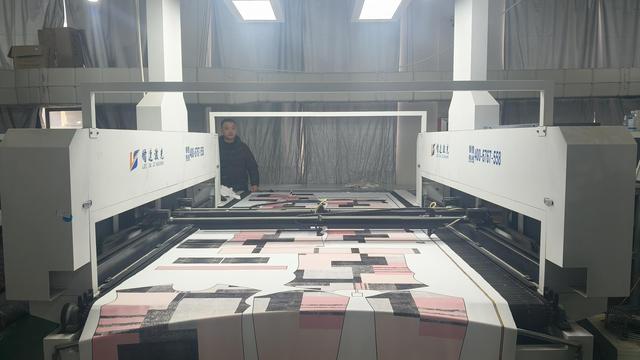
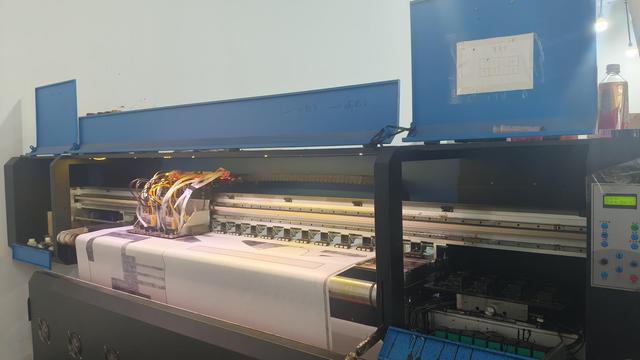
Inside our advanced production floors, design units, and quality control departments
Key information regarding production minimums, custom designs, and global shipping
Usually, sampling takes 3 to 7 working days, depending on fabric availability and design complexity. Mass production runs generally take between 15 and 30 days after the pre-production sample is approved.
Yes. We provide complete OEM (manufacturing based on your exact tech packs) and ODM (where our in-house designers create styles that you can brand) solutions. This includes fabric sourcing, pattern making, custom sizing, and retail packaging.
We follow strict AQL (Acceptable Quality Limit) 2.5 standards. Fabric undergoes raw material inspections, while production lines use intermediate checks, and finished garments undergo a final 100% inspection before packing.
Absolutely. We work with certified yarn suppliers to offer organic cotton, recycled polyester, EcoVero viscose, and other sustainable fabrics with proper transaction certificates.
We offer FOB, CIF, and DDP shipping terms. Our logistics team works with major global freight forwarders to handle customs declarations, export duties, and door-to-door delivery.
Premium options for fashion brands and wholesale buyers
 Faber Fashion