

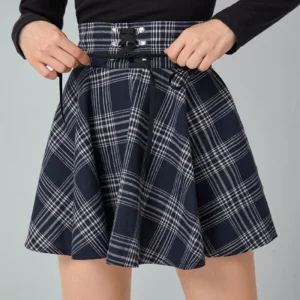
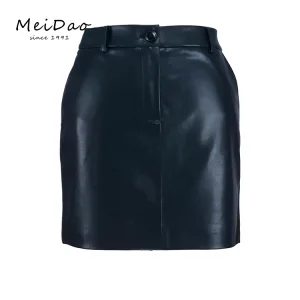
The global garment procurement sector is undergoing an structural paradigm shift. Driven by tightening regulatory frameworks, such as the European Union's Corporate Sustainability Due Diligence Directive (CSDDD) and the EU Strategy for Sustainable and Circular Textiles, enterprise fashion buyers are no longer evaluating manufacturers purely on cost per unit (FOB). Today's global brands must verify carbon emissions targets, water footprint mitigation, worker welfare compliance, and comprehensive product traceability.
Traditional sourcing configurations suffer from opaque supply chains, creating immense compliance risks under new regulations like the US Uyghur Forced Labor Prevention Act (UFLPA). In response, Tier-1 apparel brands are consolidating their supplier bases, moving orders to manufacturers in major clusters like Guangzhou who can deliver certified raw materials, high digital integration, and verifiable proof of clean energy usage during production phases.
Sustainable apparel has traditionally carried a substantial cost markup—often termed the "Green Premium." Overcoming this dynamic requires optimizing supply chain pathways and standardizing low-impact materials.
China's manufacturing clusters have addressed this issue via scale. By developing localized eco-textile ecosystems, fabric mills and processing plants are reducing trans-shipment logistics costs and centralizing recycling infrastructure.
Replacement of virgin petroleum polyester with certified Global Recycled Standard (GRS) rPET and USDA Organic certified cotton fibers.
Using supercritical fluid CO2 and low-liquor ratio machinery to reduce water footprints by up to 85% compared to conventional processes.
Designing garments from 100% single-polymer compositions (e.g., pure cotton or pure polyester) to allow post-consumer chemical recycling.
Integrating high sustainability standards with commercially viable, trend-driven production requires highly advanced OEM and ODM capabilities. This operational paradigm is exemplified by Guangzhou Faber Fashion Co., Ltd., a professional women's clothing manufacturer and fashion apparel supplier based in Guangzhou, China.
The company specializes in designing, producing, and exporting high-quality women's garments for global fashion brands, wholesalers, and retailers. With strong OEM and ODM capabilities, Faber Fashion provides full-service solutions from concept development, fabric sourcing, pattern making, sampling, to mass production and global delivery.
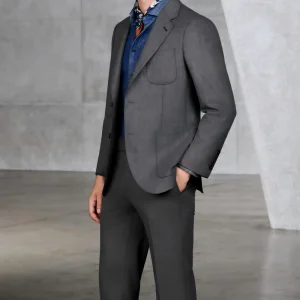
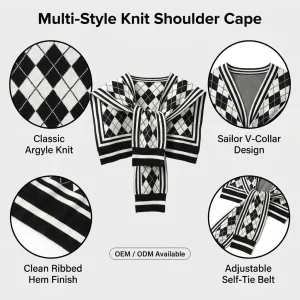
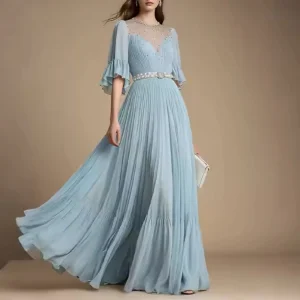
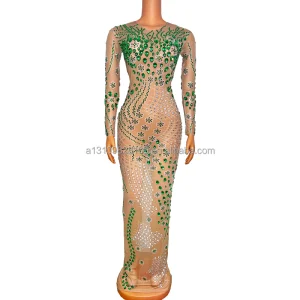
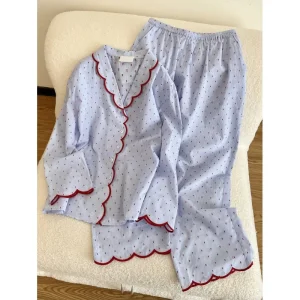
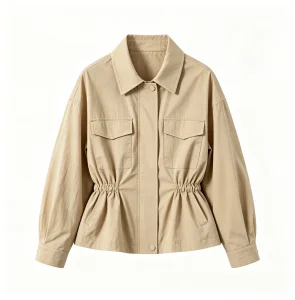
Faber Fashion focuses on a wide range of women's apparel, including dresses, tops, blouses, skirts, trousers, outerwear, and seasonal fashion collections. The company keeps up with international fashion trends and integrates modern design aesthetics with practical wearability, ensuring each collection meets the demands of different markets such as Europe, North America, and the Middle East.
With advanced production facilities and a skilled manufacturing team, Guangzhou Faber Fashion Co., Ltd. maintains strict quality control at every stage of production. From fabric inspection to final garment finishing, every detail is carefully monitored to ensure consistency, durability, and premium craftsmanship.
The company is committed to flexible manufacturing services, supporting both small-batch customization and large-scale wholesale production. Its efficient supply chain system enables fast turnaround times while maintaining competitive pricing for global clients.
By combining innovation, quality, and reliability, Faber Fashion has built long-term partnerships with international fashion buyers. The company continues to expand its global presence as a trusted Women's Clothing Manufacturer and Fashion Apparel OEM & ODM Factory, dedicated to delivering stylish, high-quality, and market-ready apparel solutions worldwide.
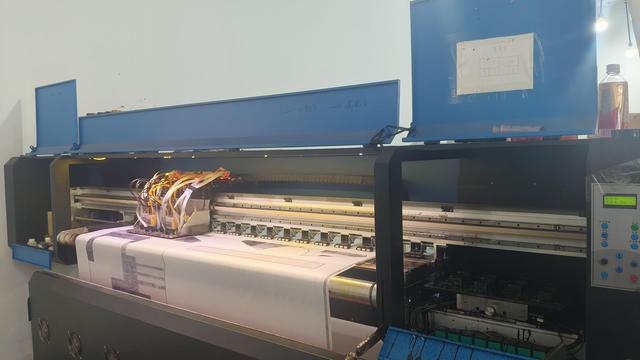
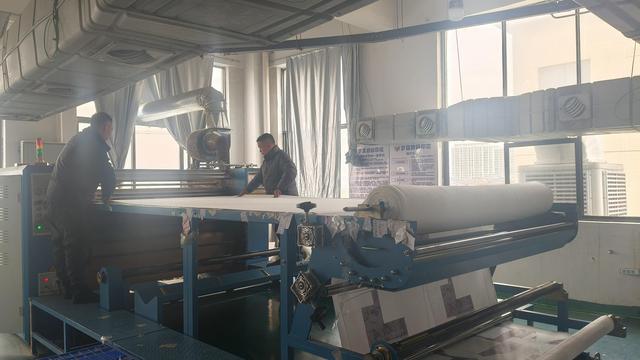
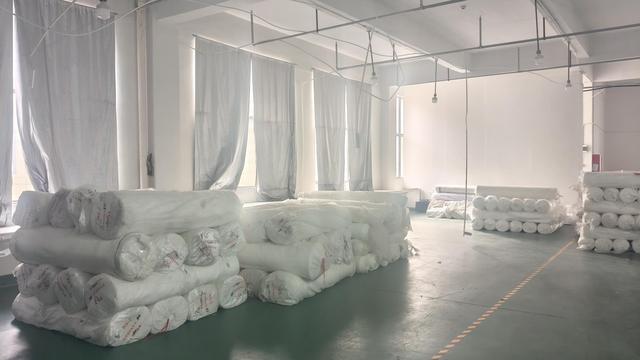
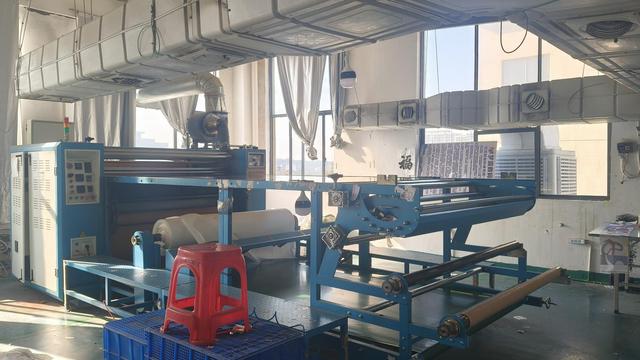
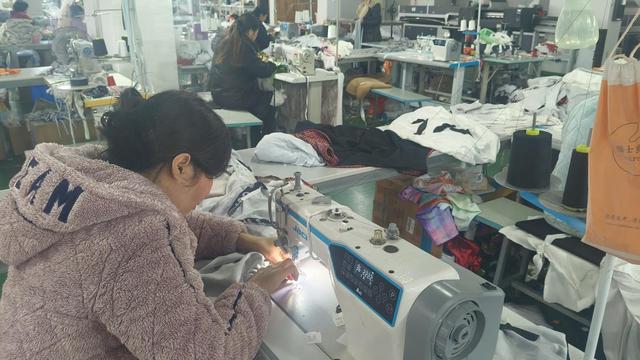
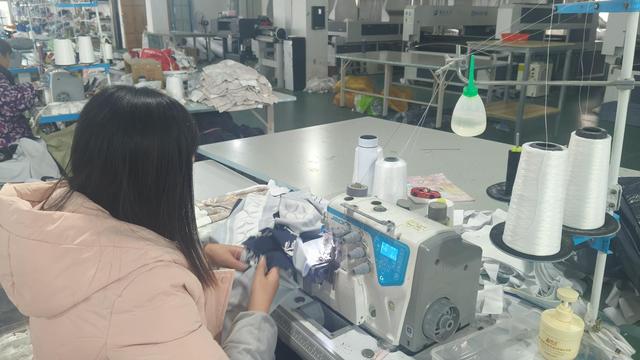
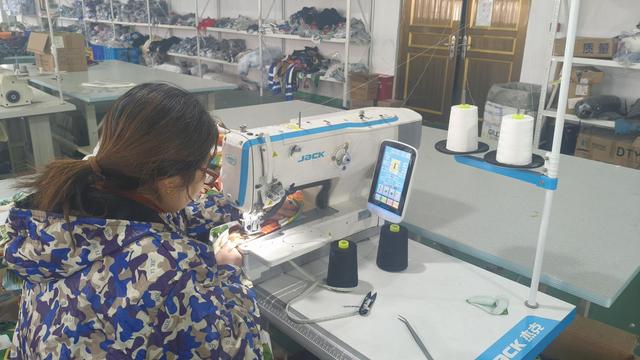
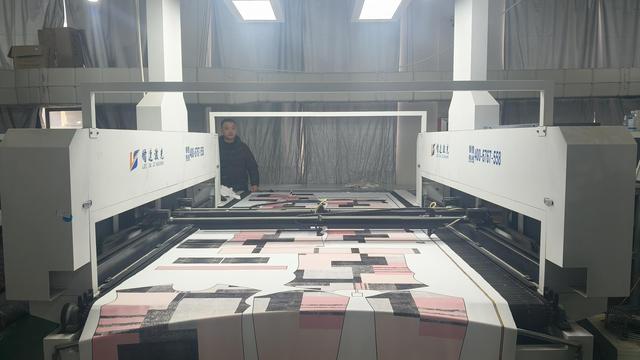
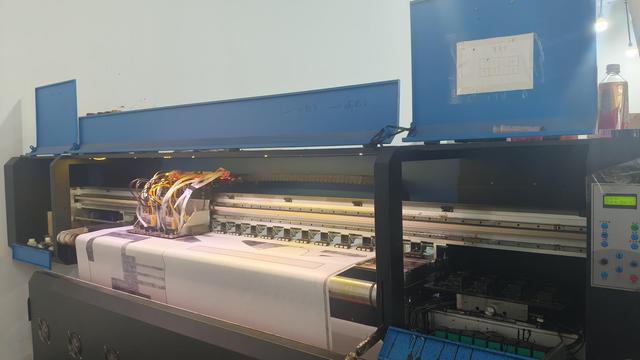
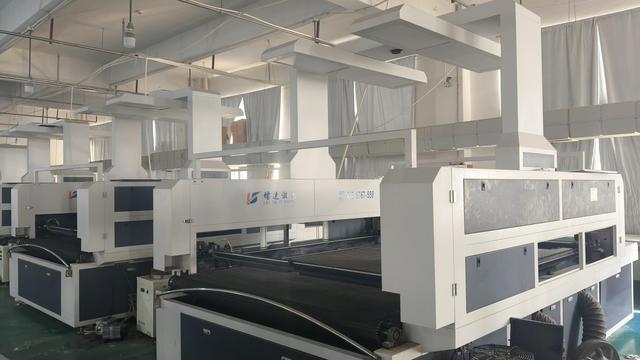
The integration of clean technologies with digitized management models is shaping the future of industrial garment factories. Moving beyond simple recycled fabric options, the roadmap for leading factories involves end-to-end data transparency:
Regulatory alignment is a critical requirement for modern supply chains. Wholesale exports must satisfy rigorous chemical testing parameters under REACH and TSCA, alongside labor auditing standards like SMETA (Sedex) or BSCI.
By implementing localized regulatory support offices, verified partners like Faber Fashion assist international brands with custom-clearance documentation, country-of-origin verification audits, and chemical verification certifications, providing a resilient supply chain in today's demanding regulatory environment.



 Faber Fashion