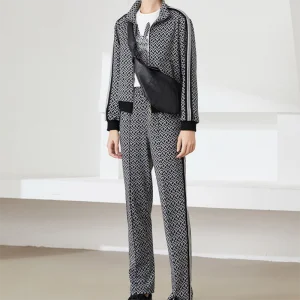
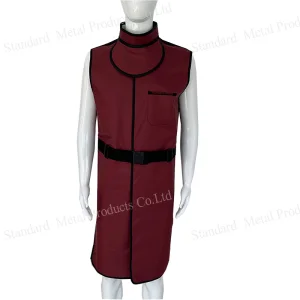
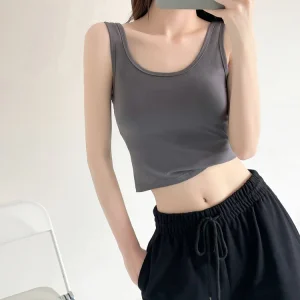
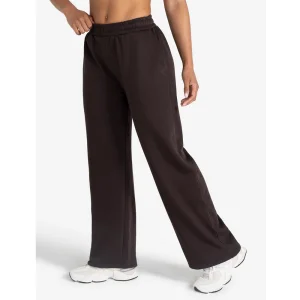
Premium fabrications, specialized wear, and tailored designs engineered for international trade demands.
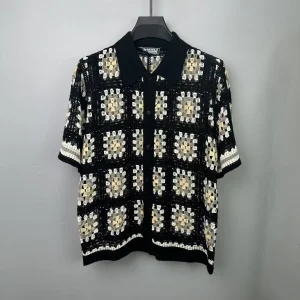
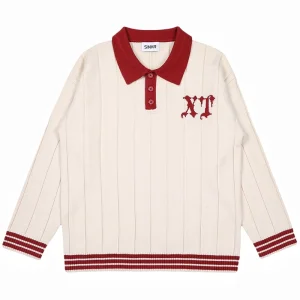
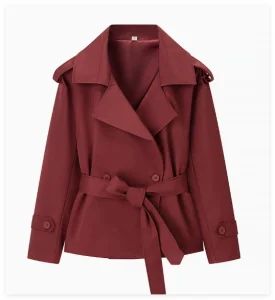
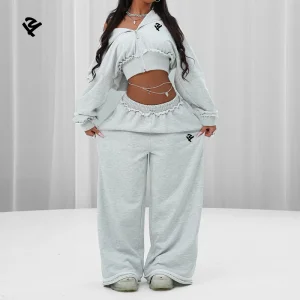
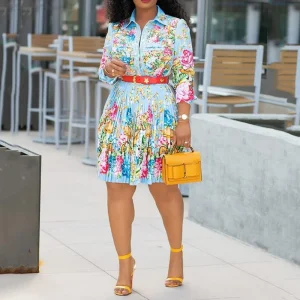
Understanding the transition from casualwear to hybrid lifestyle apparel: A high-level overview of global market dynamics.
Over the last decade, the international fashion market has witnessed a paradigm shift. What once was categorized strictly as indoor sleepwear or basic athletic garments has evolved into a multi-billion dollar category: Lounge Wear & Athleisure. Driven by flexible working arrangements, a heightened emphasis on holistic personal wellness, and the dissolution of formal workplace dress codes, global demand has surged exponentially.
Modern consumers demand versatility. A single piece of apparel must now perform across multiple contexts: remote working video conferences, light outdoor activities, travel, and domestic relaxation. As a consequence, high-end global brands, digital native direct-to-consumer (DTC) players, and bulk wholesalers are repositioning their pipelines to source garments that balance high-performance fabric tech with high-end style design.
China, particularly the Pearl River Delta industrial cluster, has solidified its position as the premier global supply node for this hybrid apparel category. Through advanced vertical integration, state-of-the-art synthetic and organic fabric blending mills, and highly automated production processes, manufacturers in China deliver unparalleled scalability and design versatility.
Guangzhou Faber Fashion Co., Ltd. is a professional women’s clothing manufacturer and fashion apparel supplier based in Guangzhou, China. The company specializes in designing, producing, and exporting high-quality women’s garments for global fashion brands, wholesalers, and retailers. With strong OEM and ODM capabilities, Faber Fashion provides full-service solutions from concept development, fabric sourcing, pattern making, sampling, to mass production and global delivery.
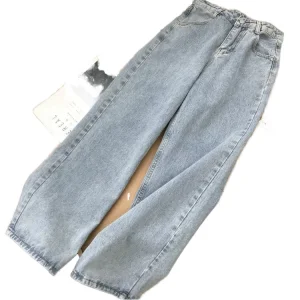
Faber Fashion focuses on a wide range of women’s apparel, including dresses, tops, blouses, skirts, trousers, outerwear, and seasonal fashion collections. The company keeps up with international fashion trends and integrates modern design aesthetics with practical wearability, ensuring each collection meets the demands of different markets such as Europe, North America, and the Middle East.
With advanced production facilities and a skilled manufacturing team, Guangzhou Faber Fashion Co., Ltd. maintains strict quality control at every stage of production. From fabric inspection to final garment finishing, every detail is carefully monitored to ensure consistency, durability, and premium craftsmanship.
The company is committed to flexible manufacturing services, supporting both small-batch customization and large-scale wholesale production. Its efficient supply chain system enables fast turnaround times while maintaining competitive pricing for global clients. By combining innovation, quality, and reliability, Faber Fashion has built long-term partnerships with international fashion buyers.
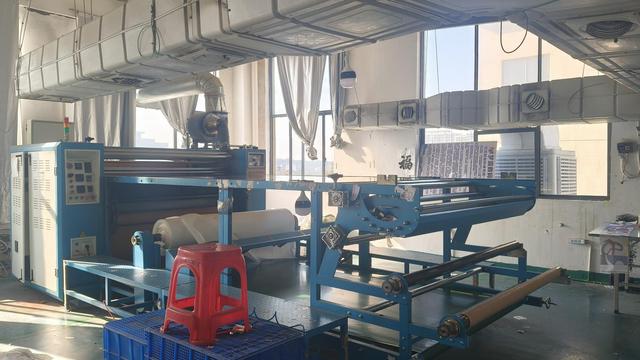
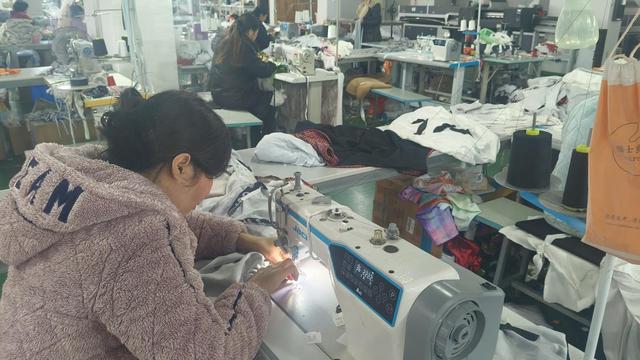
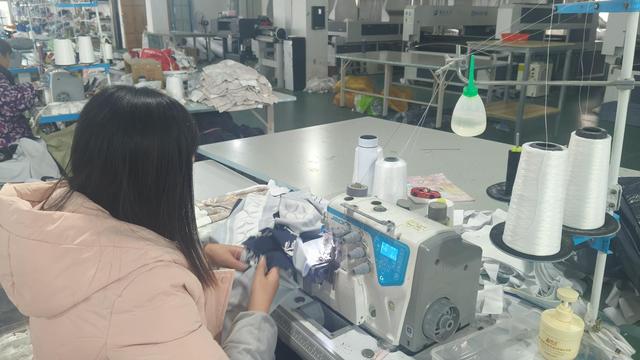
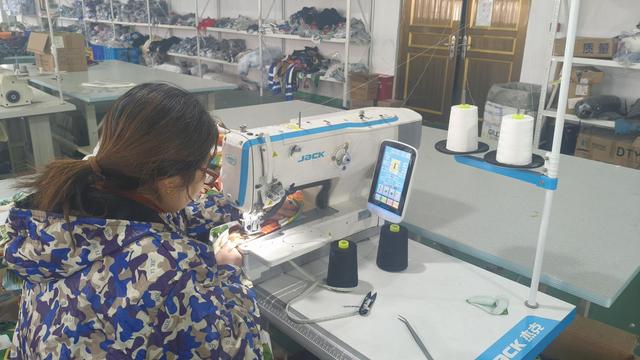
Visualizing our raw material processing, high-volume production floors, and rigorous quality inspection units.
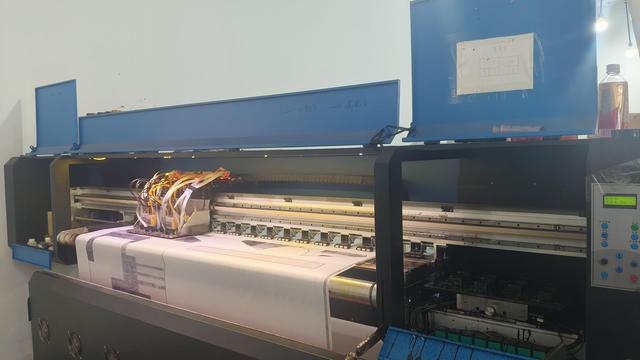
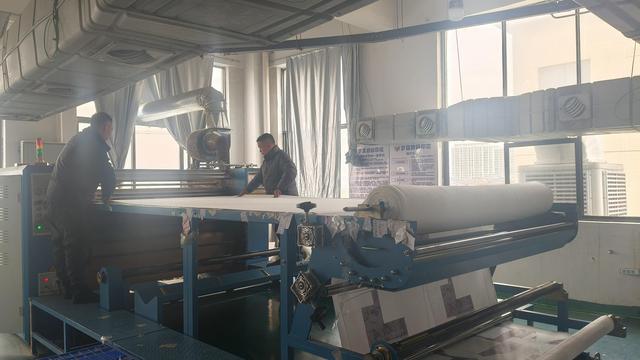
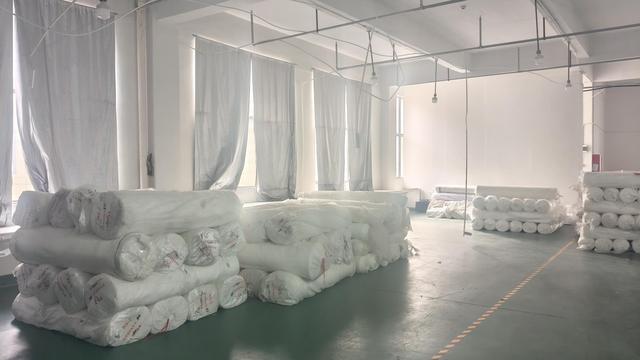
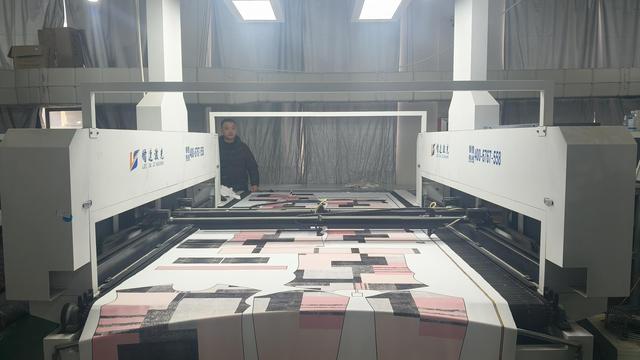
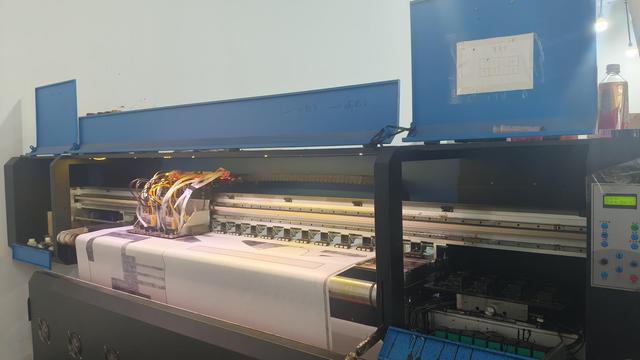
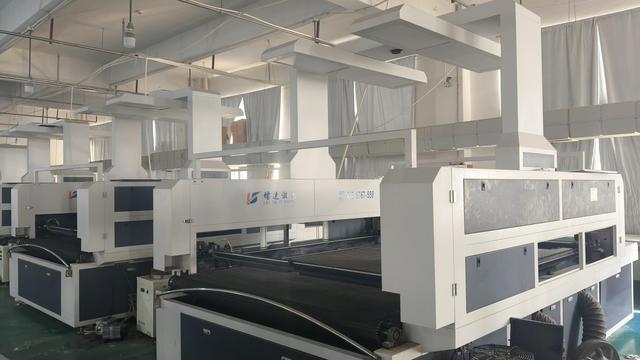
The technical blueprint behind high-performance loungewear fabrication, weaving techniques, and structural optimization.
Future iterations of leisurewear rely heavily on advanced polymer structures. We integrate micro-encapsulated phase change materials (PCMs) that absorb, store, and release heat for optimal thermal comfort. By combining bamboo-derived viscose with recycled elastane, we construct textiles that exhibit active moisture transport away from the skin surface.
As international regulatory frameworks enforce rigid carbon disclosure metrics, our production line prioritizes dry-spun eco-friendly yarns, water-less dyeing processes, and post-consumer recycled polyester blends. We are actively reducing VOC outputs across our finishing units to align with OEKO-TEX Standard 100 compliance protocols.
Leveraging high-end CAD frameworks and 3D virtual draping models, we simulate garment performance under simulated stress parameters prior to layout cutting. This minimizes fabric waste, increases pattern precision, and optimizes structural seam comfort—vital metrics for top-tier retail brands seeking returns minimization.
Addressing regulatory and demographic nuances across core international consumption corridors.
Demand in the US and Canada focuses heavily on size-inclusive design parameters (e.g., curvy and plus-size configurations) and heavy-weight cotton blends suited for local climate transitions. Sourcing structures must prioritize rapid delivery to capture fast-moving social commerce trends.
European Union buyers operate under strict chemical limitation codes (REACH compliance). Sustainability certifications, biodegradable compostable fibers (such as Lenzing Modal), and transparent labor practices within the manufacturing node are key procurement prerequisites.
Markets in the GCC region require high-density, smooth-hand feel materials (satin structures, specialized silk blends, double-layer gauzes) that maintain luxury aesthetics while providing lightweight cooling attributes under warm climates.
Critical operational parameters resolved for global purchasing managers and brand supply directors.
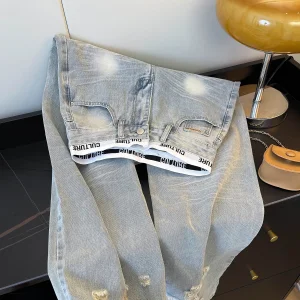
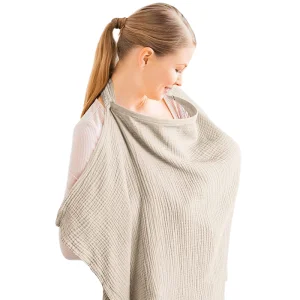
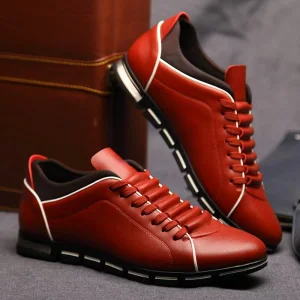
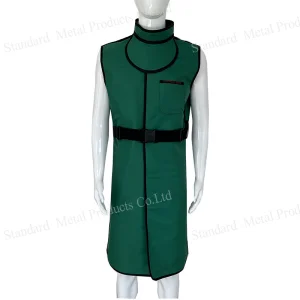
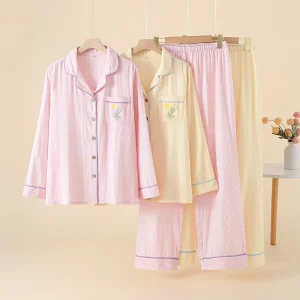
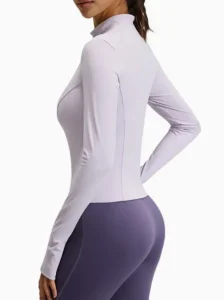
A diverse portfolio demonstrating superior production agility across multiple apparel categories.
 Faber Fashion