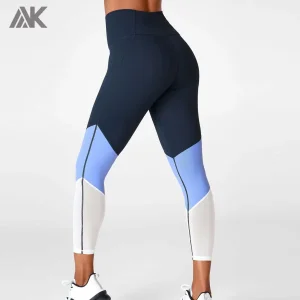
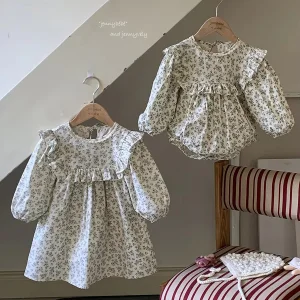
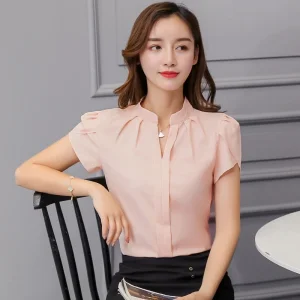
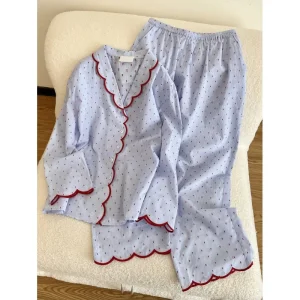
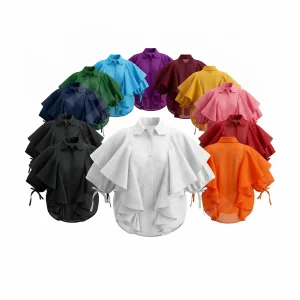
Explore our top-tier industrial fabric and athletic wear solutions, tailored for international quality expectations and certified under relevant CE standards.
The global sports apparel and activewear market is experiencing an unprecedented structural evolution. Valued at over $380 billion, the sector is no longer driven purely by aesthetic appeal or casual comfort. Instead, the convergence of consumer habits—propelled by health consciousness, flexible remote workforces, and the institutionalization of fitness—has transformed high-performance activewear into a critical technical product segment. To compete effectively on retail shelves in regions like the European Union and North America, modern gear must comply with strict criteria regarding material safety, durability, and user protection.
Within this ecosystem, the demand for CE certified athletic gear factories and suppliers has surged. The CE marking, while historically associated with electrical machinery and clinical devices, applies deeply to modern protective sportswear, ergonomic equipment, and active safety wearables. Brands importing athletic apparel into the EU face extensive compliance checks to ensure textiles do not contain restricted chemicals, skin sensitizers, or hazardous structural designs. Consequently, top-tier factories have updated their assembly lines to meet rigorous EN and ISO criteria, bridging the gap between sheer style and complex consumer protection.
Achieving compliance in the athletic gear industry requires adherence to specific European harmonized standards. Sourcing teams must distinguish between general textile apparel and specialized protective gear, the latter falling under the Personal Protective Equipment (PPE) Regulation (EU) 2016/425. This classification covers critical athletic products such as:
A certified factory must run continuous fabric testing on colorfastness, shrinkage, tensile strength, and skin compatibility. These rigorous processes assure brand owners that their outsourced products can withstand strenuous athletic usage while meeting all relevant legal frameworks.
The manufacturing process for high-end athletic apparel has transitioned from traditional cutting-and-sewing to material science and high-tech textile engineering. Leading global factories utilize several key innovations to deliver elite-level performance garments:
Utilizing cross-section synthetic fibers (such as Coolmax or specialized polypropylene blends) designed to pull perspiration away from the skin, accelerating evaporation and keeping athletes cool.
Circular and flat seamless knitting eliminates traditional seams, minimizing friction against the skin, reducing fabric waste during production, and maximizing elasticity.
Integrating GRS (Global Recycled Standard) certified polyester made from post-consumer PET bottles, alongside organic cotton and bamboo blends, satisfying green procurement directives.
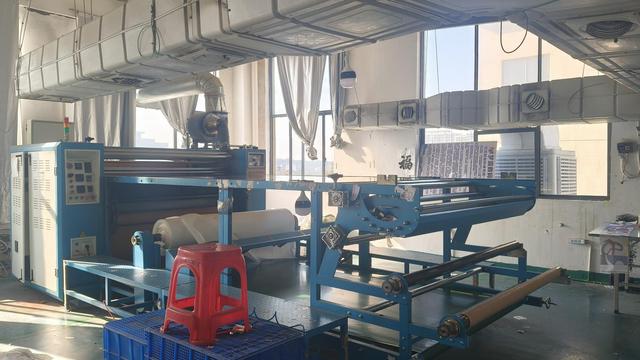
In addition, advanced technical activewear relies on smart coatings like anti-microbial treatments (using silver-ion or organic alternatives), hydrophobic applications, and built-in UV blocking (UPF 50+). These features require advanced factory machinery and skilled laboratory testing, areas in which professional OEMs specialize.
Managing a global apparel brand requires navigating complex trade and supply chain dynamics. Changes in import tariffs, fluctuating shipping rates, and shifting consumer preferences require agile production partners. Modern manufacturers offer comprehensive services to simplify this process:
Connecting Premium Women's Apparel Engineering with Versatile Global Supply Chain Capabilities.
Guangzhou Faber Fashion Co., Ltd. is a professional women’s clothing manufacturer and fashion apparel supplier based in Guangzhou, China. The company specializes in designing, producing, and exporting high-quality women’s garments for global fashion brands, wholesalers, and retailers. With strong OEM and ODM capabilities, Faber Fashion provides full-service solutions from concept development, fabric sourcing, pattern making, sampling, to mass production and global delivery.
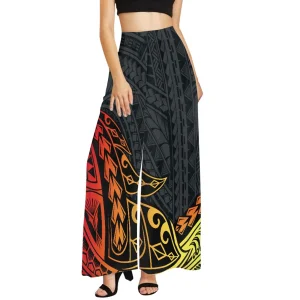
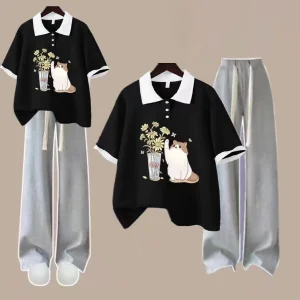
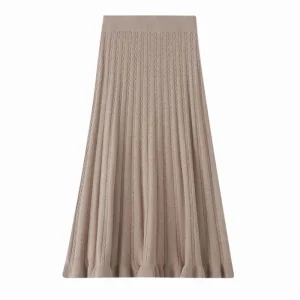
Faber Fashion focuses on a wide range of women’s apparel, including dresses, tops, blouses, skirts, trousers, outerwear, and seasonal fashion collections. The company keeps up with international fashion trends and integrates modern design aesthetics with practical wearability, ensuring each collection meets the demands of different markets such as Europe, North America, and the Middle East.
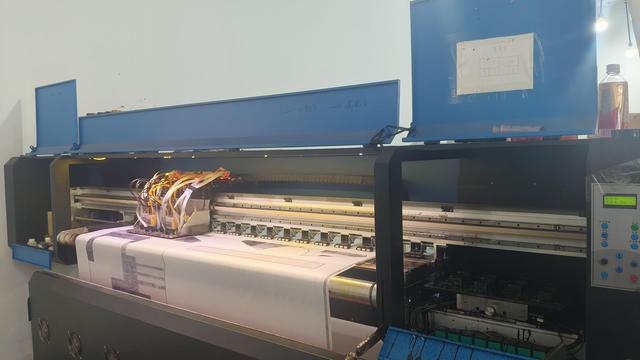
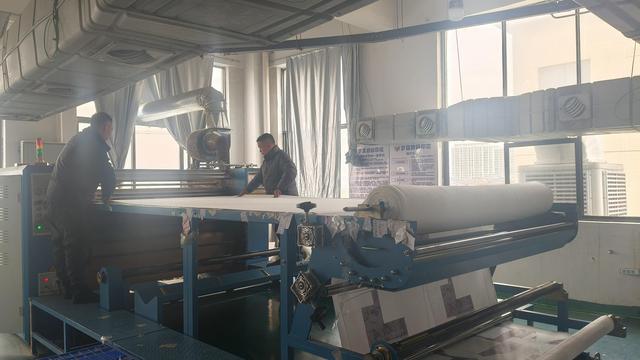
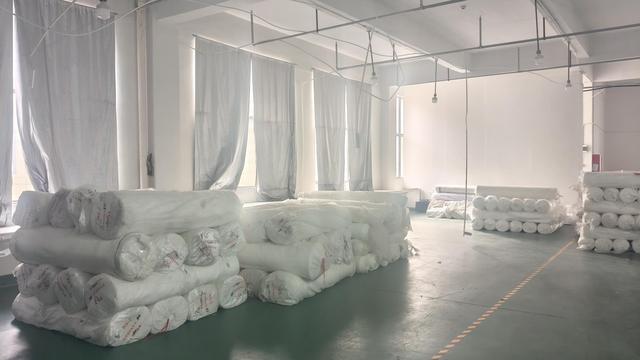
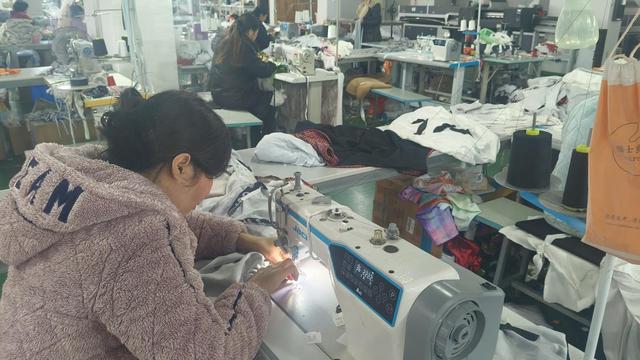
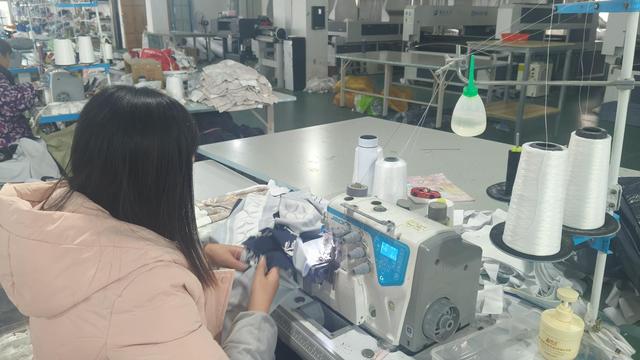
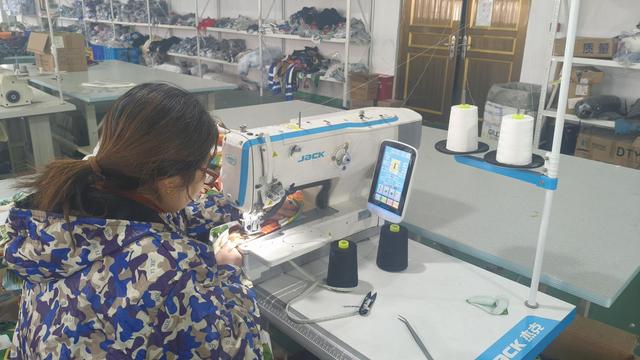
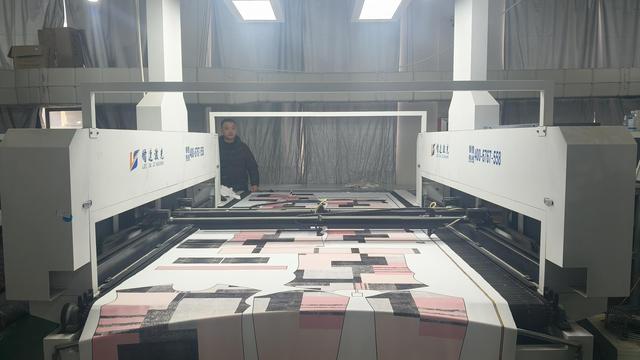
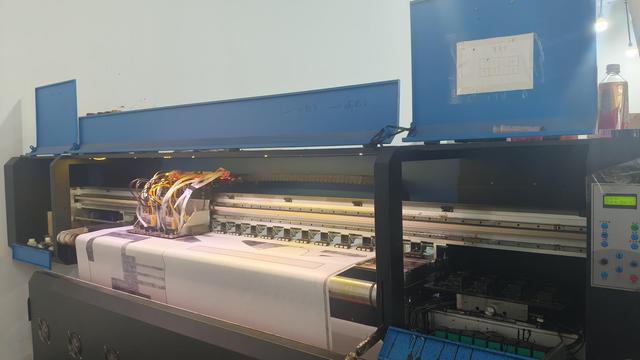
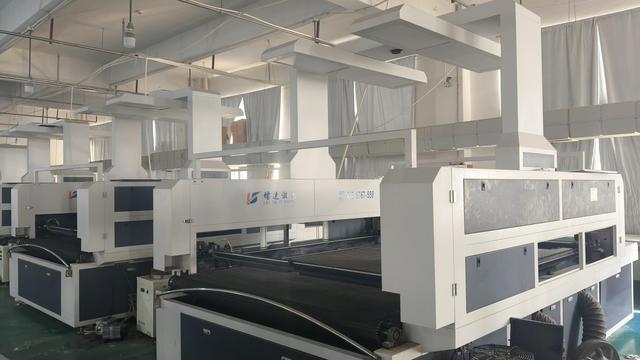
With advanced production facilities and a skilled manufacturing team, Guangzhou Faber Fashion Co., Ltd. maintains strict quality control at every stage of production. From fabric inspection to final garment finishing, every detail is carefully monitored to ensure consistency, durability, and premium craftsmanship. The company is committed to flexible manufacturing services, supporting both small-batch customization and large-scale wholesale production. Its efficient supply chain system enables fast turnaround times while maintaining competitive pricing for global clients.
By combining innovation, quality, and reliability, Faber Fashion has built long-term partnerships with international fashion buyers. The company continues to expand its global presence as a trusted Women’s Clothing Manufacturer and Fashion Apparel OEM & ODM Factory, dedicated to delivering stylish, high-quality, and market-ready apparel solutions worldwide.
Get expert answers regarding industrial compliance, activewear performance testing, OEM capacity, and global delivery guidelines.
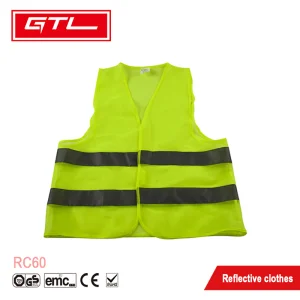
In athletic wear, CE certification indicates that a product complies with the European Union's safety, health, and environmental protection standards. It is required for protective sportswear, high-visibility clothing, and impact-resistant gear under PPE Regulation (EU) 2016/425, ensuring safety during physical activities.
Standard activewear without specific protective claims does not require a CE mark. However, they must still comply with REACH regulations concerning chemical safety, azo dyes, and skin irritants. Professional athletic gear factories keep their material selections aligned with these regulations to support smooth import processes.
We employ an end-to-end quality assurance system. This includes inline fabric testing (GSM validation, elongation recovery, color fastness) and final inspections before packaging. This systematic approach ensures that every batch meets our clients' technical requirements.
High-performance sportswear generally utilizes high-density nylon-spandex or polyester-elastane blends ranging from 220 GSM to 300 GSM. These materials offer four-way stretch, moisture wicking, and durability, making them suitable for intense physical training.
Yes, our comprehensive ODM services support private labeling, custom tags, branded packaging, and high-durability heat-transfer or silicone printing. These details are designed to maintain their appearance and elasticity over long-term athletic use.
Sampling and prototyping generally take 7 to 10 days once design files are confirmed. Mass production orders are typically processed within 25 to 45 days, depending on the design complexity and fabric availability.
We work with verified yarn suppliers who provide material certification sheets (such as OEKO-TEX Standard 100 or GRS). We also coordinate third-party testing with agencies like SGS or Intertek to verify compliance for specific bulk orders as required.
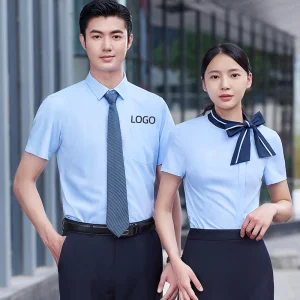
From comfortable sleepwear and casual uniforms to high-visibility safety clothing, our manufacturing capabilities serve diverse global market sectors.
 Faber Fashion