As fashion evolves, understanding what clothing styles are trending this year becomes essential for consumers. Industry experts highlight the importance of staying ahead of trends. Fashion analyst Jessica Taylor notes, "Keeping up with current trends means understanding what resonates with today's shoppers." Recent reports indicate that 2023 has brought several notable styles to the forefront.
One key trend is the resurgence of Y2K fashion, alongside a growing interest in sustainable materials. According to the Global Fashion Report, sustainable clothing sales have increased by 30% this year. This shift indicates a consumer desire for responsible practices in the fashion industry. However, it also raises questions about economic accessibility, prompting a reflection on inclusivity in fashion choices.
The rise of athleisure continues to dominate wardrobes, catering to comfort and versatility. As consumers seek styles that blend function and fashion, retailers must adapt to these changing preferences. Yet, not every trend will suit everyone, leading to a space for individual expression within broader movements. Engaging with trends is a balancing act, essential for finding the right pieces that align with personal style and values.
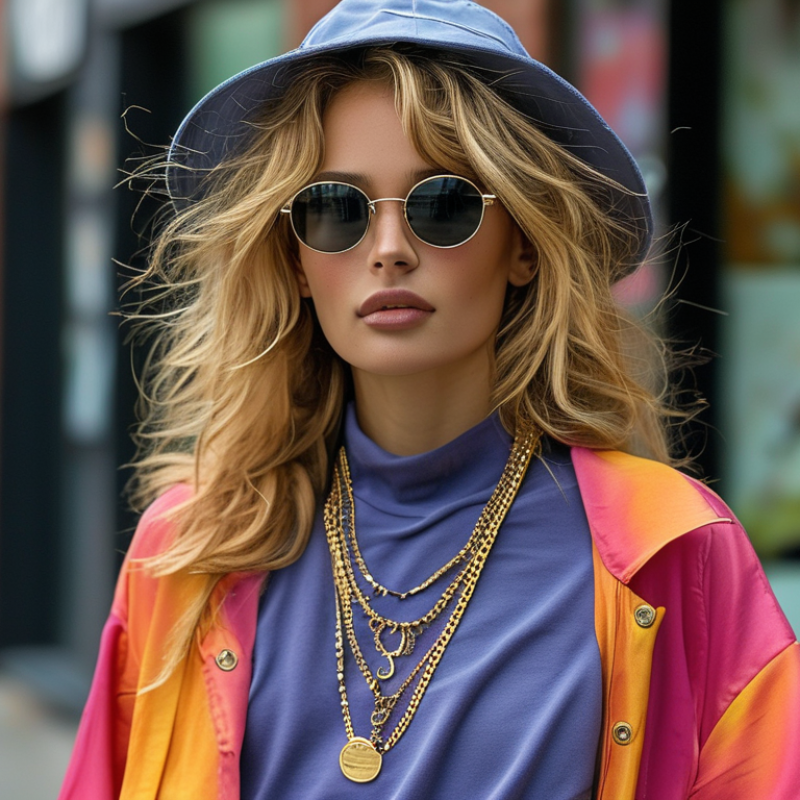
In 2023, clothing styles are evolving rapidly, shaped by cultural shifts and consumer preferences. A data-driven look at current trends reveals an emphasis on comfort and individuality. Casual wear isn't just a pandemic holdover; it's now a staple in many wardrobes. The rise of loungewear indicates that people prioritize relaxation alongside style. Soft fabrics and relaxed fits dominate the scene, often worn for both home and social occasions.
Sustainability remains a focal point in fashion. More consumers are choosing eco-friendly materials. This shift reflects a growing awareness of environmental impact. However, the challenge lies in balancing style with sustainability. Many brands struggle to produce clothing that meets both criteria effectively. Vintage and thrift shopping also gained momentum, leading to unique personal styles. Yet, this trend can sometimes exclude those who lack access to thrift stores.
Data insights point to increasing diversity in fashion choices. Bold patterns and color combinations are in demand. Yet, an overemphasis on following trends can lead to a lack of personal expression. Consumers may feel pressured to conform rather than explore their own tastes. Fashion must remain an avenue for self-discovery, not merely a checklist of what’s "in." Finding a personal style requires critical reflection and sometimes, a little trial and error.
: In 2023, casual wear and loungewear are leading trends. Comfort and individual expression are key.
Sustainability is vital due to environmental concerns. Consumers want eco-friendly materials to reduce impact.
Look for materials like organic cotton and Tencel. Check if brands emphasize transparency in their sourcing.
Many brands struggle to combine style and eco-friendliness. Finding the right balance can be tough.
Vintage and thrift shopping have become trendy. However, not everyone has access to thrift stores.
Pressure to follow trends can hinder personal expression. It may lead to conformity instead of individual style.
Social media boosts awareness of sustainability. Brands that share their efforts often gain more consumer interest.
Some brands exaggerate their eco-friendly initiatives. Consumers need to research claims before making purchases.
Personal style allows for self-discovery. It requires reflection and often involves trial and error.
The circular economy focuses on extending the life of clothes. Buying second-hand can reduce carbon footprints effectively.
In 2023, fashion is characterized by a vibrant fusion of styles, with consumers increasingly seeking pieces that reflect their values and lifestyles. When pondering what clothing styles are trending this year, data indicates a significant shift towards sustainable fashion, with eco-friendly choices gaining popularity. Seasonal styles that resonate with comfort and versatility are also dominating the market, appealing to consumers looking for investment-worthy pieces.
Furthermore, the rise of athleisure highlights a transformative approach where comfort is seamlessly integrated into daily wear, proving that practicality can coexist with high fashion. Additionally, insights into popular fabric choices reveal their substantial impact on sales, showcasing the balance between aesthetic appeal and sustainable options. Overall, 2023 is shaping up to be a year where individual expression and responsible fashion coalesce, guiding consumers in their purchasing decisions.

 Faber Fashion