Clothing care is essential for longevity and appearance. Many people wonder, "why do some clothes fade after washing?" This question highlights a common issue that frustrates many. Fading can turn vibrant colors dull, diminishing the joy of wearing a favorite outfit.
Understanding why clothes fade requires insight into fabric composition and chemical reactions during washing. Factors like washing temperature, detergent choice, and even water quality play a significant role. For instance, some detergents contain chemicals that can strip color. Additionally, hot water can weaken fabric dyes.
Preventing fading is achievable with proper techniques. Washing in cold water is one effective strategy. Using color-safe detergents can help preserve hues. Moreover, turning clothes inside out and avoiding sunlight during drying can also protect colors. Each step may seem small, but collectively, they can make a significant difference. Adjusting habits can rekindle the vibrancy of cherished clothes, ensuring they remain fresh and lively for longer.
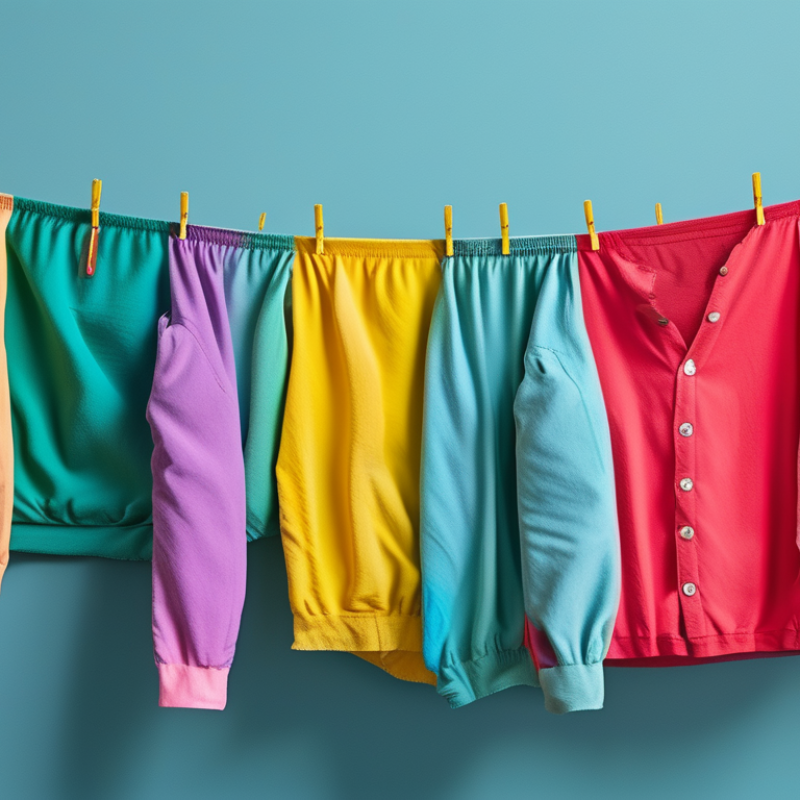
Fabric fading after washing is a common issue that many people face. According to a study by the American Association of Textile Chemists and Colorists, around 30% of consumers report noticeable fading after just a few washes. This fading can result from multiple factors, including the fabric type and dye used. Natural fibers like cotton tend to fade faster than synthetic materials. The quality of dyes also plays a crucial role; low-quality dyes can wash out and lose vibrancy.
Washing temperatures significantly impact color retention. High temperatures can break down dye bonds, leading to accelerated fading. Additionally, exposure to sunlight during drying can weaken colors. A report from the International Textile and Apparel Association shows that clothes dried outdoors fade 20% faster compared to those dried in the shade. Using harsh detergents can further exacerbate this problem, especially those containing bleach or strong chemicals.
Proper care can mitigate fading. Cold water washes preserve colors better than hot ones. Also, turning garments inside out before washing protects the outer layer. However, many consumers overlook these steps, leading to fading. Understanding these factors is essential for maintaining the vibrancy of clothing over time. Fading is often a result of combined elements, and recognizing them can help in making informed choices.
The temperature of water used in laundry significantly impacts color retention in clothes. Hot water can break down fabric fibers, leading to color fading. A study by the American Association of Textile Chemists and Colorists found that washing clothes in cold water can reduce fading by up to 50%. This is crucial for anyone who values the lifespan of their garments.
Many people overlook the importance of water temperature. Using warm or hot water for bright colors can lead to dull and lifeless fabrics. Interestingly, fabrics like cotton and denim tend to retain color better when washed in cooler settings. If unsure, always refer to fabric care labels for guidance on recommended washing temperatures.
To prevent fading, consider a few practical tips. Wash clothes in cold water whenever possible. Add a mild detergent that emphasizes color protection. Avoid overloading your washing machine, as this can lead to inadequate cleaning and increased friction. Air drying is another effective method; it reduces exposure to heat that can fade colors. Making these small changes can help maintain the vibrancy of your favorite clothes over time.
Choosing the right detergents is crucial for maintaining the vibrant colors of your clothes. Many people overlook this detail, leading to faded garments after repeated washing. Opting for gentle, color-safe detergents can significantly reduce color loss. These formulations are designed to protect dyes while effectively cleaning fabrics.
It's tempting to use strong detergents for tough stains, but this choice may cause more harm than good. Harsh chemicals can break down color molecules, leading to fading. When you wash colored clothes, consider using cold water. Hot water can expedite the fading process. Additionally, using shorter wash cycles can minimize wear on fabrics.
While it may seem easier to toss everything into one load, sorting laundry by color is essential. Dark and light items should be washed separately. This small step can make a big difference. Remember that laundering isn't foolproof. Even the best detergents may yield mixed results. Regular inspection of clothes can help manage fading issues effectively.
| Fabric Type | Color Retention | Recommended Detergent | Washing Temperature | Washing Tips |
|---|---|---|---|---|
| Cotton | Moderate | Color-safe detergent | Cold | Turn inside out before washing |
| Polyester | High | Gentle detergent | Warm | Wash with similar colors |
| Silk | Low | Mild detergent | Cold | Hand wash or delicate cycle |
| Wool | Moderate | Wool detergent | Cold | Avoid agitating |
| Denim | Moderate | Color-preserving detergent | Cold | Wash with vinegar to set color |
Washing colored clothes often leads to fading. Understanding best practices can help maintain their vibrancy. One critical tip is to turn clothes inside out before washing. This simple step minimizes friction against other garments, preserving the outer color.
Choosing the right water temperature is essential. Cold water is gentler on fabrics and dyes. Hot water can lead to faster fading. Another effective practice is to use a mild detergent, designed for color protection. These detergents help retain the dye longer and reduce fading.
Furthermore, avoid overloading the washing machine. This can create friction, leading to more color loss. Instead, wash smaller loads for better care. After washing, air-dry clothes away from direct sunlight. Sun exposure can accelerate fading significantly. Implementing these tips can keep your colored clothes looking fresh and vibrant for a longer time.
Drying clothes properly can make a significant difference in preserving color vibrancy. Direct sunlight often causes fabrics to fade quickly. Ultraviolet rays strip away color, leading to a dull appearance. Instead of hanging clothes outside in direct light, consider finding a shaded area. Indoors, use a well-ventilated space. A fan can help circulate air and speed up drying without harsh light exposure.
Using a dryer? Select a low heat setting. High temperatures can also lead to fading. Additionally, dry clothes in small batches. This approach reduces friction and helps maintain the colors better. Avoid overcrowding the dryer. Clothes can rub against each other, causing wear and fading over time.
It's important to note that even with these precautions, some colors may still fade over time. Fabrics made with bright dyes might be more susceptible. Regular care and attention can minimize these effects, but it won't entirely stop them. The journey to keep clothes vibrant requires trial and observation. Finding the best methods may take time, and that’s part of the learning process.
: Fabric fading can happen due to the type of fabric, dye quality, and washing conditions.
Yes, natural fibers like cotton tend to fade faster than synthetic materials.
High washing temperatures can break down dye bonds, leading to quicker fading of colors.
Yes, drying clothes under direct sunlight can cause them to fade significantly faster.
Harsh detergents, especially those with bleach, can cause further fading of colored garments.
Turning clothes inside out and using cold water can help maintain their brightness during washing.
Smaller loads are better to minimize friction and protect colors.
Air drying in the shade helps preserve colors better than drying in direct sunlight.
Mild detergents can protect colors and help retain dye longer, reducing fading.
Many overlook turning clothes inside out and washing with cold water, which accelerates fading.
The article "Why Do Some Clothes Fade After Washing? Tips to Prevent It" explores the various factors that contribute to fabric fading during the washing process. It begins by examining the underlying causes of color loss, including the nature of the dyes used and the impact of washing methods. One significant aspect discussed is how water temperature can influence color retention, with recommendations for optimal settings to preserve brightness.
Moreover, the article highlights the importance of selecting suitable detergents that are gentle on colors, as well as best practices for washing colored garments to maintain their vibrant appearance. Finally, it offers practical tips for drying clothes, emphasizing techniques that help minimize fading and extend the life of your garments. By understanding these elements, readers can effectively address the question of why do some clothes fade after washing and take steps to keep their wardrobe looking fresh and colorful.

Faber Fashion