Choosing travel clothes is not simply about looking polished in every photograph. It is about balancing comfort, weather, activities, luggage space, and unexpected changes. A reliable packing plan begins with the destination, not the suitcase. Check the forecast, local customs, walking distances, and laundry options before selecting individual pieces.
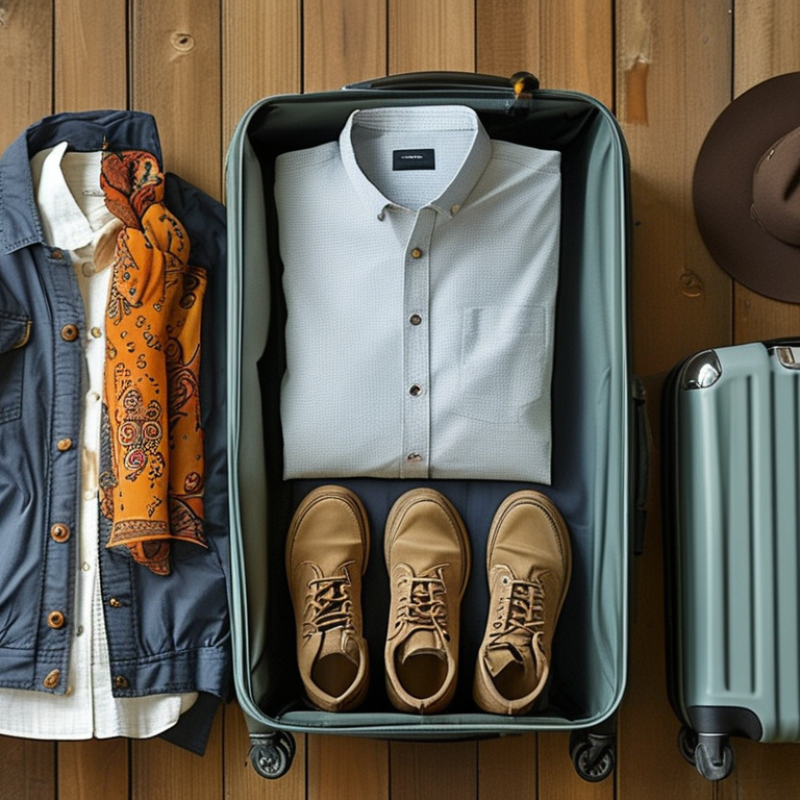
This guide explains how to choose outfits for travel packing through practical, repeatable decisions. Start with a small color palette, such as navy, white, gray, and olive. These colors make shirts, trousers, and jackets easier to combine. Add one distinctive item, perhaps a patterned scarf or lightweight overshirt. It can change the appearance of a simple outfit without filling the bag. Choose breathable layers for warm destinations and pack a compact sweater for cold trains, airplanes, or air-conditioned rooms. Comfortable shoes deserve special attention. A pair tested on long walks is usually more valuable than an attractive pair worn only once.
There is no perfect packing formula. Even experienced travelers sometimes bring too much or forget one useful layer. That is normal. Review each item honestly: Will I wear it twice? Can it match three outfits? Does it dry quickly? These questions reduce clutter and reveal weak choices before departure. A dependable outfit plan should also allow movement, modesty, and personal confidence. The best suitcase is not the fullest one. It is the one that supports real travel, including delays, rain, tired mornings, and plans that change.
Define Travel Needs, Destination Conditions, and Packing Constraints
What Is the Best Way to Choose Outfits for Travel Packing?
Choosing travel outfits starts with defining the trip, not opening the suitcase. A city break may require walking, dining, and changing weather. A remote stay may demand warmth, durability, and quick-drying fabrics. Write down planned activities before selecting clothing. I often overpack “just in case” pieces. They usually remain untouched.
Destination conditions should shape every layer. Check the forecast, humidity, local customs, and expected indoor temperatures. Coastal wind can make a mild day feel cold. Mountain sunlight may feel strong, even when the air stays crisp. Pack breathable layers for temperature changes. Choose shoes for actual surfaces, such as pavement, trails, or wet floors. Test each outfit by walking, sitting, and carrying a small bag. Comfort matters more than appearance. Mostly.
Packing constraints make decisions more practical. Consider luggage space, weight limits, laundry access, and trip length. Select a small color group so each top matches several bottoms. Reserve one flexible outer layer and one reliable pair of shoes. Wrinkle-resistant fabrics can help, but they are not perfect. I once packed a polished shirt that looked tired after one flight. That mistake changed my method. Now I remove anything serving only one unlikely situation. Leave room for weather surprises and essentials needed during transit.
Build a Versatile Travel Capsule Wardrobe
What Is the Best Way to Choose Outfits for Travel Packing?
Build a Versatile Travel Capsule Wardrobe
A versatile travel capsule starts with a short itinerary, not a large suitcase. Choose two neutral bottoms, three tops, one warm layer, and one adaptable outer piece. Each item should create at least three outfits. I test combinations on the floor before packing. A navy trouser can meet a cotton shirt, knit top, or lightweight overshirt. Comfortable walking shoes matter more than a second dress pair. Keep accessories small, such as a scarf, belt, and simple jewelry. They change the outfit without adding much weight.
Research supports buying and using clothing more thoughtfully. The Ellen MacArthur Foundation’s A New Textiles Economy report noted that clothing utilization fell significantly over recent years. WRAP’s Valuing Our Clothes report found that using clothes for nine additional months can reduce their carbon, water, and waste footprints by about 20–30%. A capsule wardrobe can support this longer use when its pieces suit many settings. I once packed only dark colors and regretted it. Photos looked flat, and every outfit felt identical. Now, I add one useful accent color. Not perfect, but better. Before leaving, I check weather, local customs, laundry access, and planned activities. Pack fabrics that dry overnight. Leave one outfit unplanned for weather changes or unexpected dinners. My weak point remains shoes. Two pairs usually become three.
7-Day Travel Capsule Wardrobe: Suggested Item Mix
A practical packing baseline designed to create multiple outfits while keeping luggage compact.
The capsule uses versatile separates: four tops can be rotated across three bottoms, while two outer layers support changing weather. Two pairs of shoes cover everyday walking and slightly dressier occasions without overloading the bag.
Choose Fabrics, Colors, and Layers for Maximum Flexibility
What Is the Best Way to Choose Outfits for Travel Packing?
Choose fabrics that tolerate repeated wear, quick washing, and changing weather. I usually pack one breathable base layer, one wrinkle-resistant shirt, and one light insulating layer. Merino wool manages temperature well, while synthetic blends often dry faster. Cotton feels comfortable, but it can become heavy after washing. Keep it practical.
Textile Exchange reported 124 million metric tonnes of global fiber production in 2023. The same Materials Market Report 2024 projects production could reach 160 million tonnes by 2030. That growth makes careful fabric selection more meaningful. Choose durable pieces and avoid packing “just in case” items. I still overpack socks sometimes. That habit deserves criticism.
Color coordination creates more outfits without adding weight. A small palette of navy, black, cream, and one accent color works across casual and formal settings. Layers should match each other, not only individual outfits. I test combinations on the floor before packing. It exposes awkward colors quickly. IATA’s 2024 passenger forecast estimated 4.7 billion air travelers worldwide, so airports may involve different temperatures, delays, and crowded transfers. Wear your bulkiest layer during transit. Pack a thin scarf or overshirt for quick adjustments. One caveat: climate forecasts can change, and minimalist packing can become uncomfortable. Leave room for judgment, not perfection.
Plan Outfits by Activity, Weather, and Trip Duration
Choosing travel outfits becomes easier when each piece has a clear purpose.
Start with your planned activities, not your suitcase size. Walking tours need supportive shoes, breathable trousers, and a light top. For dinners, add one polished layer that works with the same trousers. I often pack too many “just in case” clothes, and they usually return untouched.
Weather should shape your fabric choices and layering plan. Check the forecast for every destination, including evening temperatures. A warm day can become surprisingly cool near the coast. Pack a thin sweater, a water-resistant outer layer, and socks that dry quickly. Neutral colors help create more combinations, although a small bright accessory can make repeated outfits feel less dull.
Tips:
- Plan one outfit for each full day, then add one spare top and underwear.
- For a three-day trip, two bottoms and three tops may be enough.
- Wear your heaviest shoes during transit.
- Roll softer clothes, but fold structured items to reduce wrinkles.
- Keep toiletries and delicate pieces in separate washable bags.
- I still forget something occasionally, usually sleepwear, so I now check my packing list beside the bed before leaving.
Organize, Test, and Refine Your Packed Travel Wardrobe
Choosing travel outfits works best when you treat packing as a small wardrobe project. Check the forecast, planned activities, and local customs before choosing clothes. A three-day city trip needs different layers than a week of hiking. I usually begin with two neutral bottoms, three tops, one warm layer, and one practical pair of shoes.
Keep it visible.
Lay every item on the bed and build complete outfits, not separate piles. Test each combination by sitting, walking, and reaching overhead. A shirt that looks polished may feel tight after several hours. Take quick photos of the outfits. They make repeated combinations easier to remember during a busy trip.
I once packed a pale top that matched everything but showed every food stain. That mistake changed my approach. Comfort and maintenance matter as much as appearance.
Refine the wardrobe after this trial. Remove duplicate colors, delicate pieces, and anything that needs special care. Add one adaptable layer for cold trains, strong air conditioning, or unexpected rain. Pack frequently used items near the top, and separate clean clothes from worn ones with a simple laundry bag.
Leave a little space for purchases, but do not rely on buying replacements. A written outfit list can reveal gaps before departure. It can also expose overpacking. My own lists still change after each journey, especially when an item remains untouched for several days.
Conclusion
Learning how to choose outfits for travel packing starts with understanding your destination, planned activities, weather conditions, trip length, and luggage limits. Build a small, versatile capsule wardrobe with pieces that coordinate easily and can be worn in different combinations. Select comfortable, durable fabrics that suit the climate, use a practical color palette, and include lightweight layers so you can adapt to changing temperatures. Prioritize clothing that works for multiple settings, from sightseeing and transportation to casual meals and evening activities.
Plan complete outfits before packing by matching them to each day, expected weather, and the purpose of your trip. Repeating key pieces is an efficient way to reduce bulk while maintaining variety. Before leaving, organize everything clearly, test the combinations, and remove items that do not serve a specific need. This process helps you pack more efficiently, avoid overpacking, and create a travel wardrobe that remains comfortable, flexible, and easy to manage throughout your journey.
 Faber Fashion
