In today's fast-paced world, understanding how to match clothes for daily casual wear is essential. According to a report by The Fashion Institute, approximately 65% of people prioritize comfort in their daily outfits. This demonstrates a significant cultural shift towards casual style, reinforcing the need for effective clothing coordination.
Effective clothing matching enhances personal expression while maintaining simplicity. Research by Vogue indicates that 70% of individuals feel more confident when their outfits are well-coordinated. Yet, many struggle to create harmonious looks. Common pitfalls include choosing clashing colors or mixing patterns that don't complement each other. It's important to balance personal style with practicality, which sometimes requires self-reflection and adjustments.
Mastering how to match clothes for daily casual wear can elevate your wardrobe. Look for reliable resources and expert tips to improve your style. Small steps can lead to significant changes. Embrace the journey of discovering what works best for you in casual dressing.
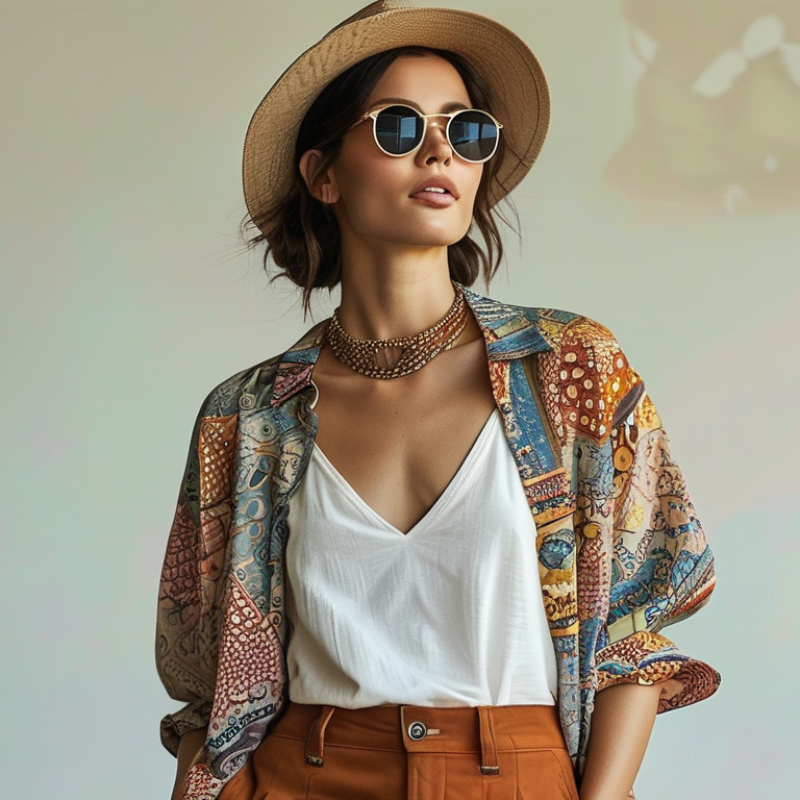
When choosing clothes for casual daily wear, understanding color coordination is key. Colors can influence your mood and style. A well-coordinated outfit can boost confidence. Start by considering the color wheel. Complementary colors, like blue and orange, create a dynamic look. They stand out without clashing. Use neutrals as a base. Colors such as black, white, and gray work well with almost anything.
Textures also play a role in color coordination. Mixing fabrics adds depth to your outfit. A denim jacket can soften a bold shirt. Feel free to experiment with patterns, like stripes or florals. They can bring an unexpected twist to casual wear. Just be cautious with too many patterns. Striking a balance is vital.
A personal reflection is essential in fashion choices. Sometimes, you may choose a color that feels off when worn together. That’s normal and part of the learning process. Don’t hesitate to take notes on what you like and dislike. Fashion is about personal expression. Be willing to rethink your choices. Embrace the journey of figuring out your style.
Selecting the right fabrics for casual daily wear is crucial for comfort and style. According to a report from the Textile World, over 70% of consumers prioritize soft and breathable materials in their everyday clothing choices. Cotton, linen, and bamboo are popular for their comfort and moisture-wicking properties. They allow the skin to breathe, making them ideal for warm weather.
However, not all cotton is created equal. Many consumers overlook that organic cotton is not only softer but also more sustainable. Research shows that organic cotton uses 91% less water than conventional varieties. This can influence choice: comfort linked with environmental responsibility. It's worth considering how our fabric choices impact both our comfort and the planet.
Synthetic fabrics, such as polyester, offer durability and wrinkle resistance. Yet, they can trap heat and moisture. Finding a balance is key. Some casual outfits mix cotton with synthetic blends for both comfort and longevity. The challenge lies in determining what feels best against your skin while reflecting your personal style. Testing different fabrics can lead to surprising discoveries about comfort and fit.
When it comes to daily wear, versatility is key. Mixing and matching outfits can create a unique style without overloading your closet. Start with the basics. A simple white t-shirt is a wardrobe staple. Pair it with tailored jeans for a casual yet polished look. This combination works for errands, lunch dates, or just hanging out.
Layering adds depth to your outfit. A denim jacket or light cardigan can change the vibe completely. Experiment with accessories like scarves or hats. They can make simple outfits much more interesting. Don't hesitate to try unexpected color combinations. A pop of color can lift the mood of a neutral outfit.
However, not every combination will shine. Sometimes, what looks good on the hanger doesn't translate well. Take a moment to reflect on your choices. Ask yourself if the fit complements your body shape. Comfort is equally important. If you cannot move freely, it’s not the right choice. Embrace these imperfections as part of your style journey.
Accessorizing can elevate your casual look in a big way. It's not just about throwing on any accessory; it's about choosing pieces that speak to your personal style. A simple t-shirt and jeans set can transform with the right additions. A statement necklace can add shine, while a chunky bracelet offers a touch of texture. Think about how each accessory changes the overall vibe.
Consider your color palette. Sticking to a complementary color scheme makes your outfit feel cohesive. A brightly colored scarf can invigorate a neutral outfit. Don’t shy away from mixing materials, either. A leather bag paired with a cotton dress creates an interesting contrast. Always remember, it’s about balance. Too many accessories can overwhelm your look. Aim for a few key pieces that resonate with your personality.
Even with careful choices, mistakes happen. Sometimes, an accessory can clash with the outfit. Maybe that trendy hat doesn’t suit the occasion. It’s okay to experiment and adjust. Reflect on what works for you. Fashion is subjective, after all, and finding your unique style is a journey. Use accessories as tools to express and redefine who you are daily. Every choice is a step towards understanding your fashion identity.
| Outfit Components | Examples | Styling Tips |
|---|---|---|
| T-Shirts | Basic white tee, Graphic tee | Pair with jeans or shorts for a relaxed look. |
| Jeans | Skinny jeans, Boyfriend jeans | Choose a fit that complements your body shape. |
| Sneakers | White canvas sneakers, Coloured trainers | Opt for comfortable and versatile options. |
| Accessories | Watches, Hats | Use accessories to add personality to your outfit. |
| Outerwear | Denim jacket, Lightweight bomber | Layer for warmth and style versatility. |
Mixing patterns and textures in your casual wardrobe can create a fresh and dynamic look. Start by choosing a dominant pattern, like stripes or florals. Pair it with a complementary texture to balance the outfit. For example, if you wear a floral shirt, consider denim or a soft knit. This combination adds depth and interest without overwhelming your style.
It's essential to pay attention to color. Stick to a cohesive color palette; this can help tie different patterns together. If your top is colorful, choose neutral bottoms. Alternatively, a patterned bottom can work nicely with a solid top. However, be cautious not to go overboard. Sometimes, simpler pairings can have a more significant impact.
Experimenting with mixed patterns isn't always easy. It might take time to find what flatters you best. Don’t shy away from trying unexpected combinations. Reflect on your choices and learn from them. Every outfit is a chance to express your personality while showcasing your unique flair. Remember, fashion is an evolving journey, so embrace imperfections along the way.
: Start with wardrobe staples. A simple t-shirt paired with tailored jeans works for many occasions.
A denim jacket or light cardigan can completely change your outfit's vibe.
Key accessories like statement necklaces or chunky bracelets can elevate a basic outfit significantly.
Stick to a complementary color scheme for a cohesive feel. A pop of color can add excitement.
Limit yourself to a few standout pieces. Too many accessories can overwhelm any look.
Not everything works. Reflect on the fit and comfort. Adjust and learn from your choices.
Choose a dominant pattern and pair it with a complementary texture. This avoids overwhelming your style.
Absolutely! Experimenting helps you discover what works for you. Embrace the learning process.
Use a cohesive color palette. Neutral bottoms work well with colorful tops or patterned trousers.
Fashion is subjective. Mistakes are part of the journey. Reflect on what works and adjust.
When considering how to match clothes for daily casual wear, it’s essential to start with a solid understanding of color coordination. Choosing complementary shades can enhance your overall look and make outfit assembly more intuitive. Additionally, the right fabrics play a crucial role; opting for materials that offer both comfort and style will keep you feeling great throughout your day.
Versatile outfit combinations can simplify your wardrobe choices, allowing for easy transitions between different daily activities. Key accessories, such as bags and jewelry, can elevate your casual outfits without overpowering them. Finally, don’t shy away from mixing patterns and textures; successfully blending these elements can create a cohesive and visually interesting look. By following these tips, you can master the art of matching clothes for a stylish yet comfortable everyday appearance.

Faber Fashion