Choosing the right colors for your outfits can transform not only your appearance but also your confidence. Research shows that understanding "what colors look best for my skin tone outfits" is essential for personal style. According to color theory expert Dr. Hannah Bright, "Colors that complement your skin tone can elevate your overall look." This underlines the importance of knowing your undertones and selecting colors that enhance your natural beauty.
In a study by the Fashion Institute of Technology, nearly 75% of individuals felt more confident when wearing colors suited to their skin tone. It's not just about personal preference; it's about finding shades that resonate with your complexion. However, many people struggle with this. The fear of making the wrong choice often holds them back.
Experimentation is key. Don't shy away from trying colors outside your comfort zone. It’s essential to reflect on which shades you feel empowered in. Often, a simple change in color can make a significant difference in your overall aesthetic. Choose wisely. Your colors can speak before you even say a word.
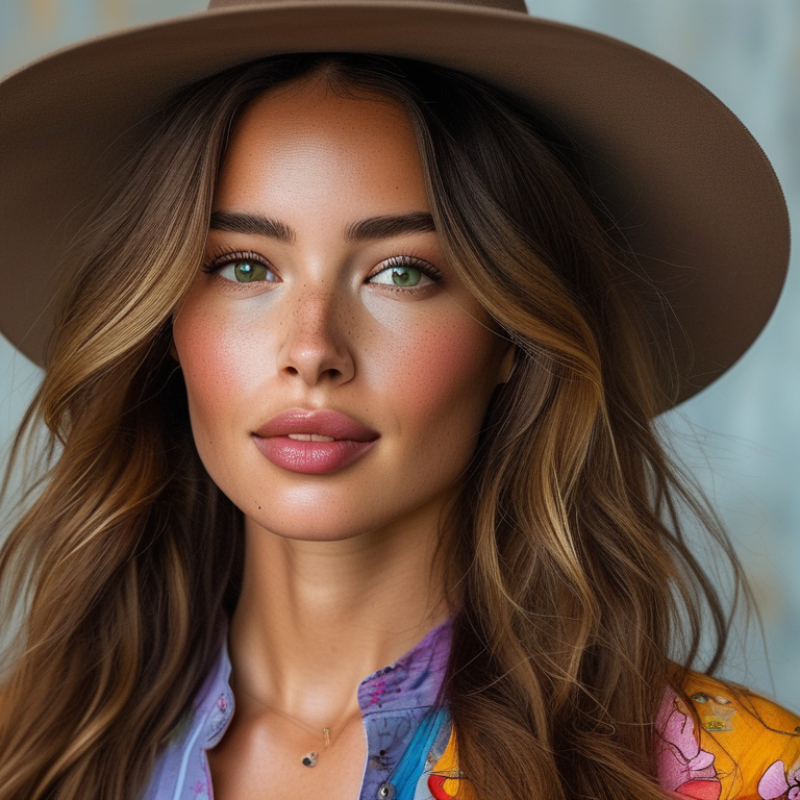
Understanding your skin tone is crucial for choosing outfits that enhance your natural beauty. Skin tones generally fall into three categories: warm, cool, and neutral. According to a report by the American Academy of Dermatology, about 80% of people can categorize themselves within these tones. This classification helps in selecting colors that either complement or contrast your complexion.
Warm skin tones often feature golden or yellow undertones. Earthy shades like olive, orange, and warm reds can be especially flattering. On the other hand, individuals with cool undertones may shine in jewel tones such as emerald, sapphire, and cool blues. A study from the Color Psychology Institute indicates that choosing colors aligned with your undertones can significantly improve self-perception and emotional well-being.
While neutral tones allow for more flexibility, they might also lead to confusion. Not everyone will easily identify as warm or cool. Mixing colors that slightly clash can add uniqueness to your style but can also challenge your fashion choices. Some people often struggle to find their best shades and may cycle through different styles without clarity. It's worth taking the time to explore and experiment, even if that journey sometimes feels imperfect.
Identifying your skin tone is crucial for making the right wardrobe choices. There are three primary tones: warm, cool, and neutral. To determine your skin tone, observe the veins on your wrist.
Blue or purple veins suggest a cool tone. Greenish veins indicate a warm tone. If you see a mix, you likely have a neutral tone.
Tips for warm-toned individuals: Earthy colors like orange, yellow, and olive green complement you well. Gold jewelry enhances your natural glow. If you find your skin looks sallow in certain shades, reconsider your choices.
For cool tones: jewel tones such as blue, purple, and emerald work wonders. Silver jewelry can add a touch of elegance to your outfits. Experiment with different shades to find what truly resonates with your complexion. If a color feels off, don’t hesitate to swap it out for another.
Neutral skin tones have the luxury of versatility. Both warm and cool shades can look good. However, some colors might wash you out. Pay attention to your reaction to colors in various lighting. This will help refine your picks. Embrace the process of discovery; it might take time to find what suits you best.
Understanding the colors that suit your skin tone can elevate your wardrobe significantly. According to the Pantone Color Institute, colors that complement your natural skin tone enhance your overall appearance. For instance, individuals with warm undertones often shine in earthy shades such as camel and olive. In contrast, those with cooler undertones may find that jewel tones, like emerald or sapphire, provide a nice contrast.
A study published in the Journal of Fashion Theory reveals that color choices can influence perceptions of attractiveness. Participants rated images based on color harmony with the subject’s skin tone. The findings indicated a strong preference for contrasting colors. This means that even if you adore certain shades, they may not always be the best choice. Experimenting with different palettes can be enlightening, yet it may also lead to surprising missteps.
With seasonal shifts, your skin tone may change subtly, making it crucial to reassess your color palette regularly. Some people overlook this part. Seasonal colors can enhance your appearances dramatically. For example, as your skin tans in summer, you might find that you can wear brighter colors more effectively. It's not simply about personal preference; it's about finding the balance that works for you.
Understanding your skin tone is crucial for making the right outfit choices. According to a study by the Color Psychology Institute, individuals who dress in colors that complement their skin tone report feeling more confident. This boosts their overall appearance and social interactions.
When selecting colors, consider your skin's undertones. Cool undertones often look great in jewel tones, like sapphire and emerald. Warm undertones shine in earthy shades, such as orange and warm reds. Research from the Fashion Institute of Technology shows that wearing the right color can enhance your facial features and create a cohesive look.
Experimenting with combinations is key. You might find that a pop of color in accessories complements your outfit nicely. However, it’s an ongoing process. You may try a combination that feels off or doesn't flatter. This trial and error is part of developing your personal style. Your wardrobe should reflect not just trends, but what makes you feel good. Embrace the process of discovering what works for you over time.
Finding the right colors for your skin tone can be a game-changer when selecting outfits. Each season offers unique palettes that can perfectly complement your natural hues. In spring, soft pastels like blush pink and mint green can brighten up your look. These shades enhance warm undertones beautifully. They evoke freshness, making them ideal for the season. For those with cooler undertones, try light blues or lavender. These shades can breathe life into your closet.
Moving into summer, bolder colors reign. Vibrant shades of coral and turquoise bring energy. They create stunning contrasts against sun-kissed skin. If you have a deeper complexion, opt for bright jewel tones like emerald or royal blue. On the other hand, if you realize that certain colors wash you out, reflect on your choices. The goal is to feel confident and vibrant in every outfit.
Autumn invites rich earth tones. Warm oranges, deep reds, and mustard yellows harmonize beautifully with various skin tones. Seek out flattering shades to enhance your features. However, not every tone will suit everyone. Experimenting can lead to surprises. Sometimes, the shades we gravitate towards don’t necessarily align with who we are. Embrace the journey of discovery in your wardrobe!
: Skin tones are usually classified as warm, cool, or neutral.
Earthy shades like olive, orange, and warm reds look great on warm skin tones.
Jewel tones such as emerald, sapphire, and cool blues work well with cool undertones.
Neutral tones allow for flexibility but can create confusion in selecting colors.
Yes, mixing clashing colors can add uniqueness but might challenge your fashion choices.
Soft pastels like blush pink and mint green enhance warm undertones in spring.
Vibrant shades of coral, turquoise, or bright jewel tones like emerald suit deeper complexions.
Rich earth tones like warm oranges and deep reds harmonize beautifully with various skin tones.
Reflect on your choices and find colors that enhance your confidence.
Yes, experimenting can lead to surprising discoveries about your personal style.
In the quest to discover what colors look best for my skin tone outfits, understanding the basics of skin tones and undertones is crucial. Each individual's skin can be categorized as warm, cool, or neutral, which influences the selection of colors that will enhance their natural complexion. Identifying one's skin tone allows for a more strategic approach to choosing outfits that not only look flattering but also reflect personal style.
Once you’ve identified your skin tone, you can explore tailored color palettes that complement your unique complexion. Incorporating colors effectively into outfits involves knowing how to combine shades that harmonize with your skin tone. Additionally, staying attuned to seasonal trends can help adapt color choices throughout the year, ensuring that your wardrobe remains fresh and in alignment with your skin’s natural hues.

Faber Fashion